




Radically Shortening the Food Chain
The average American meal travels about 1,500 miles to get to your plate. This vast, complex system is efficient in good times but incredibly fragile. A single disruption—a fuel crisis, a major storm, a pandemic—can lead to empty shelves and rising prices.
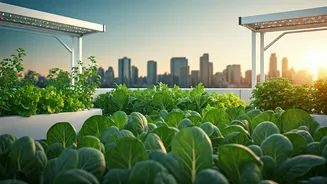
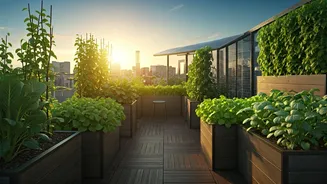
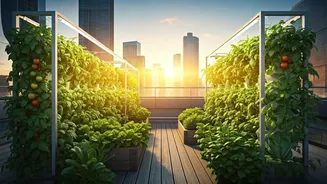
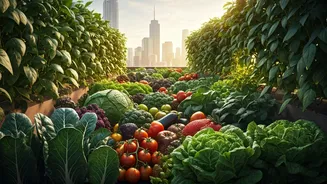
Urban agriculture fundamentally short-circuits this vulnerability by bringing food production directly to consumers. When your salad greens are grown in a vertical farm downtown or your tomatoes come from a rooftop garden in your neighborhood, the supply chain shrinks from thousands of miles to just a few blocks. This hyperlocal model not only ensures a steadier supply of fresh produce but also reduces our reliance on long-haul transportation, cutting down on fossil fuel consumption and carbon emissions. The result is food that is fresher, more nutrient-dense, and has a much smaller environmental footprint.
Farming Up, Not Out
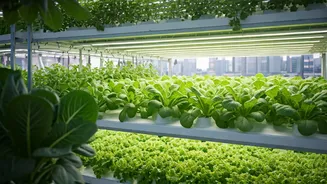
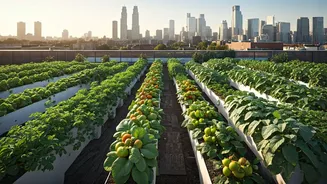
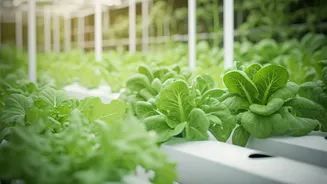
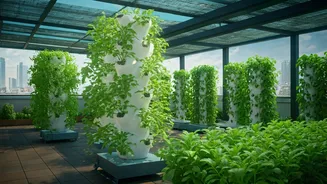
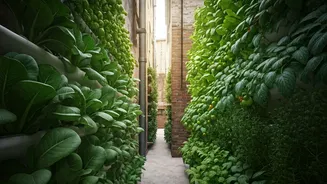
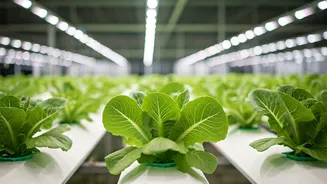
One of the most powerful arguments for urban agriculture is its incredible efficiency with land and resources. In a world with a growing population and shrinking arable land, traditional farming’s spatial demands are a major challenge. Urban farming offers innovative solutions. Vertical farms, for instance, stack crops in climate-controlled layers inside buildings, producing massive yields in a footprint that would be impossibly small for a conventional farm. Similarly, hydroponic and aquaponic systems grow plants without soil, using nutrient-rich water. These methods can use up to 95% less water than traditional agriculture, a game-changing advantage in drought-prone regions. By repurposing abandoned warehouses, rooftops, and vacant lots, cities can become productive agricultural landscapes without clearing a single new acre of forest.
Fighting Food Deserts and Building Community
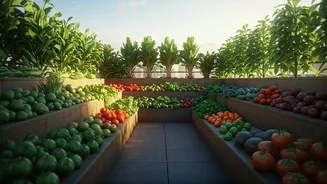
Beyond logistics and technology, urban agriculture has a profound social impact. Millions of Americans live in “food deserts,” neighborhoods without easy access to affordable, fresh, and healthy food. Community gardens, urban farms, and local farmers' markets can directly combat this inequity by providing residents with nutritious options right where they live. These projects do more than just grow food; they cultivate community. They become gathering places, outdoor classrooms, and sources of local pride. They create green-collar jobs in everything from farm management and technology to sales and distribution. By empowering residents to participate in their own food system, urban agriculture fosters a sense of ownership, connection, and collective resilience that strengthens the social fabric of a city.
Greening the Concrete Jungle
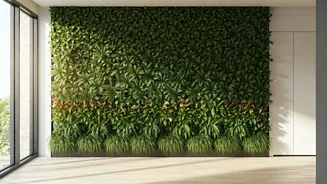
The benefits of integrating agriculture into cityscapes extend to the urban environment itself. Green roofs and community gardens help mitigate the “urban heat island” effect, where concrete and asphalt absorb and radiate heat, making cities significantly warmer than surrounding rural areas. Plant life cools the air through evapotranspiration. Permeable soil in gardens and farms can also absorb stormwater runoff, reducing the strain on municipal sewer systems and preventing pollutants from washing into local waterways. These green spaces also create vital habitats for pollinators like bees and butterflies, which are essential for broader ecosystem health. In essence, urban farms act as green infrastructure, making cities more livable, breathable, and ecologically balanced.