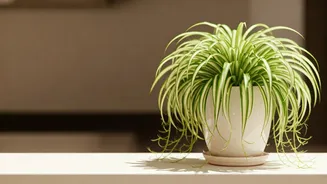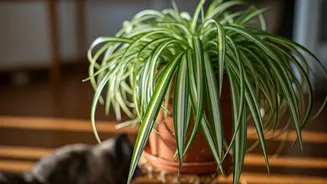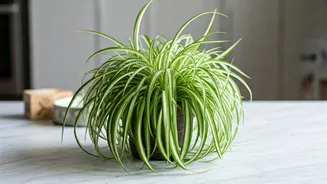




The Pet-Safety Promise
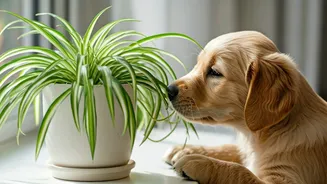
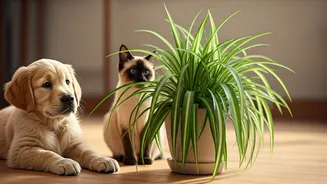
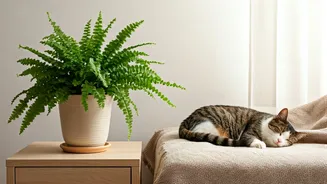
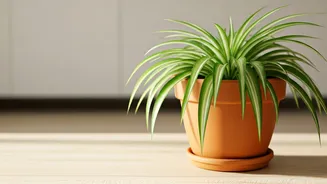
The number one concern for plant-loving pet owners is toxicity. One nibble of the wrong leaf can lead to an emergency vet visit. This is where the spider plant (Chlorophytum comosum) truly earns its heroic cape. The American Society for the Prevention
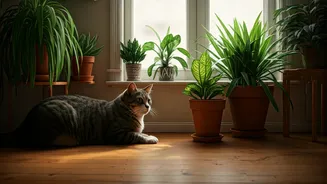
of Cruelty to Animals (ASPCA) lists it as non-toxic to both cats and dogs. This means if your kitten decides to bat at and chew on one of its dangling leaves, or your puppy takes a curious bite, you don’t have to panic. It’s important to note that while non-toxic, the plant isn’t a food source. Consuming a large amount of any plant matter can cause mild gastrointestinal upset like vomiting or diarrhea, so it’s still wise to place it slightly out of reach if you have a particularly persistent chewer. Some cats are also mildly attracted to it due to its slightly hallucinogenic effect (similar to, but much weaker than, catnip), which explains why they might seek it out. Still, in the world of houseplants, 'causes minor tummy ache if eaten like a salad' is a massive win over 'is a deadly poison.'
An Icon of Resilience
A hero doesn’t just show up; it endures. The spider plant is the definition of a low-maintenance companion, making it perfect for beginners and self-proclaimed 'black thumbs.' Forgetful waterer? The spider plant’s thick, tuberous roots store water, making it surprisingly drought-tolerant. It will forgive you for a week (or two) of neglect. Cursed with a low-light apartment? While it prefers bright, indirect light, it will happily survive in shadier corners, though its variegation might fade. It thrives in a wide range of household temperatures and humidity levels, asking for little more than a pot to call home. This toughness is its superpower. In a busy world, the spider plant doesn’t add to your to-do list. It simply exists, quietly greening your space, asking for almost nothing in return.
The Air-Purifying Legend
You’ve probably heard the claim: spider plants clean the air. This idea comes from a famous 1989 NASA Clean Air Study, which found that spider plants could remove formaldehyde and other volatile organic compounds (VOCs) from a sealed chamber. This is a heroic feat, to be sure. However, it’s important to contextualize this legend. The NASA study was conducted in a small, airtight environment—nothing like your drafty living room. Modern research suggests you would need a literal jungle of spider plants (upwards of 10 per square foot) to replicate that effect in a typical home. Your HVAC system and simply opening a window are infinitely more effective at cleaning the air. So, while it’s not a substitute for a HEPA filter, the psychological benefit of having vibrant, living greenery in your home is undeniable. Its 'air-purifying' reputation is more of a charming myth than a practical reality, but its mood-boosting presence is 100% real.
The Plant That Keeps on Giving
A true hero creates more heroes. One of the most delightful traits of a happy spider plant is its habit of sending out long stems, or “stolons,” which then grow tiny baby plants, or “spiderettes,” at their ends. These little plantlets are a perfect miniature of the parent. This isn't just charming; it's an invitation to propagate. Once a spiderette develops small roots of its own, you can snip it off and place it in a small glass of water or plant it directly in soil. In a few weeks, you have a brand-new spider plant. It’s an endlessly renewable source of gifts for friends, family, or coworkers. A plant that makes more of itself to share is a special kind of generous, turning one affordable purchase into a dozen green additions to your life and the lives of others.