




The Mango All Other Mangoes Envy
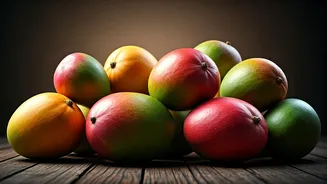
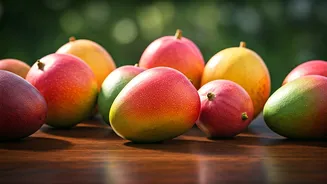
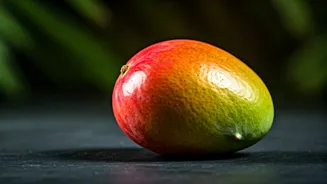
Before we get into the bureaucracy, let's talk about the fruit itself. We’re not talking about the large, sturdy red-and-green mangoes that populate most American supermarkets year-round. Those are typically Tommy Atkins mangoes, grown in Mexico or Peru,
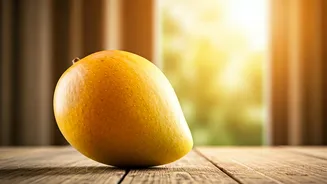
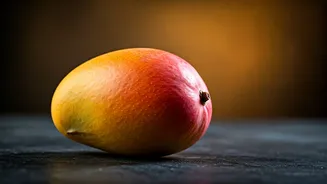
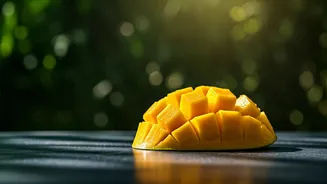
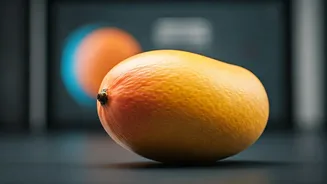
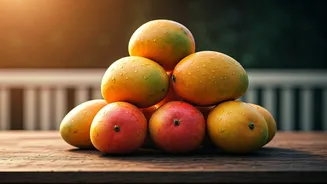
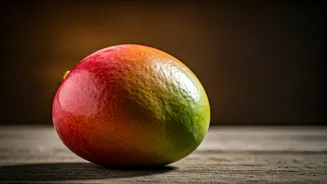
valued for their long shelf life and ability to withstand cross-continental shipping. Indian mangoes, particularly prized varieties like the Alphonso (or 'Hapus') and the Kesar, are a different beast entirely. They are smaller, with a thinner, more delicate skin that blushes from green to a golden saffron yellow. The real magic, however, is inside. Their flesh is completely fiberless, melting on the tongue like a sorbet. The flavor is a complex explosion of honey, citrus, and a floral perfume that has no parallel in the fruit world. For many Indians and members of the diaspora, the taste of an Alphonso is the taste of home, of childhood summers, and of pure, unadulterated bliss. This isn't just a fruit; it's a cultural icon and a seasonal obsession.
What is the 'Passport Stamp'?
This is where the story gets interesting. Because of their delicate nature and the risk of introducing invasive pests like fruit flies, Indian mangoes were banned from the U.S. for years. In 2007, a deal was struck, but with a major condition. Before being cleared for export, every single mango bound for the United States must undergo a process called irradiation. This is the 'passport stamp.' The process happens on Indian soil, under the watchful eye of inspectors from the U.S. Department of Agriculture (USDA). The mangoes are taken to a special facility where they are exposed to a low dose of radiation. This isn't science fiction; it’s a globally accepted phytosanitary measure that effectively sterilizes any potential pests without making the fruit radioactive or harming its taste. Once a batch successfully completes the process and passes inspection, it gets the green light—its official clearance—to be boxed up and flown to America. It's a stamp of approval that certifies the fruit is safe to enter the country, much like a traveler’s passport gets stamped at immigration.
A History of Scarcity and Desire
The annual arrival of these mangoes is an event precisely because it’s never a guarantee. The entire system relies on a delicate chain of cooperation. The pre-clearance program requires USDA inspectors to be physically present in India during the mango season (typically March to June). This fragile arrangement was completely upended during the COVID-19 pandemic. With international travel halted, no inspectors could get to India, and for a couple of agonizing seasons, no mangoes could get to the U.S. The outcry from fans was palpable. This recent history of absence has only intensified the desire for the fruit. When the program was reinstated, it was met with a collective sigh of relief. Grocers who specialize in the fruit start waiting lists weeks in advance, and the first shipments are announced on social media with the fanfare of a rock star's tour dates. This isn’t just a transaction; it's the culmination of a year of waiting and a decade of diplomacy.
Finding Gold in the Grocery Aisle
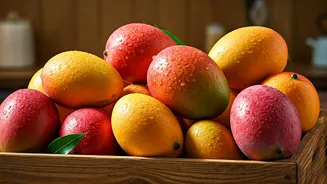
So, you’re intrigued. Where can you find these legendary mangoes? Don't expect to see a pyramid of Alphonsos at your local chain supermarket. Their short shelf life and high cost make them a specialty item. Your best bet is to head to a well-stocked Indian or South Asian grocery store between late April and early July. Be prepared for sticker shock; a box of these mangoes can cost significantly more than their year-round counterparts, but connoisseurs will tell you it's worth it. When you find them, look for fruit that is fragrant and yields slightly to gentle pressure. The skin should be mostly yellow or orange, though some green is fine as they ripen on the counter. The ultimate test is the smell. A ripe Indian mango should fill the room with an intoxicating, sweet perfume. That's how you know you’ve found the real deal—a fruit so special it needed its own passport to get to you.