



A Flavor That Defines a Celebration
In Assam, a northeastern state in India known for its lush tea plantations and wild silk, festivals are the lifeblood of the community. Events like the Rongali Bihu, the springtime festival celebrating the Assamese New Year, are sprawling, multi-day affairs.
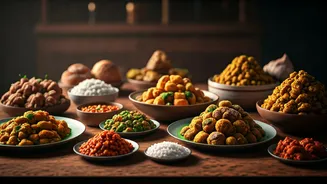
They are a sensory overload in the best possible way—filled with the hypnotic sounds of the dhol drum, the graceful movements of Bihu dancers, and a profound sense of communal joy. But to truly understand the soul of the celebration, you have to follow your nose to the food stalls. Amidst the vast array of culinary offerings, one dish consistently captures the spotlight: Ou Khatta. It’s more than just food; it’s a taste of home, a nostalgic marker of festival season. At these mega-fests, where thousands gather, lines form for this beloved sweet-and-sour chutney. It serves as the perfect, palate-cleansing accompaniment to richer dishes, cutting through the fat and spice with a bright, tangy kick that locals crave and visitors find unforgettable.
Decoding the Tangy Star
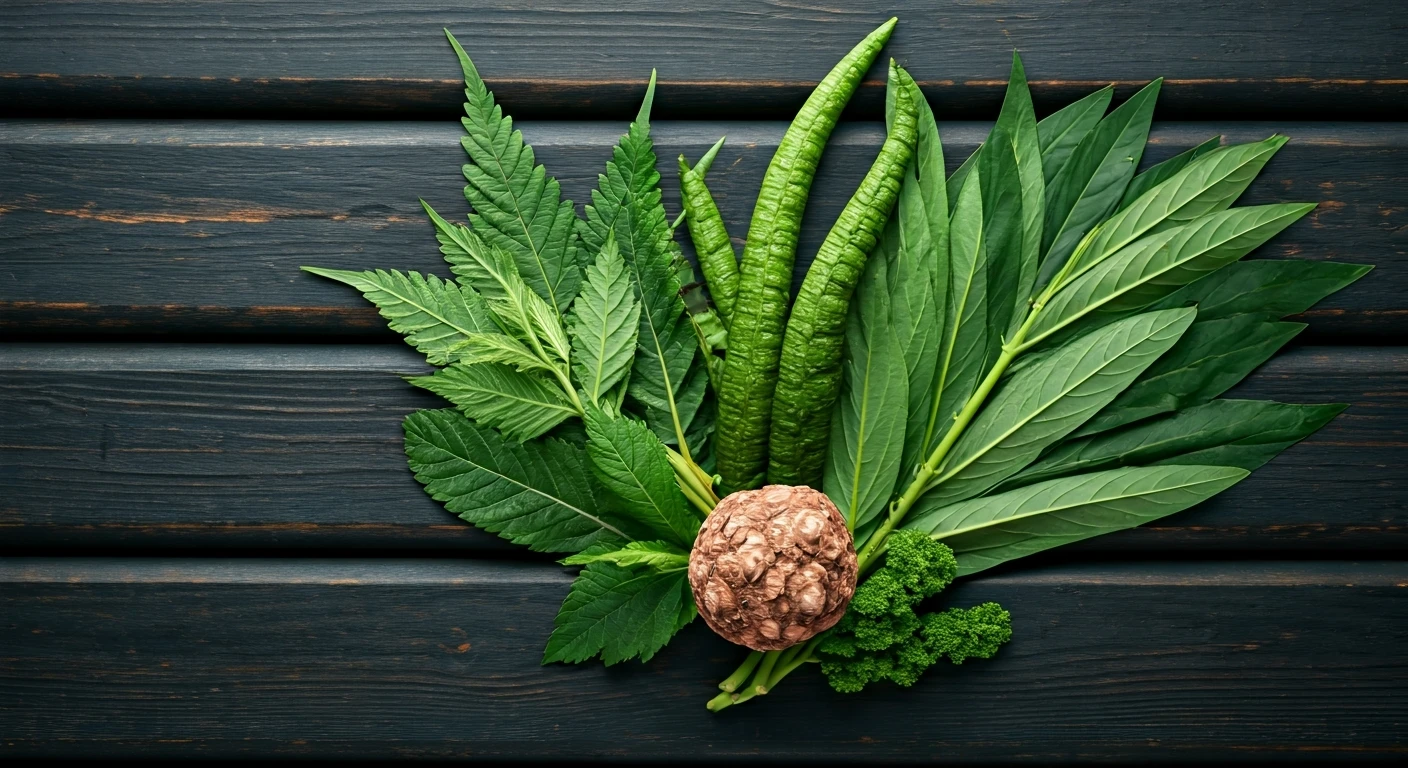
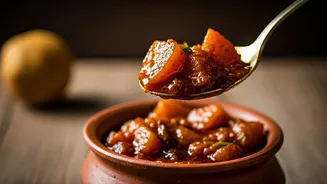
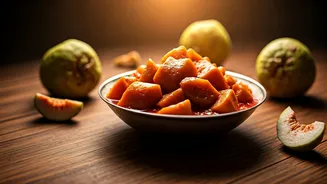
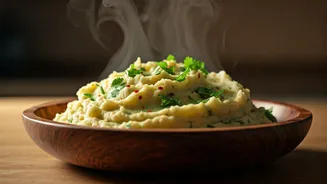
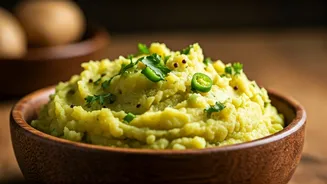
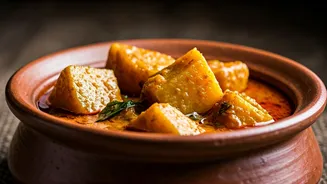
So, what is this celebrated dish? The name itself is a simple descriptor. In Assamese, “Ou” is the local word for elephant apple, and “Khatta” means sour or tangy. At its core, Ou Khatta is a relish or chutney made from simmering chunks of elephant apple with a careful balance of spices. But this simple description belies its complex flavor profile. The preparation is an art. The elephant apple, which has a firm, slightly fibrous texture, is cooked down until tender. It’s typically sweetened with jaggery (an unrefined cane sugar with a molasses-like taste) and spiced with mustard seeds, which are often popped in hot oil to release their pungent aroma. A pinch of chili adds a gentle warmth, not an overwhelming heat. The final product is a symphony of tastes: it starts sour, gives way to a rustic sweetness, and finishes with a subtle, savory pungency from the mustard. For an American palate, it’s like discovering a new dimension beyond the familiar sweet-and-sour—think of a more earthy and complex cousin to a green apple or tamarind chutney.
The Humble Elephant Apple
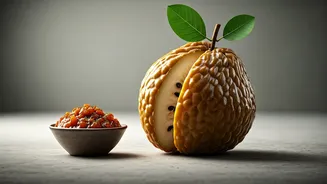
The star ingredient, the Ou or elephant apple (*Dillenia indica*), is a fascinating fruit in its own right. Native to Southeast Asia, it grows on a semi-deciduous tree and looks like a large, hard, greenish-yellow globe. It gets its name because it’s a favorite snack for Asian elephants, who help disperse its seeds. Unlike a typical apple, you can’t just bite into it. Its tough exterior hides fleshy, petal-like sepals layered around a gelatinous core. In Assam, the elephant apple is a cornerstone of the traditional pantry. It’s cherished for its uniquely sour flavor, which is a key component of Assamese cuisine’s signature “tenga,” or sour dishes. These sour curries and chutneys are not just delicious; they are considered essential for digestion and for balancing a meal, especially one rich in rice and fish. The fruit is also used in traditional medicine, valued for properties believed to help with everything from stomach ailments to joint pain, adding another layer to its cultural importance.
A Taste of Assamese Identity
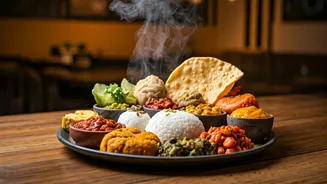
While Ou Khatta shines brightest during festivals, it’s a year-round staple in Assamese households. It represents a core philosophy of the region’s cooking: using local, seasonal, and foraged ingredients to their fullest potential. Assamese thalis (platters featuring a variety of small dishes) are built on a delicate balance of flavors, most notably “khar” (alkaline preparations) and “tenga” (sour ones). Ou Khatta is the quintessential tenga, providing the acidic counterpoint that makes the entire meal feel complete and harmonious. By taking center stage at a major festival, the dish serves as a proud ambassador for this culinary heritage. It’s a way of celebrating and preserving a distinct food identity in a rapidly globalizing world. For the younger generation, it’s a taste of their grandmother’s cooking; for outsiders, it’s a delicious gateway into the heart of Assam.