


The Undisputed Reign of Lassi
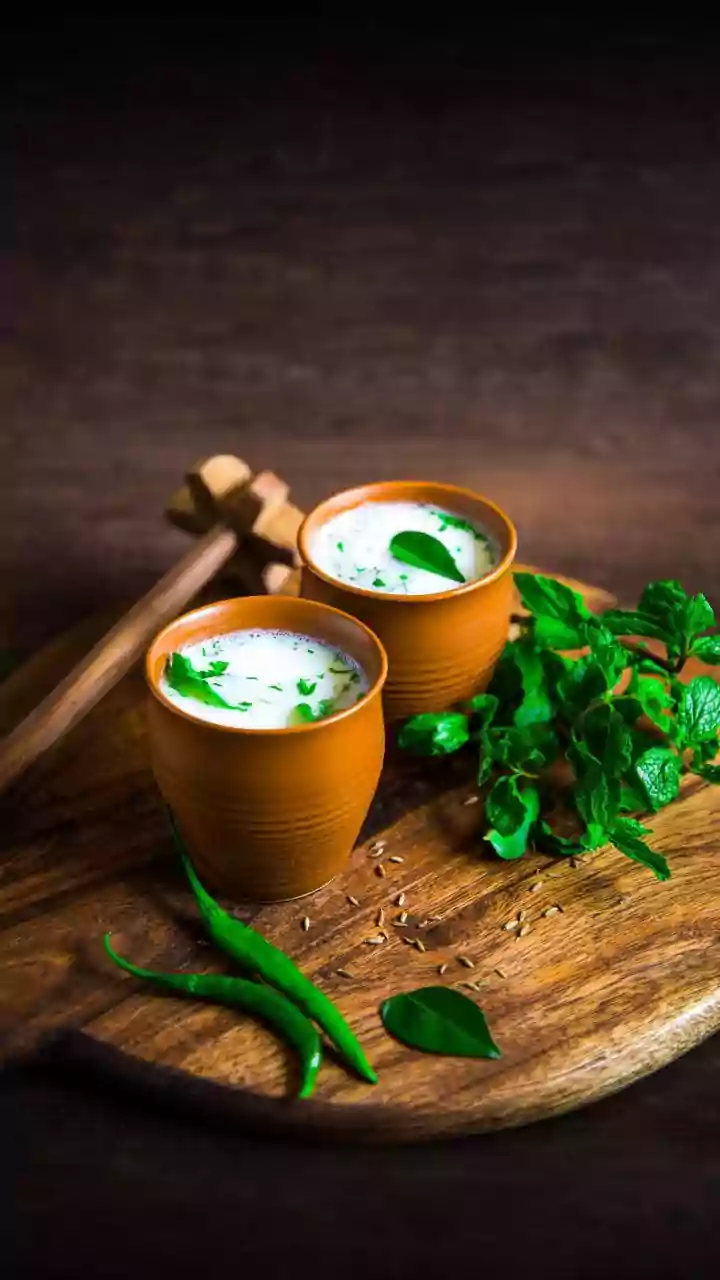
Let’s be clear: there is nothing wrong with a mango lassi. On a hot day, that frosty blend of ripe mango pulp, creamy yogurt, and a touch of sugar is pure bliss. It’s the perfect fire extinguisher for a spicy vindaloo and a familiar gateway for anyone
dipping their toes into the vast ocean of Indian cuisine. For decades, it has been the default mango offering at most Indian-American restaurants, a sweet, dependable beverage that rarely disappoints. But its very ubiquity is what can lead to a certain… predictability. It’s the safe choice, the one you know. It’s the culinary equivalent of ordering a vanilla latte when a world of cardamom-spiced espresso and cascara cold brew awaits. If you’ve ever felt a pang of curiosity while scanning a menu, wondering what other magic can be worked with the king of fruits, you’re ready for a new chapter.
Meet Mango Rasam: A Different Beast Entirely
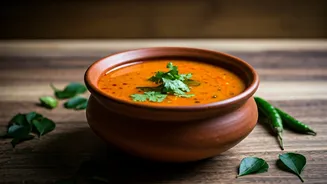
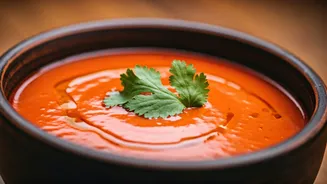
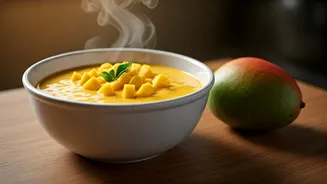
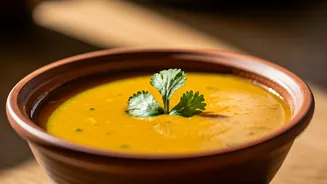
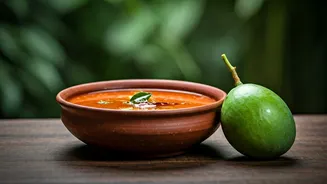
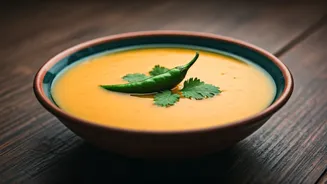
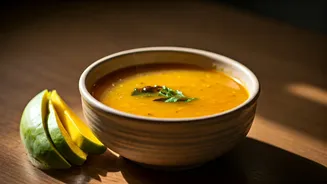
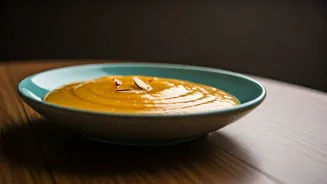
First, let’s manage expectations. While they share a star ingredient, comparing mango lassi to mango rasam is like comparing a milkshake to a gazpacho. They exist in different culinary universes. Mango rasam is not a drink; it's a warm, savory-sweet-sour soup or thin curry, hailing from South India, particularly the state of Kerala where it’s often known as Mambazha Pulissery. Rasam itself is a broad category of soupy dishes built on a tamarind or tomato base with spices. A mango rasam, however, often uses yogurt for its sour tang, creating a beautiful push-and-pull with the sweetness of the ripe mangoes. It’s thin, aromatic, and designed to be eaten as part of a larger meal, typically ladled over steamed rice. It’s not a standalone beverage but a key player in a symphony of flavors.
A Collision of Unexpected Flavors
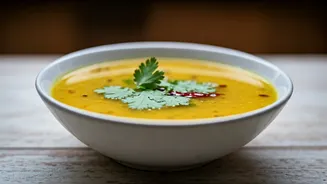
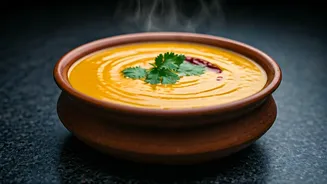
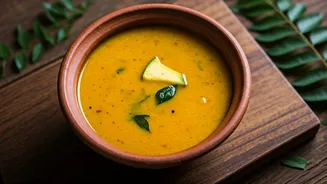
The flavor profile is where mango rasam truly shines and sets itself apart. While a lassi is a straightforward duet of sweet mango and tangy yogurt, the rasam is a full-blown ensemble. The foundation is the deep, floral sweetness of ripe mango chunks, which soften as they simmer. This sweetness is immediately challenged by the sourness of the yogurt or tamarind. Then come the aromatics. A tempering of hot oil or ghee is used to sizzle mustard seeds until they pop, along with fragrant curry leaves, dried red chiles for a whisper of heat, and perhaps a pinch of fenugreek or turmeric. Many recipes also incorporate a paste of ground coconut and cumin, adding a nutty, earthy depth and a bit of body. The result is a vibrant, golden liquid that hits every note: sweet, sour, spicy, and savory, all in a single spoonful. It’s complex, surprising, and profoundly satisfying in a way a simple sweet drink can never be.
How to Find Your New Favorite Dish
You're unlikely to find mango rasam at your standard North Indian buffet. Your best bet is to seek out a restaurant specializing in South Indian or specifically Keralite cuisine. Scan the menu for curries or vegetarian specialties. Look for the name Mambazha Pulissery or Manga Pulissery. If you don't see it, don't be afraid to ask if they have a seasonal sweet and sour mango curry. Alternatively, you can make it at home. The process is surprisingly straightforward. It involves simmering ripe mango chunks with turmeric and chili powder, blending a separate mixture of yogurt and coconut into a smooth paste, and combining them gently without boiling. The final, crucial step is the tadka or tempering—blooming the spices in hot oil and pouring them over the finished soup. Served warm over rice, it’s a show-stopping main or side dish that feels both comforting and completely new.