





A New Tourism Superpower Emerges
For decades, the stereotypical global tourist in many American minds was either European, Japanese, or, more recently, Chinese. It’s time to update that picture. India is rapidly becoming the world's next great source of outbound travelers, a demographic
shift poised to redefine tourist economies from Southeast Asia to Europe. Fueled by a massive and youthful population, a burgeoning middle class with disposable income, and a post-pandemic hunger for new experiences, Indian travelers are venturing abroad in unprecedented numbers. Projections show Indian tourists are expected to spend over $42 billion a year by 2024. This isn’t just a trend; it's a fundamental rebalancing of the global travel market. And unlike the generations before them, their motivations are changing dramatically.
From the Eiffel Tower to Akihabara
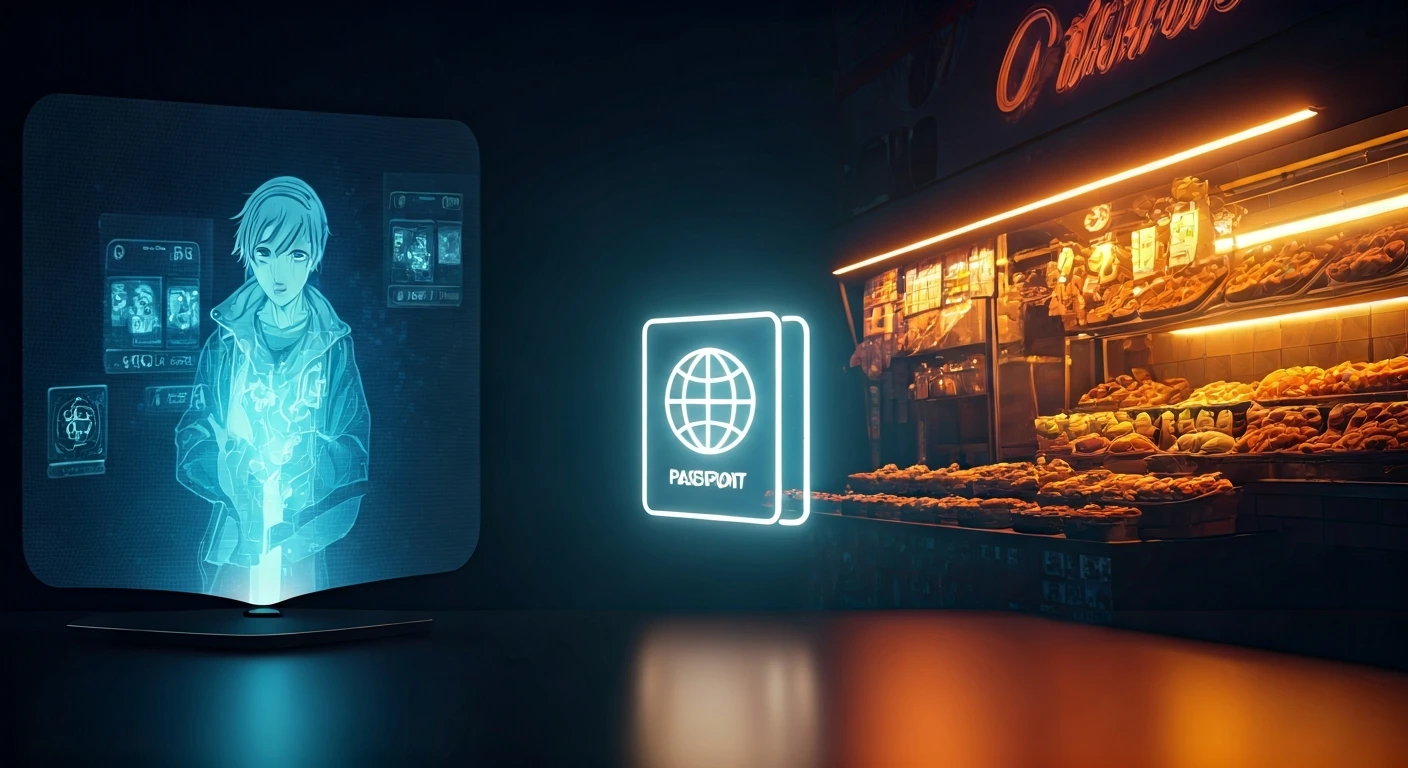
The classic “European Tour” or a trip to visit family in the U.S. or U.K. is no longer the default dream. Today’s younger, digitally-native Indian travelers are driven by pop culture and unique experiences. The demand for “anime” is a perfect symbol of this shift. Instead of just Paris, they want to explore Tokyo’s Akihabara district, the electric heart of anime and manga culture. This isn’t just a niche interest; it's a powerful driver. When Japan relaxed its visa requirements for Indians, travel platforms saw searches skyrocket. This trend extends beyond Japan, with the popularity of K-dramas and K-pop fueling similar interest in South Korea. This generation builds their itineraries from Instagram, YouTube, and Netflix, seeking to step into the worlds they see on their screens.
The Search for Authentic Flavor
The desire for “food streets” speaks to another core value: authenticity over sanitized, pre-packaged tourism. This isn't about finding a good Indian restaurant in London. It’s about diving headfirst into the local culinary scene—sampling street-side Pad Thai in Bangkok, slurping pho in a crowded Hanoi alley, or grabbing skewers from a market stall in Kuala Lumpur. This preference reveals a more confident and adventurous traveler. They aren't looking for a home away from home; they are seeking genuine, sensory immersion. For these travelers, a destination's reputation is built on the quality and accessibility of its street food, which they see as the most direct path to understanding a new culture. It's an experience that is both affordable and memorable, a key combination for this value-conscious but experience-hungry demographic.
The Ultimate Currency: Access
Of all the demands, “access” is the most critical and complex. It's the key that unlocks the other two. For Indian passport holders, who face cumbersome and often costly visa application processes for many Western countries, the word means everything. The single biggest factor driving destination choice right now is visa-free entry. Countries like Thailand, Malaysia, Sri Lanka, and Vietnam have recently waived visa requirements for Indian citizens, and the results were immediate and explosive. Travel bookings surged overnight, demonstrating that the desire to travel is enormous, but bureaucratic friction is a powerful deterrent. But access isn't just about visas. It's also digital. The increasing acceptance of India's Unified Payments Interface (UPI) in countries like France and the UAE is a huge draw, offering the convenience of seamless, familiar digital payments. In short, the easier a country makes it for Indians to arrive, pay, and explore, the more likely they are to come.