


1. The Cities Are Straight Out of a Fairy Tale
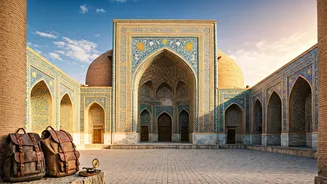
Uzbekistan’s main draw is its trio of legendary Silk Road cities, each a UNESCO World Heritage site that feels like stepping onto a movie set. First, there’s Samarkand, home to the magnificent Registan Square. Flanked by three colossal, turquoise-tiled
madrasas (Islamic schools), it’s one of the most breathtaking public squares in the world. Then you have Bukhara, a living museum where the ancient city center is a maze of winding alleys, bustling bazaars, and hundreds of protected historical buildings. It’s a place to get lost for days. Finally, there’s Khiva, a perfectly preserved walled city in the desert. Entering its gates feels like traveling back in time, with sand-colored ramparts enclosing a stunning collection of mosques, minarets, and palaces. These aren’t just ruins; they are vibrant centers of history you can walk through and experience firsthand.
2. Your Wallet Will Actually Thank You
In an era of skyrocketing travel costs, Uzbekistan remains refreshingly affordable. A bed in a clean, friendly, and often beautifully decorated hostel in Bukhara or Samarkand can cost as little as $10–$15 a night. A hearty and delicious meal of plov—the national dish of rice, tender meat, and vegetables—can be had for just a few dollars. Unlike many tourist-heavy destinations where every attraction comes with a steep price tag, entrance fees to Uzbekistan’s historic sites are exceptionally reasonable. You can explore a massive ancient fortress or a stunning mosque for the price of a coffee back home. This affordability means you can travel longer, experience more, and stress less about your budget, making it an ideal destination for backpackers looking to maximize their journey.
3. It's Surprisingly Easy to Get Around
The word “Uzbekistan” might conjure images of rugged, difficult travel, but the reality is surprisingly modern. Since opening up to tourism in recent years, the country has invested heavily in infrastructure. For U.S. citizens, travel is visa-free for up to 30 days, eliminating a once-cumbersome bureaucratic hurdle. More importantly, the main tourist cities of Tashkent, Samarkand, and Bukhara are connected by a sleek, efficient, high-speed train system called the Afrosiyob. Imagine gliding through the Central Asian landscape in a comfortable, modern train car, covering in a few hours what once took merchants on the Silk Road weeks. This network makes independent travel not just possible, but genuinely easy and enjoyable.
4. The Hospitality is Legendary
While the architecture is stunning, it’s the warmth of the Uzbek people that often leaves the most lasting impression on travelers. There is a deep-rooted culture of hospitality, and it’s common for locals to strike up a conversation, offer you tea, or help you find your way without expecting anything in return. In a world saturated with tourist traps and scams, this genuine curiosity and friendliness is a profound experience. Staying in family-run guesthouses, shopping in local markets, and sharing a meal are fantastic ways to connect with this welcoming spirit. It’s a side of travel that’s becoming harder to find, and Uzbekistan has it in abundance.
5. It's the Antidote to Over-Tourism
If you’re tired of jostling for a photo in front of the Eiffel Tower or waiting in line for an hour at the Colosseum, Uzbekistan is the answer. While tourism is growing, it’s still far from being overrun. You can wander through ancient courtyards and find yourself completely alone, soaking in centuries of history in peace. There's a palpable sense of discovery here—a feeling that you’re witnessing something special before the rest of the world catches on. It offers the perfect balance: enough infrastructure to be comfortable, but not so much that it has lost its authentic soul. This is adventure travel for the 21st century, where the thrill comes from cultural immersion, not just conquering a difficult journey.