







The Science of a Beloved Scent
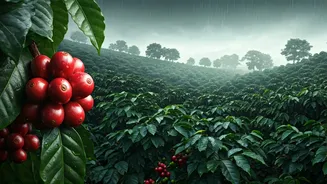
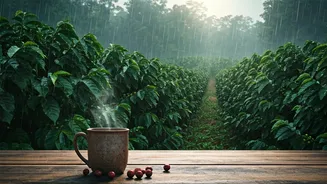
You already know the smell, even if you don’t know its name. It’s that clean, earthy fragrance that rises after a long-awaited downpour. Scientists coined a term for it in the 1960s: petrichor. It’s a combination of two key elements. First are airborne
oils released from plants, which accumulate on surfaces like rocks and soil during dry periods. When raindrops hit the ground, they trap tiny air bubbles that then shoot upwards, carrying these aromatic compounds into the air like a natural aerosol. The second, and perhaps most powerful, component is a chemical called geosmin. Produced by soil-dwelling bacteria, geosmin has an intensely earthy aroma that human noses are exceptionally sensitive to. We can detect it at concentrations as low as a few parts per trillion—it’s the scent of damp earth, of life-giving water meeting thirsty ground.
Why Coffee Farms Smell Different
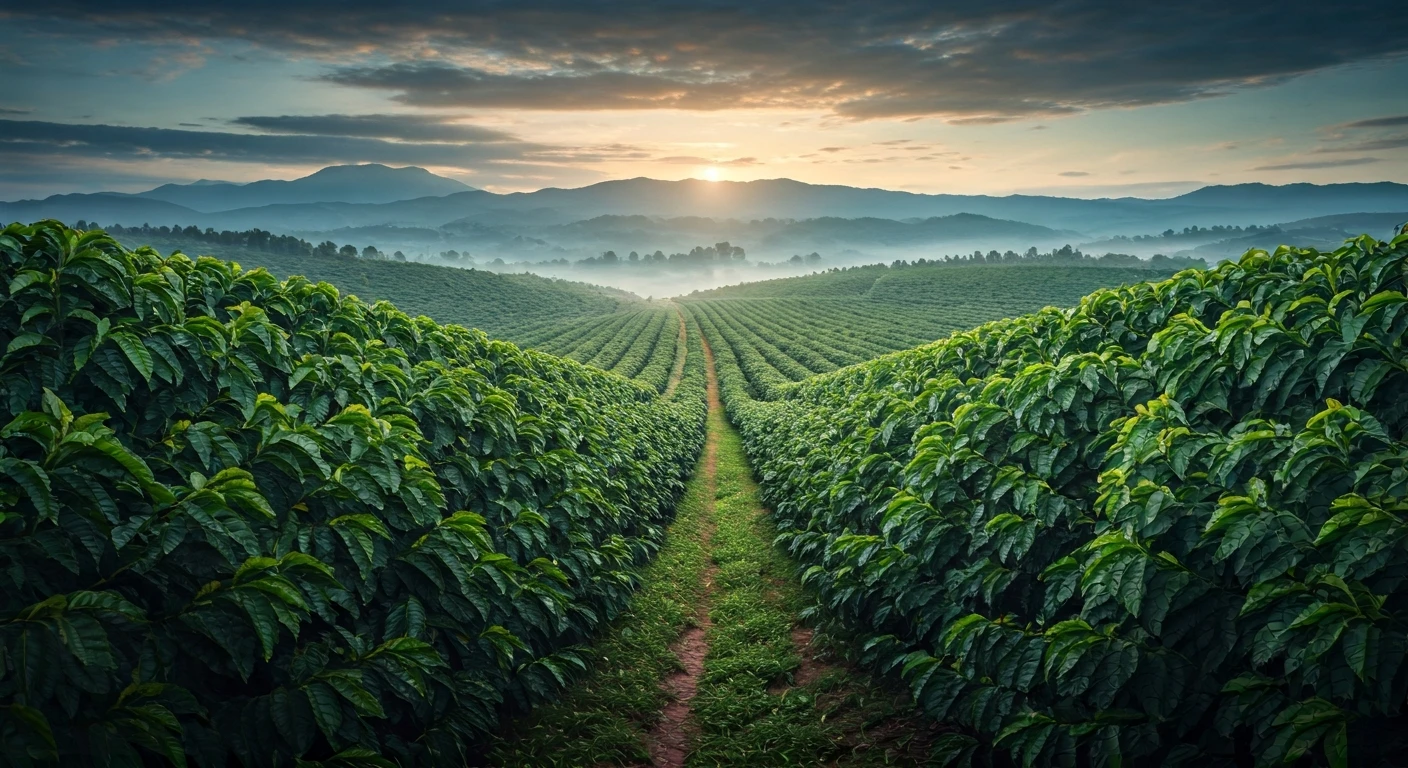
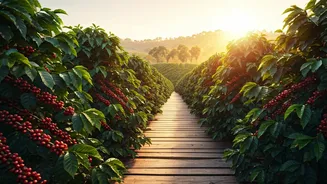
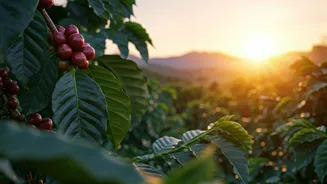
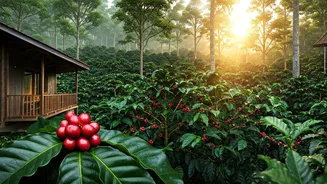
But what happens on a coffee estate isn’t just standard petrichor. It’s a symphony. Coffee farms, especially high-quality specialty ones, are complex ecosystems. The coffee plants themselves are often grown under a canopy of “shade trees” like citrus, banana, or nitrogen-fixing Inga trees. During a dry spell, the oils and fragrant compounds from all these plants settle onto the landscape. Then comes the rain. The air is suddenly perfumed not just with the baseline scent of damp earth, but with whispers of citrus blossom, the sweet greenness of banana leaves, and the unique terroir of the volcanic soil where coffee thrives. The altitude of many coffee regions—often between 3,000 and 6,000 feet—means the air is thinner and crisper. The post-rain humidity hangs differently, holding the complex bouquet of scents close to the ground, creating a dense, immersive aromatic experience. It’s the planet’s perfume, but with a complex top note of a functioning, biodiverse farm.
The Scent of Terroir
In the worlds of wine and coffee, “terroir” is the all-important concept that a place’s unique environment—its soil, climate, and topography—imparts a distinct character to the final product. The post-rain smell in a coffee estate is the purest expression of its terroir, made tangible and breathable. It’s the aromatic signature of that specific patch of Earth. The mineral tang of volcanic soil in Costa Rica’s Central Valley smells different from the rich, loamy earth of the Colombian Sierra Nevada. The scent that rises from the ground is a preview of the complex notes you’ll later find in your cup: the floral hints, the citrusy brightness, the deep, earthy body. Experiencing it firsthand is to understand, on a primal level, that coffee isn’t just a product; it’s a direct translation of a landscape.
Chasing the Rain-Kissed Bean
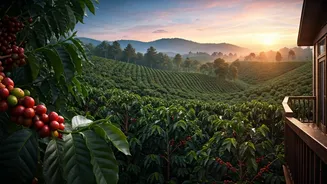
For the traveler or coffee aficionado, this experience represents a new kind of pilgrimage. It’s about more than just tasting the perfect espresso at its source. It’s about being present for the moment the landscape comes alive. Coffee tourism, or “origin trips,” offers a chance to walk these farms. In regions like Antigua, Guatemala, or the high-altitude farms of Nyeri, Kenya, the rainy season transforms the land. While many tourists aim for dry weather, visiting during the shoulder seasons—the beginning or end of the rains—offers the highest chance of witnessing this daily spectacle. It’s a sensory souvenir that can’t be bottled or bought. Standing on a mountainside, watching the clouds part and breathing in that impossibly fresh, complex air is to connect with the entire story of coffee, from soil to sip, in a single, unforgettable moment.