



A Valley Hidden in Plain Sight
Harsil isn't a secret to everyone. For millennia, Hindu pilgrims have passed through this valley in India’s northern state of Uttarakhand on their way to the sacred Gangotri glacier, the mythical source of the Ganges River. Yet, for the wider world, Harsil remains
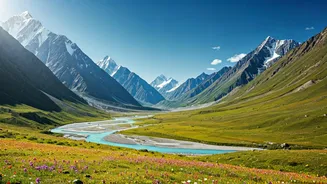
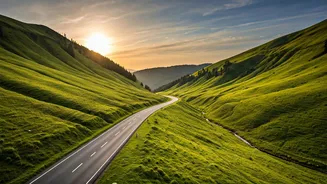
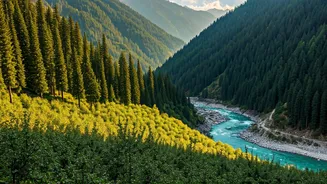
gloriously, peacefully anonymous. Nestled in a wide valley along the banks of the Bhagirathi River at an elevation of about 8,600 feet, it’s an alpine dream that defies the chaos often associated with popular mountain destinations. Part of its preserved charm comes from its history as an army cantonment area, a designation that limited construction and kept modern sprawl at bay. The result is a town that feels less developed and more discovered, a quiet pocket of serenity where the mountains, not the markets, command your attention.
The Scent of Apples and Cedar
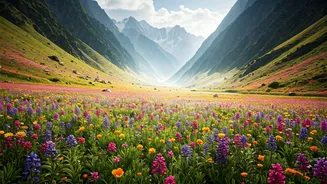
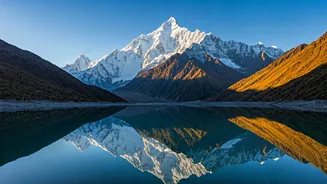
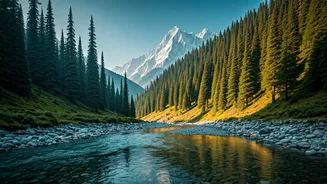
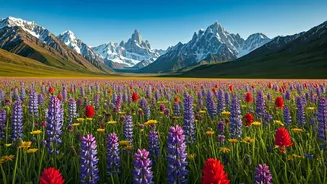
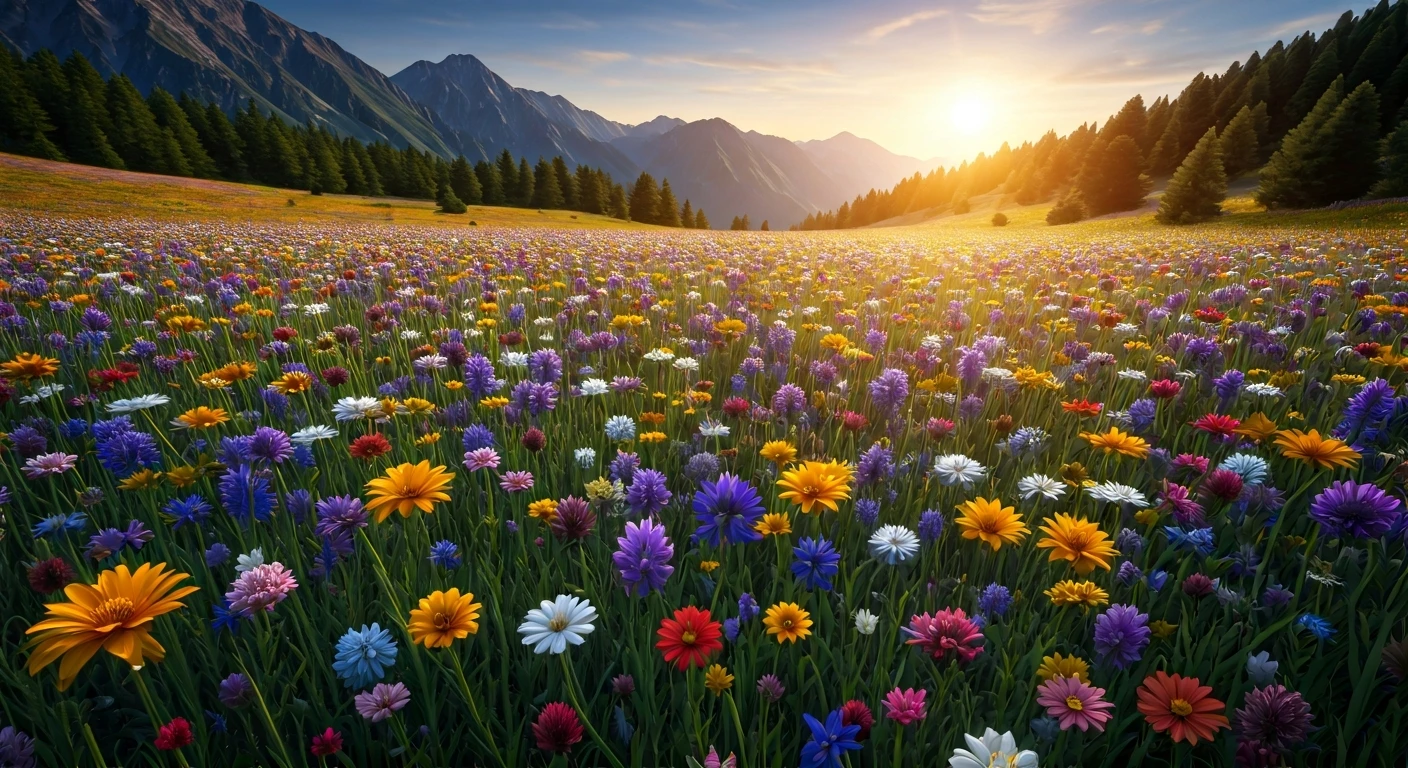
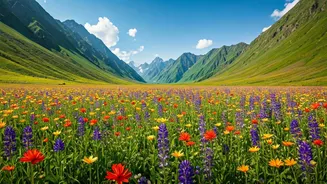
To walk through Harsil is to engage all your senses. The dominant fragrance is a mix of cool river air and the deep, earthy perfume of massive Deodar cedars, ancient trees that stand like silent guardians of the valley. But in the late summer and autumn, another scent takes over: the crisp, sweet aroma of apples. Harsil is famous for its apple orchards, first introduced by a British settler in the 19th century. These aren’t just any apples; they are a local legend, their flavor intensified by the high altitude and clean mountain water. Strolling through the village, you'll see wooden houses with slate roofs, small gardens bursting with vegetables, and grazing sheep that seem entirely unbothered by the occasional passerby. The landscape is a gentle one, with rolling meadows giving way to dense forests, all set against a dramatic backdrop of snow-dusted Himalayan peaks. It’s a place where you instinctively slow your pace to match the rhythm of the river.
Gateway to the Gods
While Harsil itself is a haven of tranquility, it serves as a crucial spiritual way station. It’s one of the last major settlements on the road to Gangotri, one of the four holy sites in the Chota Char Dham pilgrimage circuit. This proximity infuses the area with a palpable sense of devotion. You can feel a quiet reverence in the air, a sense of purpose that goes beyond simple tourism. Just a short drive from Harsil is the village of Mukhba, which serves as the winter home for the idol of the goddess Ganga. When the Gangotri temple closes for the harsh winter, the deity is carried down in a ceremonial procession to Mukhba, where she is worshipped until the spring thaw. This living tradition connects Harsil not just to a place, but to a cycle of faith and seasons that has endured for centuries, adding a profound layer of cultural depth to its natural beauty.
More Feeling Than Place
Ultimately, the “secret postcard” quality of Harsil is less about its specific sights and more about the feeling it evokes. It’s the experience of sitting on a riverside boulder, watching the turquoise water churn over smooth stones. It's the taste of a freshly picked apple, so juicy it drips down your chin. It’s the sight of the Milky Way splashed across an unpolluted night sky. In an era of over-tourism and Instagram-driven travel, Harsil offers an alternative: a chance to connect with a place on its own terms. There are no grand monuments here, no luxury shopping arcades. The attraction is the place itself—its stunning simplicity, its gentle pace, and the overwhelming feeling that you’ve stumbled upon one of the world’s last, best-kept secrets.