



Corn Cobs: Liquid Gold
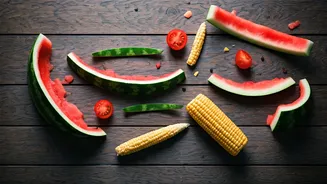
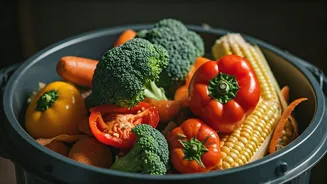
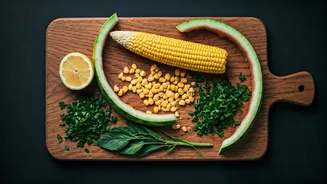
After you’ve shorn those sweet, juicy kernels from the cob for salads, salsas, and grilling, don’t just toss the cobs in the compost. Those seemingly barren cobs are packed with starchy, sweet corn flavor. Simmer them in a stockpot with water, a few peppercorns,
and a bay leaf for an hour to create a fragrant, golden corn broth. This “liquid gold” is a phenomenal base for summer chowders, creamy polenta, or cooking rice. It adds a subtle, sweet depth that plain water or even vegetable broth can't match. Freeze it in ice cube trays for easy access whenever a recipe needs a flavor boost.
Watermelon Rind: The Ultimate Pickle
The thick white rind of a watermelon, typically discarded without a second thought, is a blank canvas for pickling. Its firm, crisp texture holds up beautifully in a brine, transforming into a tangy, sweet, and surprisingly refreshing treat. A simple quick pickle involves simmering the rind (green skin removed) in a mixture of vinegar, sugar, water, and spices like cinnamon, cloves, and star anise until tender-crisp. Once cooled, they can be eaten on their own, chopped into a chicken or tuna salad for a surprising crunch, or served alongside rich, savory barbecue as a palate cleanser. It’s a classic Southern tradition that deserves a place in every modern kitchen.
Carrot & Beet Greens: Pesto and Beyond
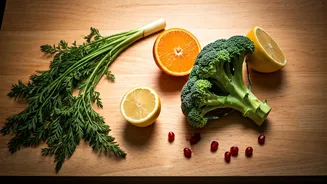
When you buy carrots or beets with their vibrant tops still attached, you’re getting a two-for-one deal. These leafy greens are not only edible but also delicious and packed with nutrients. Carrot tops have an earthy, parsley-like flavor perfect for blitzing into a pesto with garlic, nuts, olive oil, and parmesan. Beet greens are more like a robust chard or spinach; they are fantastic sautéed with a little garlic and olive oil or chopped and stirred into soups and stews. Just be sure to wash them thoroughly, as they can hold on to a fair bit of sandy soil.
Herb Stems: Flavor Infusions
Delicate herb leaves are prized, but their woody stems often end up in the trash. This is a huge loss of flavor. Tough stems from herbs like parsley, cilantro, and basil are intensely aromatic. You can save them in a bag in your freezer and add them to the pot when you’re making stock for a huge herbaceous boost. Another great use is to create an infused oil or vinegar. Simply bruise the stems slightly and drop them into a bottle of olive oil or white wine vinegar. Let it sit for a few days, and you'll have a custom-flavored finishing oil or a vibrant base for your next vinaigrette.
Stone Fruit Pits: Aromatic Infusions
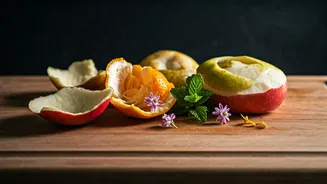
The pits from peaches, nectarines, and apricots hold a secret: a subtle, almond-like aroma reminiscent of marzipan. While you should never crack them open or eat them, using them whole to infuse liquids is a classic technique. After you’ve eaten the fruit, clean and dry the pits. You can drop a few into a jar of vinegar to create a uniquely nutty-smelling peach pit vinegar, perfect for salad dressings. Or, try making a traditional Italian-style liqueur by steeping them in vodka with a bit of sugar. It’s a patient project that pays off with a complex, flavorful spirit you can’t buy at the store.
Zucchini Ends & Peelings: The Savory Base
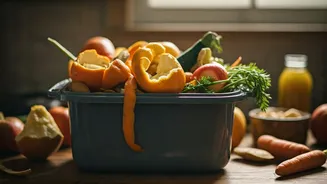
When you have a surplus of summer squash, you're likely trimming the tops and ends, and maybe even peeling them if the skin is a bit tough. Save those bits! Zucchini ends, peelings, and even the watery, seedy cores you might scoop out can be collected in a freezer bag. When you have a good amount, simmer them in a bit of water with an onion and some herbs. The resulting liquid is a delicate but savory vegetable stock that's perfect for a summer vegetable soup, a light risotto, or for cooking grains like quinoa. It’s a simple way to capture every last bit of flavor from one of summer's most prolific producers.