


1. The Backlash Against ‘Overtourism’
The writing has been on the wall for years, scrawled by exasperated locals in Barcelona and Venice. The phenomenon of ‘overtourism’—where a destination is crushed by its own popularity—created a travel experience that was often more about waiting in line
than soaking in a culture. The post-pandemic traveler has a lower tolerance for this. Industry trend reports suggest a conscious pivot away from the ‘checklist’ destinations seen a million times on Instagram. Instead, travelers are actively seeking ‘undertourism’: visiting second-city alternatives or shoulder-season dates to find authentic connections without contributing to the crowd problem. It’s less about seeing the Mona Lisa over a sea of smartphones and more about finding a quiet cafe on a forgotten side street.
2. The Search for America’s Forgotten Coastlines
Mention a U.S. beach trip, and minds jump to Miami, Malibu, or Myrtle Beach. But the quiet travel trend is rediscovering the nation’s more subdued shorelines. Think of Oregon’s dramatic, moody coast, with its sea stacks and charming small towns like Cannon Beach, which offers a dramatic beauty far removed from the party-centric beach scene. Or consider the ‘Forgotten Coast’ of Florida’s Panhandle, a stretch of Old Florida with low-rise buildings, protected dunes, and sleepy fishing villages like Apalachicola. These places offer the salt and the sea, but trade bustling boardwalks for pristine nature preserves and the sounds of waves instead of DJs.
3. The Rise of the Dark Sky Sanctuary
What’s the ultimate luxury in a world of constant screen glare and light pollution? True darkness. A growing number of travelers are planning entire trips around stargazing, heading to designated Dark Sky Parks and Sanctuaries. These are places where the cosmos puts on a show that’s simply impossible to see from any major city. Destinations like Great Basin National Park in Nevada, one of the least light-polluted parks in the lower 48, or the Headlands International Dark Sky Park in Michigan are becoming bucket-list spots. The appeal is profound: it's a chance to disconnect from technology and reconnect with a sense of wonder and scale that is both humbling and deeply peaceful.
4. The Mindful Mountain Retreat (Without the Crowds)
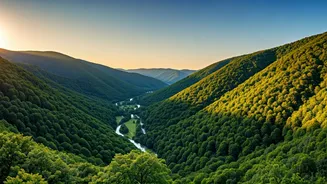
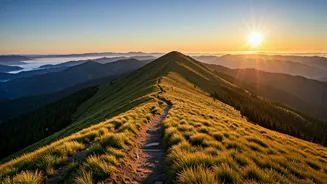
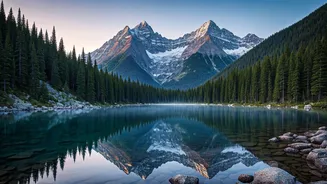
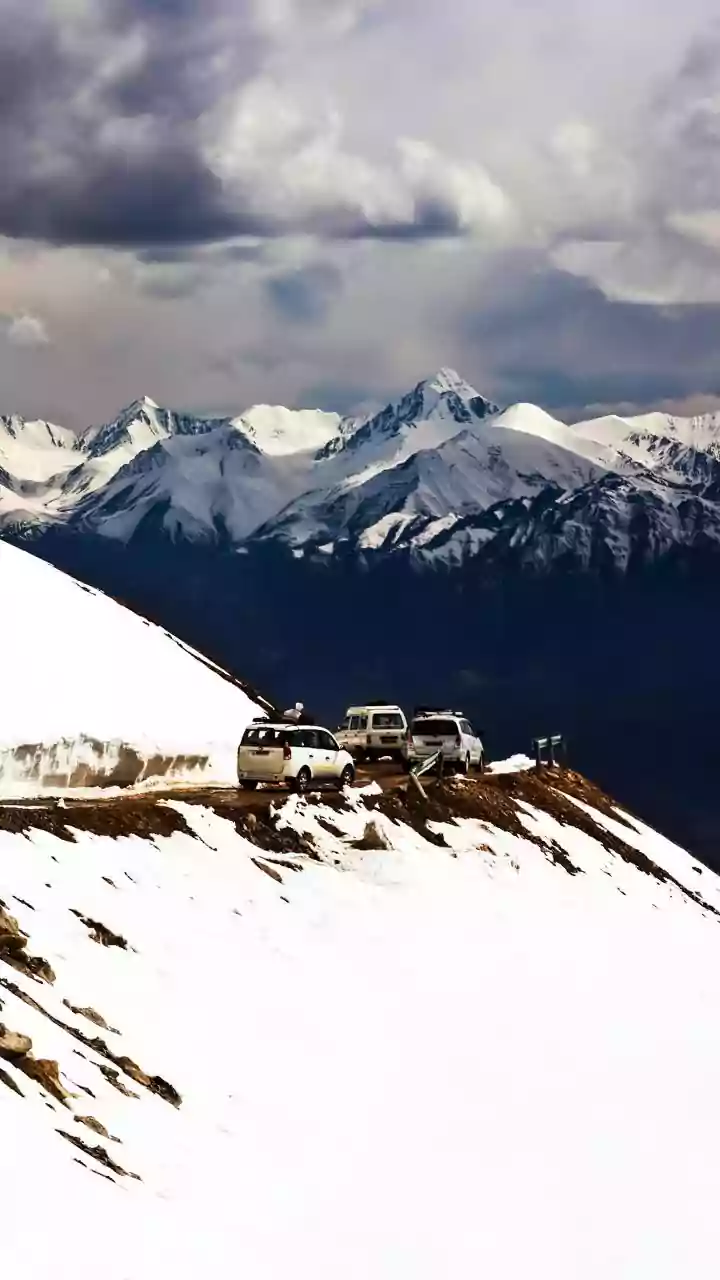
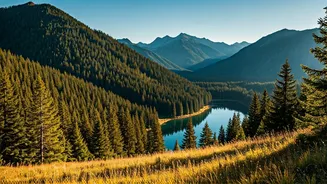
While the Rockies in Colorado and the Tetons in Wyoming will always be stunning, the 2026 mood is finding tranquility in less-trodden ranges. The Appalachian Mountains, for example, offer a different kind of immersion. Think less about conquering extreme peaks and more about forest bathing, waterfall hikes, and the rich cultural history of towns in the Blue Ridge Mountains of North Carolina or the Green Mountains of Vermont. These retreats are about the journey, not just the summit. Travelers are seeking out cabins with a view, wellness-focused lodges, and trails where the only sound is the crunch of leaves underfoot—a stark contrast to the permit lotteries and packed trailheads of their more famous Western counterparts.
5. The Small-Town Cultural Getaway
The new travel calculus values a high-quality experience over a high-profile location. This is driving a renaissance for small American towns that punch above their weight in culture, food, and art, but without the big-city hustle. Forget fighting for reservations in New York; instead, consider a place like Staunton, Virginia, with its world-class Shakespeare center and vibrant Main Street, or Marfa, Texas, a minimalist art mecca in the middle of the high desert. These trips are about savoring a unique sense of place. They prove that you don’t need a population of a million-plus to find an incredible meal, a thought-provoking gallery, or a perfectly preserved historic district.