
Beyond the Bronze Statue
For decades, a city trip often meant a checklist of static landmarks: visit the monument, see the historic statue, tour the old building. But something has shifted. In an era where every experience is instantly shareable, travelers are seeking moments
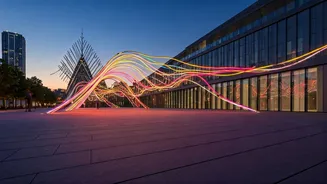
that feel alive, dynamic, and unique. Cities are responding not by building more bronze statues, but by investing in temporary, interactive, and overwhelmingly visual art events. These aren't your typical museum exhibitions, cordoned off behind velvet ropes. We're talking about entire building facades transformed into digital canvases, like Chicago’s Art on the Mart, or forgotten alleyways bursting with color during a mural festival. This new wave of public art is designed for engagement. It invites you to walk through it, play with it, and, yes, take a picture with it. The 'Instagrammable moment' isn't just vanity; it's a modern form of word-of-mouth, turning visitors into evangelists for a city’s newfound vibrancy.
The Economics of Illumination
While these events provide a dose of soul, they’re also a shrewd economic strategy. Think about it: a massive light festival like Cincinnati's BLINK, which draws over a million people, doesn't just look cool. It fills hotels, packs restaurants, and gives a massive boost to local businesses during a time that might otherwise be a seasonal lull. These events create a destination-worthy occasion, giving people a specific reason to book a flight and spend a weekend. They function as cultural anchors that are often free to the public, creating a low barrier to entry for an experience that feels premium. This model proves that investing in culture isn't a frivolous expense; it’s a direct investment in the local economy. It’s a way for cities to compete for tourist dollars not on price, but on the promise of an unforgettable experience that you can’t get anywhere else.
Painting a New Identity
Art has a unique power to reshape a city's narrative. For post-industrial cities or neighborhoods looking to shed an outdated reputation, large-scale art projects have become a powerful tool for rebranding. The proliferation of mural festivals, from Detroit to Richmond, has done more than just beautify blank walls. It’s a visual declaration of creativity, resilience, and community pride. These murals tell stories, celebrate local heroes, and transform a simple walk into a free outdoor art tour. Similarly, the global phenomenon of 'immersive experiences'—think digital projections of Van Gogh or Monet—are turning old warehouses and empty industrial spaces into must-visit cultural hubs. They're creating new landmarks out of thin air, attracting visitors to parts of a city they might have otherwise ignored and broadcasting a message that this is a place where new, exciting things are happening.
The Search for Shared Wonder
Perhaps the most important reason these events feel so vital right now is that they fulfill a deep human need for connection. After years of social distancing and digital fatigue, there is a profound collective craving for real-world, communal experiences. Watching a spectacular drone show light up the night sky, or getting lost in a glowing labyrinth of light with hundreds of other people, creates a sense of shared wonder. It's a reminder of the simple joy of experiencing something beautiful together. These moments cut through the noise of daily life. They don’t just give you something to see; they give you something to *feel*. A trip built around such an event feels less like passive consumption and more like active participation in the city's cultural life, forging a much stronger and more memorable connection to the place.