




The Crisis That Sparked a Movement
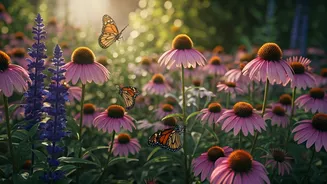
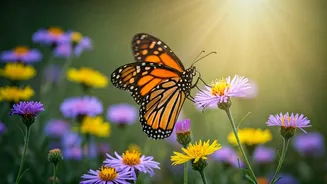
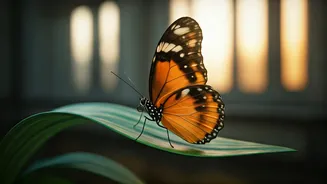
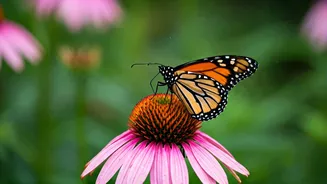
The story of the pollinator garden boom begins with a crisis. For years, scientists have sounded the alarm about the startling decline of essential pollinators like bees, butterflies, moths, and beetles. The monarch butterfly, an American icon, has seen
its population plummet by over 80% in two decades. Bee populations, crucial for pollinating roughly a third of the food we eat, are struggling against a triple threat: habitat loss, pesticide use (particularly neonicotinoids), and climate change. As vast stretches of natural landscape have been replaced with subdivisions, shopping malls, and agricultural monocultures, the flowers, nesting sites, and food sources that pollinators depend on have vanished. This slow-motion ecological disaster, once the concern of scientists and environmentalists, has finally broken through into the mainstream consciousness, creating a sense of urgency that has spurred everyday people to act.
The Lawn Is Losing Its Luster
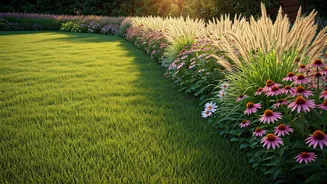
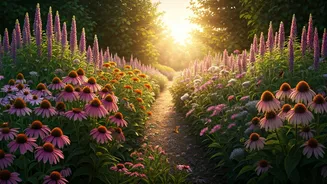
For generations, the ultimate symbol of American suburbia was the pristine, emerald-green lawn. It was a mark of diligence, order, and prosperity. But today, that ideal is being challenged. Ecologically speaking, a turfgrass lawn is often described as a 'green desert.' It offers virtually no food or shelter for wildlife, requires immense amounts of water to maintain, and is frequently treated with chemical fertilizers and pesticides that can harm local ecosystems. As awareness of these environmental costs has grown, so has the desire for a different kind of yard. The pollinator garden movement reframes the perfect lawn not as an asset, but as a missed opportunity. Instead of a sterile monoculture, homeowners are beginning to see their yards as potential habitats—small but vital patches of ecological restoration. The new status symbol isn't a flawless carpet of grass, but a vibrant, buzzing garden teeming with native life.
From Gardeners to Backyard Ecologists
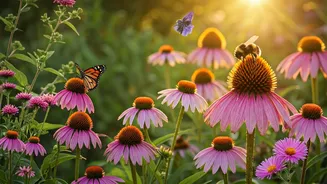
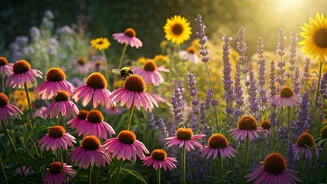
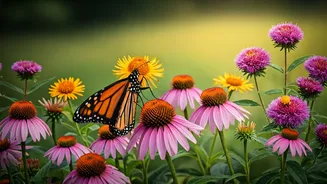
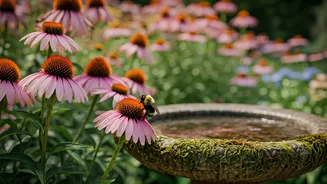
A key catalyst for this boom has been the work of a few influential thinkers who have empowered homeowners with a powerful new idea. Foremost among them is entomologist and author Doug Tallamy, whose concept of a 'Homegrown National Park' has become a rallying cry. Tallamy argues that if enough individuals convert a portion of their lawns to native plant habitats, the collective result could be a massive, decentralized network of conservation lands—larger than all our national parks combined. His research emphasizes the critical link between native plants and native insects. While a bee might visit an ornamental flower from Asia, native insects have co-evolved over millennia to feed on specific native plants. A monarch caterpillar, for instance, can only eat milkweed. By planting native species like coneflowers, asters, and goldenrod, gardeners aren’t just adding beauty; they are actively rebuilding the local food web from the ground up. This shift transforms the gardener from a decorator into a steward of their local ecosystem.
An Accessible, Beautiful Rebellion
Perhaps the biggest reason for the boom's success is its accessibility. You don't need a huge property or a master's degree in botany to make a difference. A few pots of native flowers on an apartment balcony can become a crucial refueling station for a migrating monarch. A small patch of a suburban yard converted from grass to black-eyed Susans can support dozens of native bee species. This movement is also changing our definition of beauty. Where a wild, 'messy' patch of flowers might once have been seen as neglectful, it is now increasingly viewed as a sign of ecological consciousness. Native plant nurseries are becoming more common, and online communities offer endless support and advice, making it easier than ever to get started. The pollinator garden boom is, at its heart, a hopeful and tangible response to a daunting environmental problem. It offers a way for individuals to reclaim a piece of the natural world and see the direct, positive impact of their efforts in the flutter of a butterfly's wings.