



The Great Digital Detox
At its core, the modern cabin obsession is a direct reaction to our hyper-connected, always-on lives. The endless scroll, the constant notifications, the pressure to be productive even in our downtime—it all creates a profound yearning for an 'off' switch.
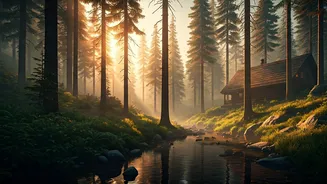
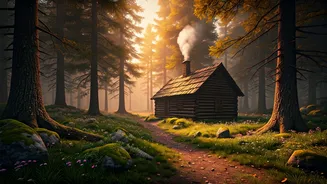
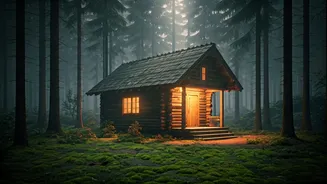
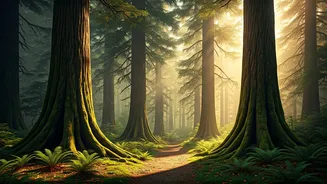
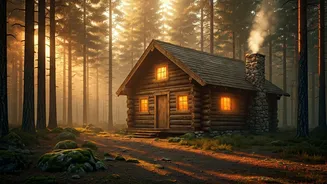
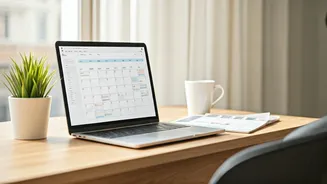
The cabin has become the ultimate symbol of that switch. It represents a place where the Wi-Fi is weak (or intentionally ignored) and the most pressing notification is a sunset demanding to be watched. This isn’t about Luddism or rejecting technology outright; it's about reclaiming control. The fantasy isn't just about a physical structure of wood and stone; it’s about inhabiting a mental space free from the digital noise that defines modern existence. It’s a purposeful retreat into simplicity, where the day’s rhythm is set by sunrise, mealtimes, and the crackle of a wood-burning stove rather than a digital calendar.
A Post-Pandemic Recalibration
If burnout culture lit the match, the pandemic was the gasoline. The years of lockdown and remote work fundamentally rewired our relationship with place. Suddenly, the daily commute was gone, and the city's magnetic pull weakened. For millions of Americans, work was no longer tied to a specific skyscraper or office park. This newfound geographic freedom made the once-distant dream of a rural or semi-rural life tangibly real. People began asking, 'If I can work from anywhere, why am I working from here?' This led to a boom in real estate markets in scenic, lower-density areas. The cabin, once a weekend-only fantasy, became a viable option for a primary residence, a 'flex' office, or at the very least, a much more frequent escape. It reflects a mass recalibration of priorities, elevating quality of life, access to nature, and personal space over urban convenience.
The Rise of Rustic-Chic
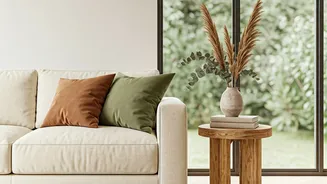
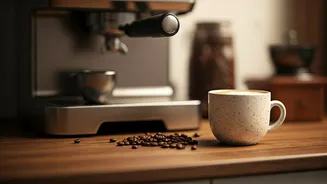
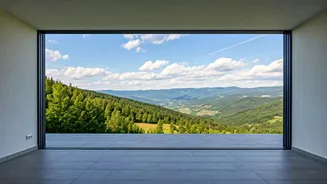
Let’s be honest: today’s popular cabin isn't necessarily the rugged, drafty shack of yore. The aesthetic has gone decidedly upscale. Thanks to social media, particularly Instagram and Pinterest, the 'cabin-core' look has been codified and commercialized. Think less Abe Lincoln, more Architectural Digest. We're talking about A-frames with floor-to-ceiling windows, Scandinavian-inspired minimalist interiors, outdoor hot tubs, high-thread-count sheets, and kitchens equipped for a gourmet chef. This professionalization of rustic living makes it more appealing to a broader audience. You can have the feeling of being immersed in nature without sacrificing comfort. Design trends like 'hygge' (the Danish concept of coziness) and 'friluftsliv' (the Norwegian love of open-air living) provide a philosophical and aesthetic framework for this new, curated version of cabin life. It’s escapism, but with excellent plumbing and a great espresso machine.
An Accessible, Rentable Dream
While the idea of buying a second home in the woods remains a privilege for the few, the cabin 'moment' has been democratized by the rental economy. Platforms like Airbnb and Vrbo have made finding and booking a unique cabin for a weekend as easy as ordering a pizza. You don't need a mortgage to experience the dream; you just need a free weekend. This accessibility has turned cabins into a major travel category. Travelers are increasingly swapping hotel stays for standalone properties that offer privacy, character, and a direct connection to the outdoors. This creates a virtuous cycle: as demand grows, more people invest in and renovate cabins specifically for the short-term rental market, further elevating the quality and variety of options available. The cabin is no longer just a home; it's an experience you can book.