




The River's Constant Song
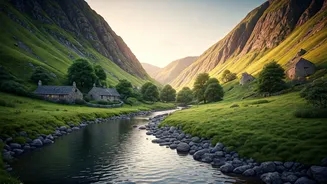
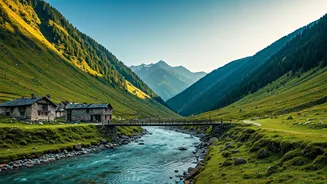
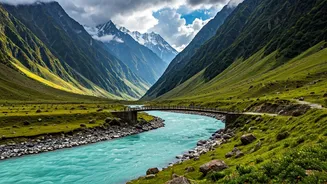
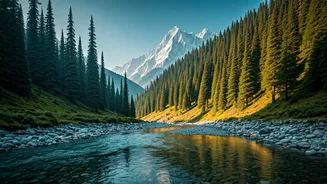
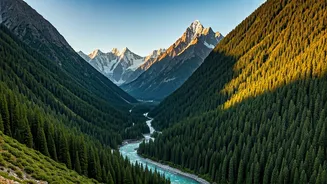
Tucked away in the Kullu district of Himachal Pradesh, India, the Tirthan Valley is a world away from the frantic energy of Delhi or Mumbai. It’s a narrow, emerald-green corridor carved by the Tirthan River, which flows down from the glacial heights of the Great
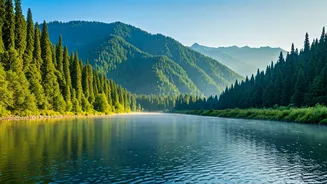
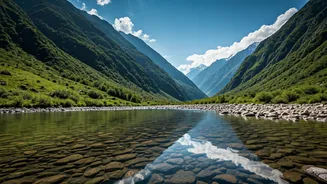
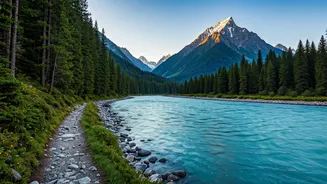
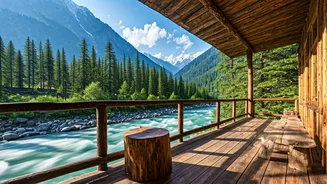
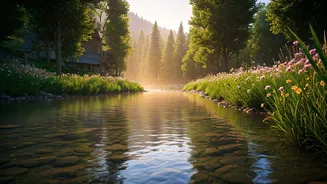
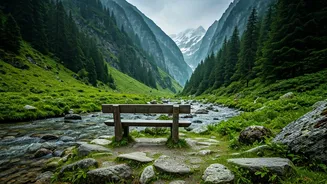
Himalayan National Park, a UNESCO World Heritage Site. Here, the river isn't just a feature; it's the valley's heartbeat. It dictates the pace of life, provides the soundtrack for your stay, and serves as the primary source of entertainment. Its clear, cold water, teeming with trout, rushes over a bed of smooth, grey stones, creating a form of natural white noise so immersive that the anxieties of deadlines and notifications simply cannot compete. This constant, rhythmic sound is the foundation of the valley’s therapeutic effect—a primal hum that recalibrates the nervous system.
More Than a Room, A Home
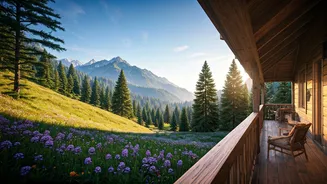
The secret to unlocking Tirthan’s magic isn’t found in a luxury resort, but in its network of riverside homestays. These are not sterile, cookie-cutter hotels. Instead, they are typically traditional wooden homes, known as kath-kuni architecture, where local families have opened their doors to travelers. Staying in one feels less like a transaction and more like being welcomed by a distant relative. You don’t check in; you’re greeted with a warm cup of chai. You don’t order from a menu; you eat what the family is eating—hearty, home-cooked Himachali food like fresh-caught trout, locally grown vegetables, and steamed bread called siddu. The rooms are simple, clean, and comfortable, often with a balcony overlooking the roaring river just feet away. This intimate setting fosters a genuine connection, replacing the anonymous efficiency of modern travel with the simple warmth of human hospitality.
The Luxury of Disconnection
For the perpetually connected American, Tirthan Valley offers the ultimate, unintentional luxury: a forced digital detox. Wi-Fi is a rare and fickle commodity, and cell service is often non-existent outside of a few small villages. At first, the absence of signal can feel like a phantom limb, inducing a twitchy urge to check for emails that will never arrive. But within a day, that anxiety gives way to a profound sense of liberation. Without the endless scroll, you look up. You notice the way sunlight filters through the deodar cedar trees, the brilliant blue of a kingfisher diving for its meal, or the intricate patterns on a hand-carved balcony. Conversations with your host, fellow travelers, or even yourself replace the digital chatter. Time expands. An afternoon is no longer a series of 15-minute slots but a vast, open space to be filled with reading a book, taking a nap, or simply sitting by the river and doing nothing at all.
An Agenda of Simplicity
The “to-do list” in Tirthan is refreshingly short and gloriously low-stress. The most demanding activity might be a short hike to a hidden waterfall or a visit to the gates of the Great Himalayan National Park. Anglers can spend hours in meditative stillness, trying their hand at fly-fishing for the region’s famous brown and rainbow trout. You can wander through nearby villages like Gushaini or Nagini, where life unfolds at a pace that feels centuries old. There are no mega-malls, no tourist traps, no pressure to do anything. The goal here is not to see a checklist of sights but to simply be. It's an active form of rest, where gentle walks and fresh mountain air do more for the soul than a week of scheduled relaxation ever could. This is the therapy—not a prescribed treatment, but a gentle realignment with a simpler, more natural rhythm of life.