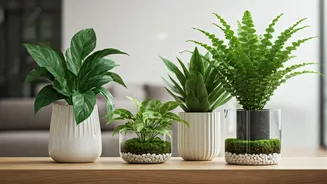





The Secret Is No Soil at All
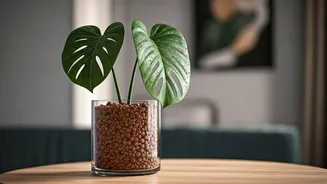
The solution that’s quietly revolutionizing indoor gardening for the neat-conscious is a method called semi-hydroponics, and its star player is Leca. Short for Lightweight Expanded Clay Aggregate, Leca consists of small, porous clay pebbles that are baked
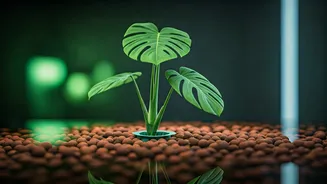
at high temperatures. These pebbles look like uniform, terracotta-colored marbles and serve as a substitute for traditional potting soil. Instead of holding water within a dense mix, Leca wicks moisture up from a reservoir at the bottom of the pot, delivering it directly to the plant's roots. The result? A clean, contained, and surprisingly simple system that eliminates the most common messes associated with houseplants.
Why It’s a Tidy Gardener’s Dream
The primary benefit is obvious: no dirt. Repotting a plant no longer means laying down newspaper and bracing for a sweep-and-mop session. With Leca, you simply rinse the pebbles and place them in the pot. This soil-free environment is also inhospitable to many common pests, most notably fungus gnats, which lay their eggs in the top layer of moist soil. Without soil, their life cycle is broken. Watering becomes less of a guessing game and more of a routine. Instead of probing the soil to check for moisture, you can often see the water level in the reservoir through a clear pot or by using a water-level indicator. This significantly reduces the chances of overwatering, a leading cause of root rot and plant demise.
How to Make the Switch
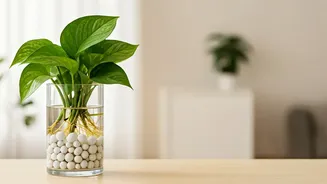
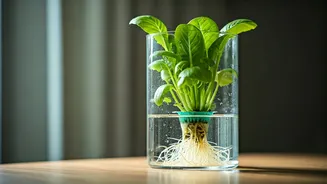
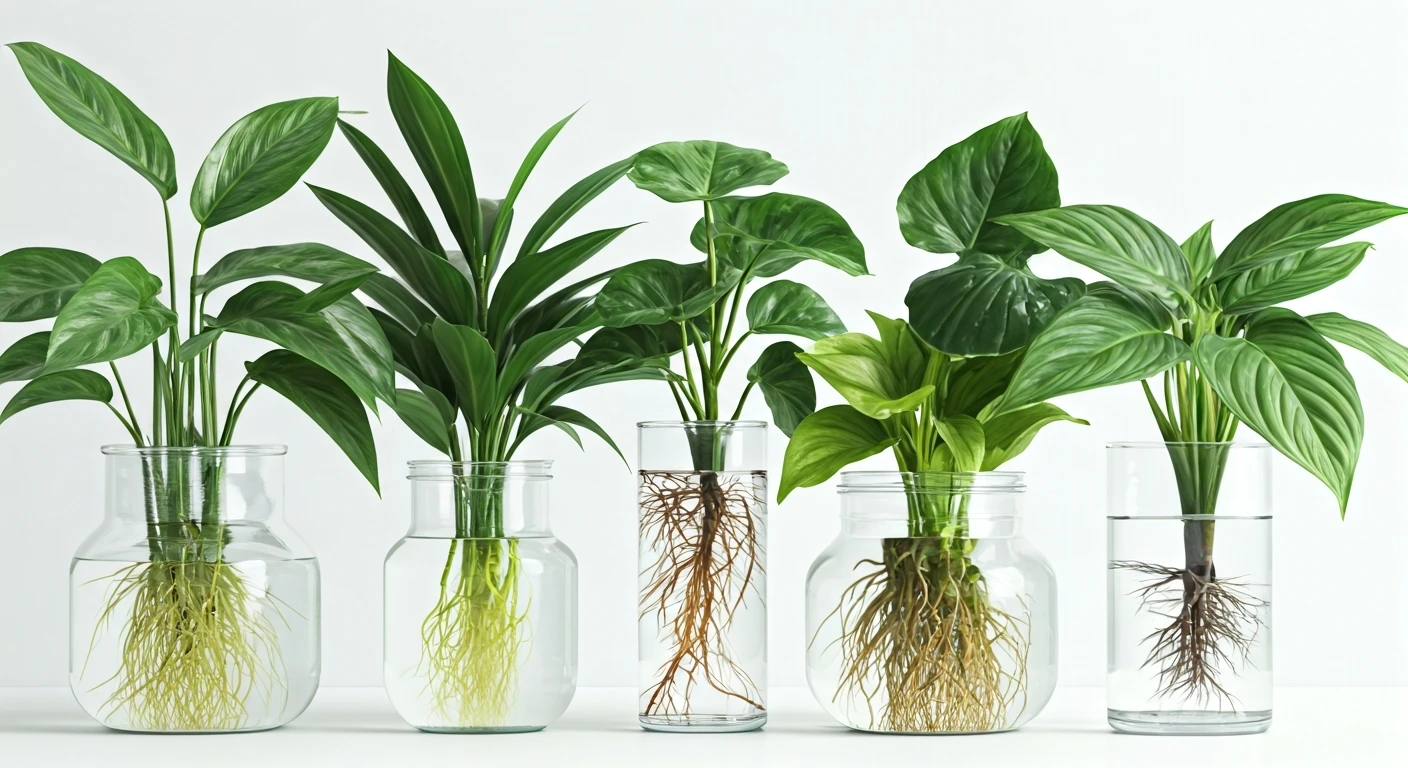
Transitioning a plant from soil to Leca requires a bit of initial effort but pays off in the long run. First, gently remove the plant from its pot and wash away as much soil from the roots as possible. This is the most critical and messiest part of the process, but it's a one-time job. Be thorough but gentle, as leftover soil can rot in the Leca environment. Next, choose a pot without drainage holes to act as your reservoir, or use a self-watering pot designed for this purpose. A popular DIY method is using a clear glass vase or plastic container. Fill the bottom with a one-inch layer of water and nutrient solution. Place your clean-rooted plant inside and carefully backfill with pre-soaked Leca pebbles until the plant is stable. The roots should be in the pebbles, not sitting directly in the water reservoir.
Feeding Your Soil-Free Friends
Here's the most important thing to remember: Leca is an inert medium. It contains zero nutrients. Unlike soil, which provides a slow release of minerals, Leca is just a structural support system for the roots. This means you are entirely responsible for your plant's nutrition. You must add a hydroponic-specific fertilizer to the water reservoir every time you refill it. Standard houseplant food won't cut it, as it’s formulated to work with the microorganisms in soil. About once a month, it’s also good practice to perform a “flush.” Simply take the plant to a sink and run fresh water through the pebbles for a minute to wash away any mineral buildup, then refill the reservoir with fresh nutrient water.
Best Plants for a Clean Start
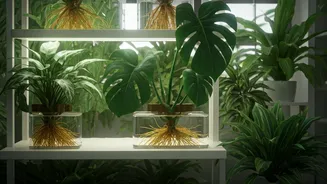
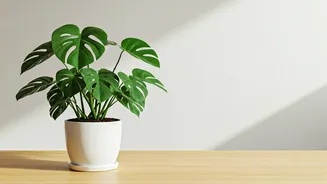
While many plants can adapt to Leca, some take to it more readily than others. If you’re new to semi-hydroponics, it’s wise to start with a resilient plant to build your confidence. Aroids are fantastic candidates; think Pothos, Philodendrons, Monsteras, and ZZ plants. These species often have robust root systems that handle the transition well. Orchids, which are often sold in bark mix, also thrive in Leca because it mimics the airy environment their roots prefer. Plants that require consistently dry soil, like many succulents and cacti, are generally not good candidates for this water-wicking system. Start with one or two of your hardiest plants and see how they fare before converting your entire collection.