
First, Forget Pancake Batter
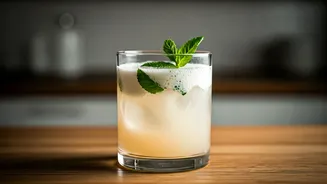
When Americans hear “buttermilk,” we picture the thick, tangy liquid that makes our pancakes fluffy and our fried chicken crisp. That’s cultured buttermilk, made by adding bacterial cultures to milk. Indian buttermilk, known as *chaas*, is a different
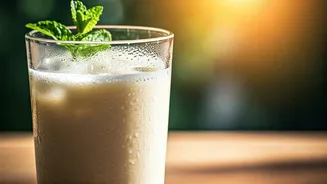
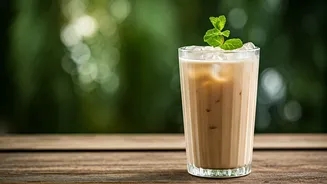
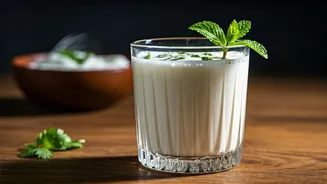
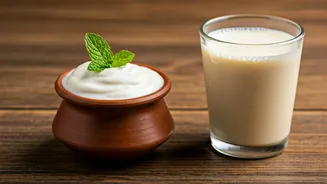
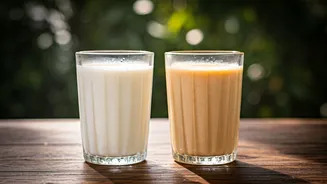
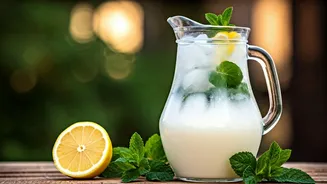
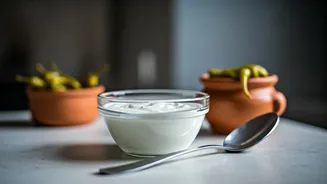
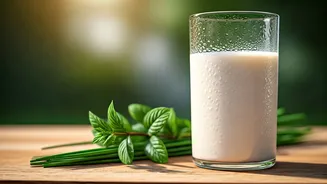
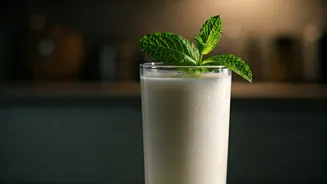
beverage entirely. It’s thin, light, and deeply refreshing, with the consistency of skim milk. Traditionally, it was the liquid left over after churning butter from cultured yogurt (*dahi*). Today, it’s more often made by simply watering down plain yogurt and whisking it until smooth. It’s not a baking ingredient; it’s a drink, served chilled in a tall glass, and it’s a cornerstone of daily life, especially in India's hot and humid climates.
Wellness Without the Hype
Long before “gut health” became a wellness buzzword, *chaas* was the original probiotic drink. Made from yogurt, it’s naturally full of beneficial bacteria that aid digestion. It’s often served alongside or after a rich, spicy meal precisely for this reason—it soothes the stomach and cuts through the heat and heaviness. The spices blended into it, like roasted cumin and ginger, are also known for their digestive properties. Furthermore, it's an exceptional hydrator. The combination of water, yogurt, and a pinch of salt helps replenish fluids and electrolytes lost to sweat, making it a far more effective thirst-quencher than plain water on a sweltering day. It’s the original, low-cost sports drink, providing cooling relief and functional benefits without a single marketing campaign.
The Savory, Spiced Secret
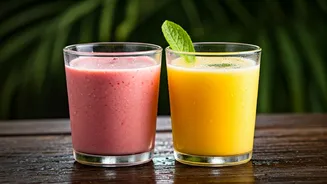
What truly elevates Indian buttermilk from a simple yogurt drink to a culinary classic is the spice. The most common version, *masala chaas*, is a savory delight. It typically includes roasted ground cumin, which lends a nutty, earthy flavor; a pinch of black salt (*kala namak*), which has a unique, slightly sulfuric tang that enhances all the other flavors; and sometimes finely chopped cilantro, mint, or a bit of grated ginger for a spicy kick. These ingredients aren't just for show; they create a complex, layered flavor profile that is simultaneously cooling and invigorating. Unlike its sweet cousin, lassi—which is thicker, often blended with fruit and sugar, and serves more as a dessert or heavy snack—*chaas* is a light, savory beverage designed for refreshment and digestion.
An Everyday Ritual, Not a Luxury
Perhaps the most radical thing about *chaas* from a Western perspective is its accessibility. This isn't a specialty item you find at a high-end health food store. It’s an everyday staple. Street vendors sell it in disposable cups for a handful of rupees. Families make a fresh pitcher of it every day to have with lunch. It’s offered to guests as a welcome drink and is a standard fixture on restaurant menus, from roadside diners to upscale establishments. Its affordability and ubiquity underscore a different philosophy of wellness—one that is integrated into daily life, rooted in tradition, and accessible to everyone, not just those who can afford a premium price tag. It’s a testament to the idea that sometimes the most effective health solutions are the simplest ones, passed down through generations.