




The Visual Science of Warmth
The secret to the marigold’s gloom-busting power lies in basic color theory. Wet gardens are often dominated by deep greens, dark, damp soil, and the muted tones of rain-slicked foliage. These cool, receding colors can absorb light and create a somber
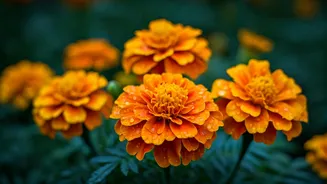
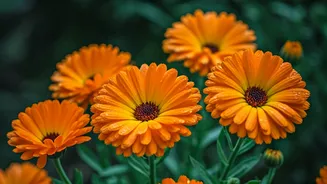
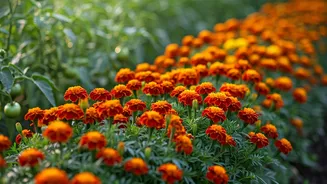
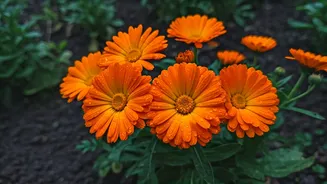
atmosphere. Marigolds, with their fiery palette of yellows, oranges, and rustic reds, do the exact opposite. These are warm, advancing colors that our eyes perceive as energetic, bright, and cheerful. When you plant a cluster of marigolds along a soggy border, you’re not just adding a plant; you’re injecting a point of high-contrast light. They act like little lamps, drawing the eye and creating a focal point that feels sunny and vibrant, effectively tricking the brain into seeing warmth and life instead of dampness and shadow. On an overcast day, a stand of orange marigolds can provide the same visual lift as a ray of sunshine breaking through the clouds.
Are Marigolds Suited for Wet Soil?
This is a crucial question. While no marigold wants to live in a swamp, many varieties are surprisingly tough and tolerant of consistent moisture. The key distinction is between “damp” and “waterlogged.” Marigolds thrive in soil that remains evenly moist but don't perform well in standing water or soil that is constantly saturated with no chance to dry out. Poorly draining clay soil can lead to root rot. However, in gardens with decent drainage that simply get a lot of rain or are located in a damp, humid climate, marigolds are excellent candidates. French marigolds (Tagetes patula), in particular, are known for their resilience and ability to handle less-than-ideal conditions, including damper soils. They are workhorses that will continue to bloom reliably long after more delicate flowers have given up in a wet summer. If your soil is particularly heavy, amending it with compost when planting can improve drainage just enough to keep your marigolds happy.
Choosing the Right Marigold Variety
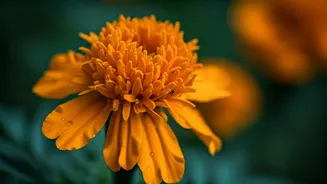
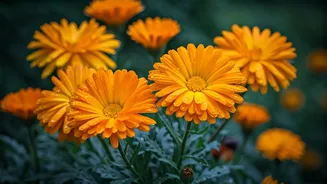
Not all marigolds are created equal, and choosing the right one can maximize the gloom-lifting effect. For most damp garden situations, consider these popular types: French Marigolds (Tagetes patula): These are the undisputed champions for this task. They are compact, bushy, and produce a profusion of blooms all season long. Their hardiness makes them forgiving of damp spells. Varieties like ‘Bonanza’ and ‘Hero’ offer classic, vibrant colors in a low-growing form perfect for front-of-border placement. African Marigolds (Tagetes erecta): Also known as American marigolds, these are the giants of the family, with tall, sturdy stems and huge, globe-like flower heads. While they appreciate more sun and slightly better drainage than their French cousins, they provide dramatic vertical interest. Planting a row of tall yellow ‘Crackerjack’ marigolds can create a brilliant, sunny screen. Signet Marigolds (Tagetes tenuifolia): For a more delicate look, signet marigolds offer fine, lacy foliage and dozens of small, single-petal blossoms. They have a lovely mounded habit and are great for containers or softening the edges of a pathway. The ‘Gem’ series (Lemon Gem, Orange Gem) is a popular choice.
Strategic Planting for Maximum Impact
How you plant your marigolds is just as important as which ones you choose. To combat a garden’s gloomy corners, think in terms of masses and ribbons of color. Instead of dotting single plants here and there, plant marigolds in generous clusters of five, seven, or more. This creates a bold, intentional statement that can’t be ignored. Use them to line a frequently damp pathway, where their bright faces will greet you. Tuck them into the front of a garden bed to provide a vibrant foreground that distracts from leggier, rain-battered plants behind them. They are also fantastic in containers. A few large pots filled with nothing but brilliant orange marigolds can be moved around the patio or deck to brighten up whichever area needs it most after a downpour. This container strategy also gives you complete control over the soil, ensuring perfect drainage.