


The Problem with 'Healthy' Snacks
Let’s be honest: many foods marketed as “healthy snacks” are a punishment. They’re often one-dimensional, delivering on low calories but failing spectacularly on satisfaction. They lack the textural variety and complex flavors that make eating enjoyable.
This culinary boredom is a major reason why many people find it hard to stick to healthier eating habits. We’re wired to seek pleasure in our food, and when a snack feels like a chore, we’re more likely to abandon it for something less nutritious but more gratifying. The secret to better snacking isn’t about deprivation; it’s about discovery. It’s about finding foods that are both good for you and genuinely delicious. This is where chaat, a cornerstone of Indian street food, enters the picture—not in its traditional, often indulgent form, but as a brilliant template for a healthy, exciting, and deeply satisfying snack.
An Introduction to Chaat
If you’ve never had it, chaat is less a single dish and more a glorious category of food. The word itself means “to lick” in Hindi, and it perfectly captures the craveable nature of these snacks. At its heart, chaat is a symphony of contrasting flavors and textures. It’s sweet, sour, tangy, spicy, and savory all at once, combined with elements that are soft, creamy, and crunchy.
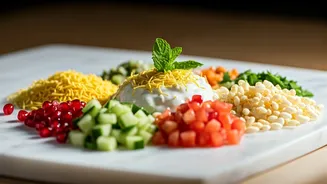
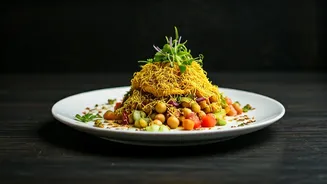
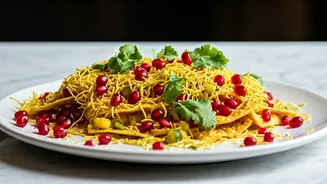
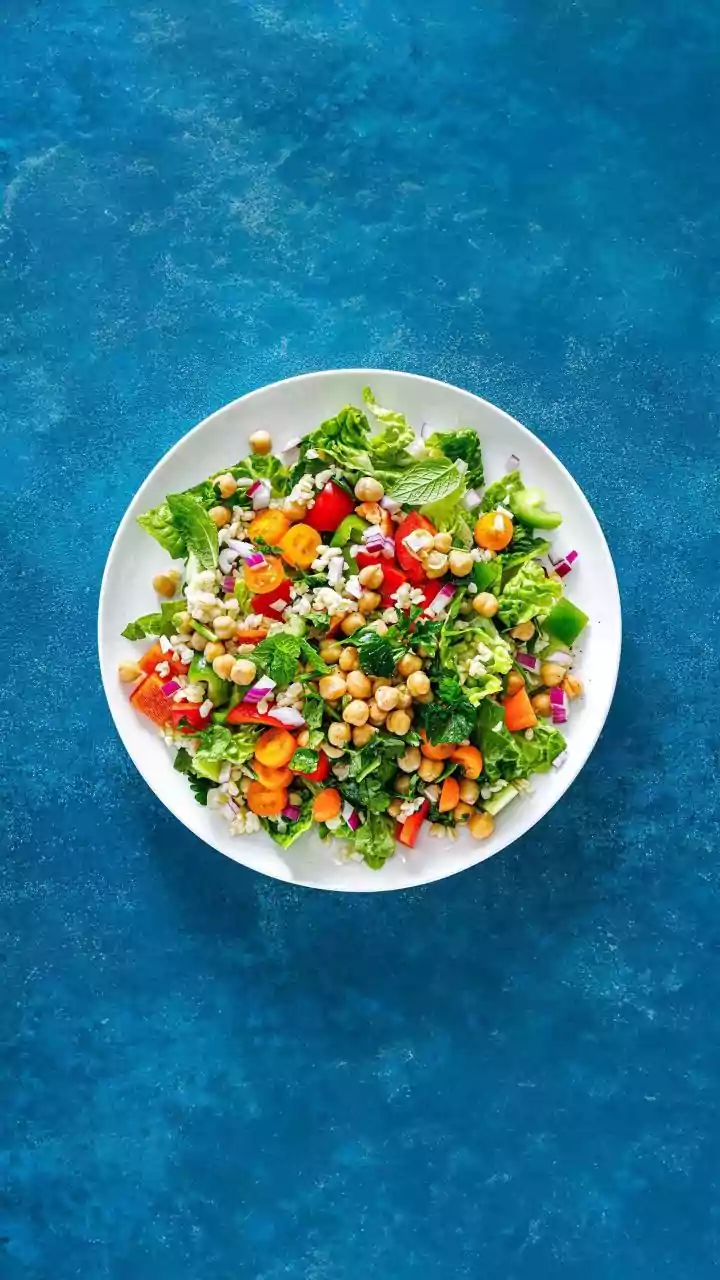
Think of it as a kind of savory salad or loaded nachos, but with a South Asian flavor profile. A typical chaat might start with a base of potatoes, chickpeas, or lentils, topped with yogurt, a tangy tamarind chutney, a fresh cilantro-mint chutney, and a sprinkle of crunchy fried dough bits (papdi) or crispy chickpea flour noodles (sev). The final dish is a beautiful mess, a party in a bowl where every bite is a little different from the last.
The 'Light' Chaat Makeover
While traditional street-side chaat is delicious, it can be heavy on fried components, sugar-laden sauces, and full-fat dairy. But the beauty of chaat is its modularity. With a few simple swaps, you can transform it into a powerhouse of nutrition that sacrifices none of the excitement.
The makeover is simple: keep the flavor, but upgrade the ingredients. Instead of deep-frying, we bake. Instead of refined sugar, we use natural sweetness. The core structure of the dish is already rich in plant-based proteins and fiber; we just need to clean up the edges. The goal is to build a snack that’s packed with nutrients, keeps you full, and delights your taste buds, making it something you actively look forward to eating.
How to Build Your Perfect Healthy Chaat
Think of this as your blueprint. Mix and match based on what you have and what you love.
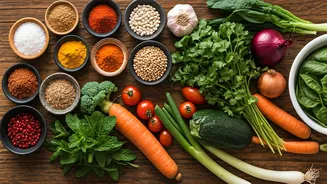
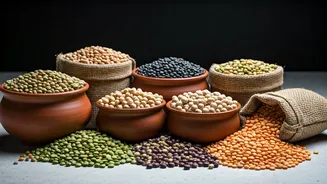
1. The Base (Protein & Fiber): This is the foundation. Ditch the fried potato patties (aloo tikki) for healthier options. Good choices include: boiled chickpeas, sprouted mung beans, black beans, boiled and diced potatoes or sweet potatoes, or cooked lentils.
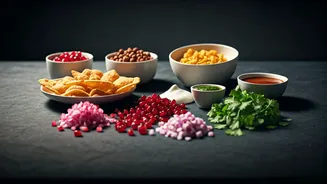
2. The Crunch (Texture is Key): This is non-negotiable for a good chaat, but you don't need a deep fryer. Swap fried papdi for baked whole-wheat pita chips, baked tortilla chips broken into pieces, or a handful of puffed rice (murmura) or high-fiber cereal.
3. The Sauces (Flavor Bombs): The chutneys are the soul of the dish. For a sweet and tangy tamarind chutney, make your own using dates for sweetness instead of sugar. The green chutney—typically cilantro, mint, chili, and lime—is already quite healthy. For the creamy element, use plain non-fat Greek yogurt instead of full-fat dahi. It adds a protein boost and a pleasant tang.
4. The Toppings (Freshness & Color): This is where you add fresh, vibrant notes. Finely chopped red onion, diced tomatoes, and a generous amount of fresh cilantro are standard. For an extra pop of sweetness and antioxidants, add a sprinkle of pomegranate seeds. A squeeze of fresh lime juice over the top brightens everything up.
A Snack That Satisfies
Assembling your light chaat is part of the fun. Layer your base, add the crunchy bits, drizzle the sauces generously, and finish with fresh toppings. What you end up with is a snack that hits every single note. The combination of complex carbs, lean protein from yogurt and legumes, and healthy fats makes it incredibly satiating.
More importantly, it’s not boring. The interplay of temperatures (cool yogurt, warm potatoes), textures (creamy, crunchy, soft), and tastes (sweet, sour, spicy) keeps your brain engaged and your palate excited. It’s a snack that feels like a treat—a complete, vibrant meal in a small bowl that fuels your body without weighing you down.