






The Great Urban Squeeze
To understand this furniture trend, you first have to understand the spaces it’s going into. India is experiencing one of the fastest rates of urbanization in history. Millions of young people are moving from towns and villages to megacities like Mumbai,
Bengaluru, and Delhi in search of education and career opportunities. This mass migration has put an immense strain on housing, sending real estate prices soaring and shrinking the average apartment size. For a young professional starting out, home is often a single room in a shared flat or a compact one-bedroom apartment. In this reality, a sprawling, ornate mahogany bed or a massive twelve-seater dining table isn't just impractical—it's impossible. Space is the ultimate luxury, and every square foot has to count. This physical constraint is the primary driver pushing an entire generation to rethink what furniture should be and do.
Aspiration Meets Pragmatism
But this isn’t just a story about cramped apartments. It’s also about the mindset of the people living in them. India’s millennials and Gen Z are the first generations to grow up fully connected to the global internet. Their aesthetic sensibilities are shaped not by their parents’ homes, but by Instagram feeds, Netflix shows, and global design blogs. They aspire to the clean, minimalist, and functional look popular in Scandinavian and Japanese design. Yet, they are also acutely aware of their budgets. This generation is pragmatic. They want the stylish look without the prohibitive price tag and with the added bonus of utility. A sofa that turns into a bed isn't a compromise; it's a clever hack. A dining table that folds away to create a yoga space is a mark of smart living. Multi-use furniture perfectly threads the needle between their global aspirations and their everyday, practical reality.
A Break From Tradition
This shift also represents a significant cultural departure. Traditional Indian homes have long favored heavy, carved, dark-wood furniture—pieces that were built to last for generations and signify permanence and status. This furniture was static, anchoring a family to a place. Today’s young Indians, however, value mobility and flexibility. Their careers might take them from Bengaluru to Singapore to Dubai. They rent apartments, move frequently, and are less likely to stay in one city for life. For them, furniture that is lightweight, modular, and adaptable is far more valuable than a heavy heirloom they can’t take with them. A convertible coffee table that lifts to become a work-from-home desk is more aligned with their dynamic lifestyle than a solid teak monstrosity. This isn't just about style; it's about choosing objects that reflect a life in motion.
How the Market Responded
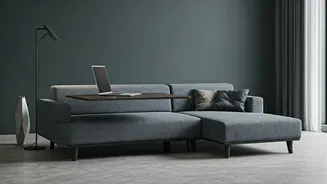
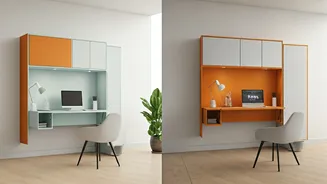
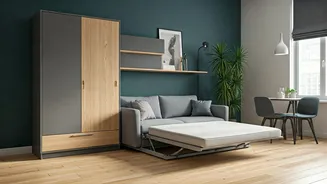
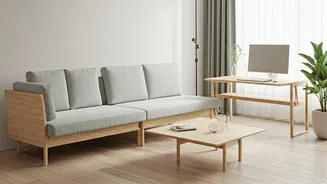
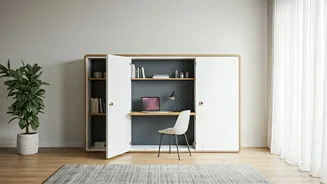
Sensing this seismic shift, the market has eagerly stepped in. The arrival of global giant IKEA in India was a watershed moment, introducing millions to the concept of flat-pack, functional design. But local players were already on the case. Indian online furniture startups like Pepperfry and Urban Ladder built their entire business models around catering to this new urban demographic. Their websites are filled with “sofa-cum-beds,” wall-mounted desks that fold away, nesting tables that can be separated for guests, and modular storage units that can be configured for any space. These companies don’t just sell furniture; they sell a solution to a modern urban problem. Their success is a testament to how deeply the demand for smart, space-saving design is ingrained in young India’s consumer DNA. They understood that the living room is now also the office, the gym, and the guest room, and they designed for it.