






Beyond the Dinner Buffet
For many Americans, Indian food has long been synonymous with celebratory dinners and all-you-can-eat lunch buffets—feasts of rich, complex dishes like chicken tikka masala, saag paneer, and buttery naan. While delicious, these meals are often so substantial
they can feel like a special-occasion indulgence, the kind that sends you searching for a couch immediately after. But this perception only scratches the surface of a vast and varied culinary tradition. Across India, daily home-cooked meals, especially lunch, are often built on principles of balance, nourishment, and digestibility. This is the food that fuels a billion people through their workday without inducing a “food coma.” As Americans become more health-conscious and seek variety in their midday meals, especially with the rise of remote work, this lighter, more practical side of Indian cooking is finally getting its well-deserved moment in the spotlight.
The Practicality Factor
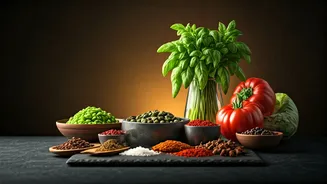
So why now? The shift is driven by practicality. The modern American lunch needs to check a lot of boxes: it must be relatively quick to prepare or reheat, provide sustained energy for the rest of the workday, be healthy, and, most importantly, not be boring. Light Indian dishes excel on all fronts. Many are one-pot meals, easily made in batches for meal prep, and feature a foundation of lentils, vegetables, and whole grains. They are seasoned with anti-inflammatory spices like turmeric, ginger, and cumin, offering complex flavors without heavy fats or sugars. For the millions of Americans now working from home, the ability to assemble a flavorful, warm lunch in minutes is a game-changer. It’s a significant upgrade from a sad desk salad or a processed frozen meal, providing both comfort and function.
Lunch Spotlight: Poha and Upma
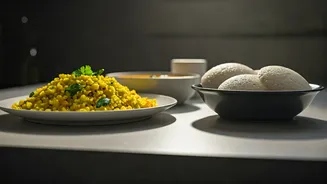
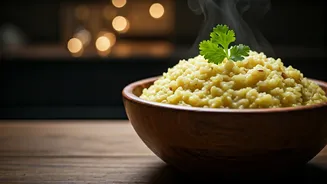
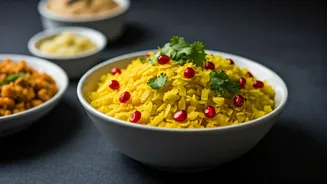
Two of the best entry points into the world of light Indian lunches are poha and upma. Though often eaten for breakfast in India, their quick preparation and savory profile make them ideal for a midday meal. Poha is made from flattened rice flakes that are quickly steamed with onions, potatoes, and a tempering of mustard seeds, curry leaves, and turmeric, then finished with a squeeze of lime and fresh cilantro. It’s gluten-free, light on the stomach, and comes together in under 15 minutes. Upma, its South Indian counterpart, is a thick, savory porridge made from dry-roasted semolina or cream of wheat. Cooked with vegetables like peas and carrots and seasoned similarly to poha, it has a comforting texture and provides a satisfying, carb-fueled energy boost without the crash.
Lunch Spotlight: The Power of Dal and Rice
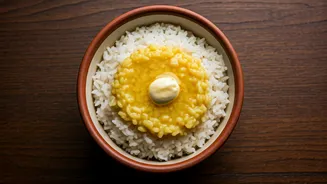
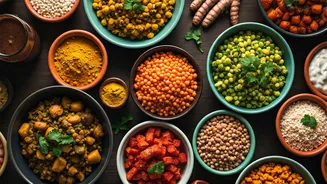
There is perhaps no meal more fundamental to daily Indian life than dal and rice. Dal, a simple soup made from lentils or split peas, is the versatile workhorse of the Indian kitchen. It can be thin and brothy or thick and stew-like, seasoned in countless regional variations. A simple tadka—spices like cumin seeds, garlic, and chilies sizzled in ghee or oil and poured over the cooked lentils at the end—transforms the humble dish into a flavor explosion. Paired with a small portion of basmati rice and perhaps a side of plain yogurt to aid digestion, a bowl of dal provides a complete protein that is both nourishing and incredibly gentle on the system. It’s the ultimate soul food, perfectly suited for a restorative lunch.
Lunch Spotlight: Khichdi, The One-Pot Wonder
Often misunderstood in the West as just “sick food,” khichdi is actually a celebrated one-pot meal of rice and lentils cooked together until soft and creamy. It is the foundation of Ayurvedic nutritional philosophy, prized for its easy digestibility and cleansing properties. But it’s far from bland. A simple khichdi can be elevated with vegetables and a flavorful tadka, making it a savory, comforting, and deeply satisfying meal. Its versatility is its strength. You can make it soupy or thick, keep it simple with just turmeric and salt, or load it up with spices and vegetables. As a lunch option, it’s a perfect reset button for your digestive system in the middle of a busy week.