



The Philosophy of Full-Use Cooking
For generations, the journey for most vegetable trimmings, fruit cores, and herb stems was a short one: from the cutting board straight to the trash bin or compost pile. They were seen as byproducts, not ingredients. But a revolutionary shift is underway
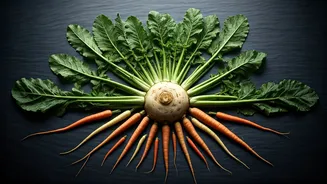
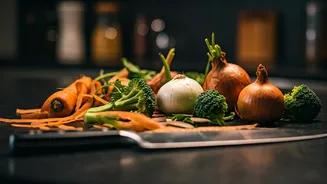
in America’s most forward-thinking kitchens. Driven by a blend of environmental consciousness, economic savvy, and sheer creative ambition, top chefs are rejecting the very concept of 'food waste.' Instead, they’re embracing a 'root-to-leaf' and 'nose-to-tail' philosophy that sees potential in every part of a plant or animal. This isn't about dutifully saving scraps for stock (though that's a great start). This is about finding the hidden flavor, texture, and beauty in the parts we were taught to discard and giving them a starring role on the plate.
Meet the Zero-Waste Pioneers
This movement isn't happening in a vacuum; it’s being led by culinary visionaries. Think of chefs like Dan Barber of New York's Blue Hill at Stone Barns, who has long championed a food system that values the entire ecosystem, from the soil to the stalk. He's famous for creating dishes that highlight the integrity of a single vegetable in its entirety. Across the pond, Douglas McMaster, founder of Silo in London—the world’s first zero-waste restaurant—literally designed his establishment around this principle, even milling his own flour and churning his own butter to eliminate packaging. In the U.S., chefs are following suit, finding that this constraint breeds immense creativity. They are asking a simple but profound question: 'What else can this do?' The answer, it turns out, is 'a lot.'
From Kitchen Trash to Culinary Treasure
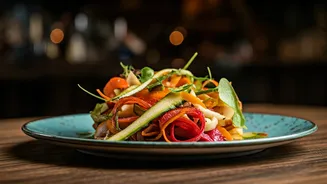
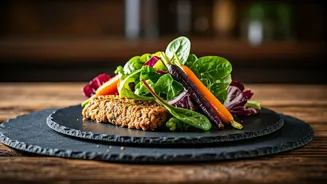
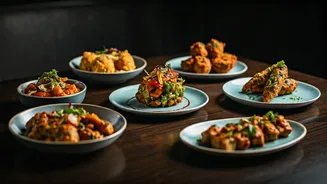
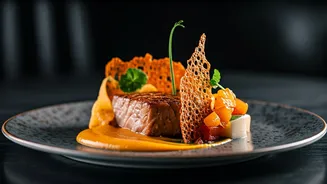
So what does this 'glow-up' actually look like on a menu? It’s far more glamorous than you might think. Imagine paper-thin, translucent 'glass' made from potato peel starch, served as a delicate, savory cracker. Picture leftover citrus rinds, typically zested and tossed, now being candied and served as a complex, jewel-like dessert garnish. Tough broccoli stems, often discarded, are being pickled, shaved into salads, or puréed into velvety soups that are richer and more nuanced than their floret counterparts. Coffee grounds get a second life, infusing oils or lending a smoky depth to spice rubs for meat. Even the water used to boil vegetables—known in culinary circles as 'vegetable liquor'—is being reduced into intensely flavorful sauces. These aren't just thrifty tricks; they are sophisticated techniques designed to extract every last drop of flavor.
More Than Just a Trend
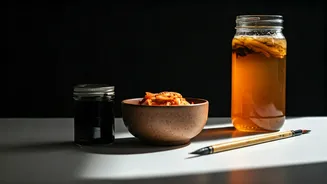
While the sustainability angle is a powerful motivator, the scrap-cooking movement is also about flavor innovation. Techniques like fermentation, dehydration, and pickling don’t just preserve; they transform. They create entirely new tastes—umami-rich, tangy, funky, and complex—that were previously unavailable. A fermented carrot peel can have a more compelling flavor profile than the carrot itself. This pursuit of new flavors makes the kitchen a laboratory of delicious possibilities. Furthermore, it's just smart business. In an industry with notoriously thin profit margins, using every part of a product that's already been paid for makes perfect economic sense. It reduces food purchasing costs and lowers waste disposal fees, all while adding a compelling story to the menu that resonates with increasingly eco-conscious diners.