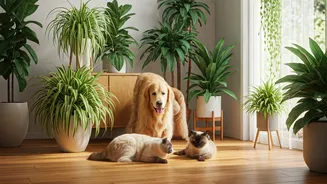




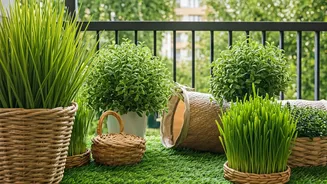


The New Rule: Co-Habitation, Not Domination
Welcome to the era of pet-centric design. It’s a philosophy that moves beyond simply owning a pet to consciously curating a shared environment. Instead of tucking a dog bed in a forgotten corner, we now see custom-built feeding stations and stylish cat
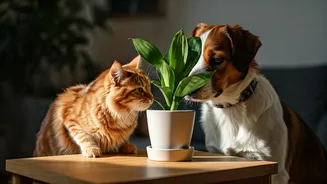
trees integrated into the living room. Indoor plants are the next frontier in this movement. Gone are the days of choosing between a lush, green home and a happy, healthy pet. The new ideal is achieving both, transforming our homes into vibrant ecosystems where furry friends and leafy ones can coexist safely and beautifully. This isn't just about avoiding disaster; it's about intentional, holistic design.
The Safe & Stylish Classics
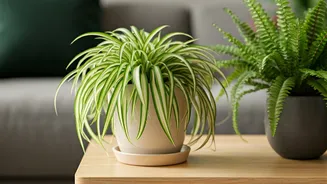
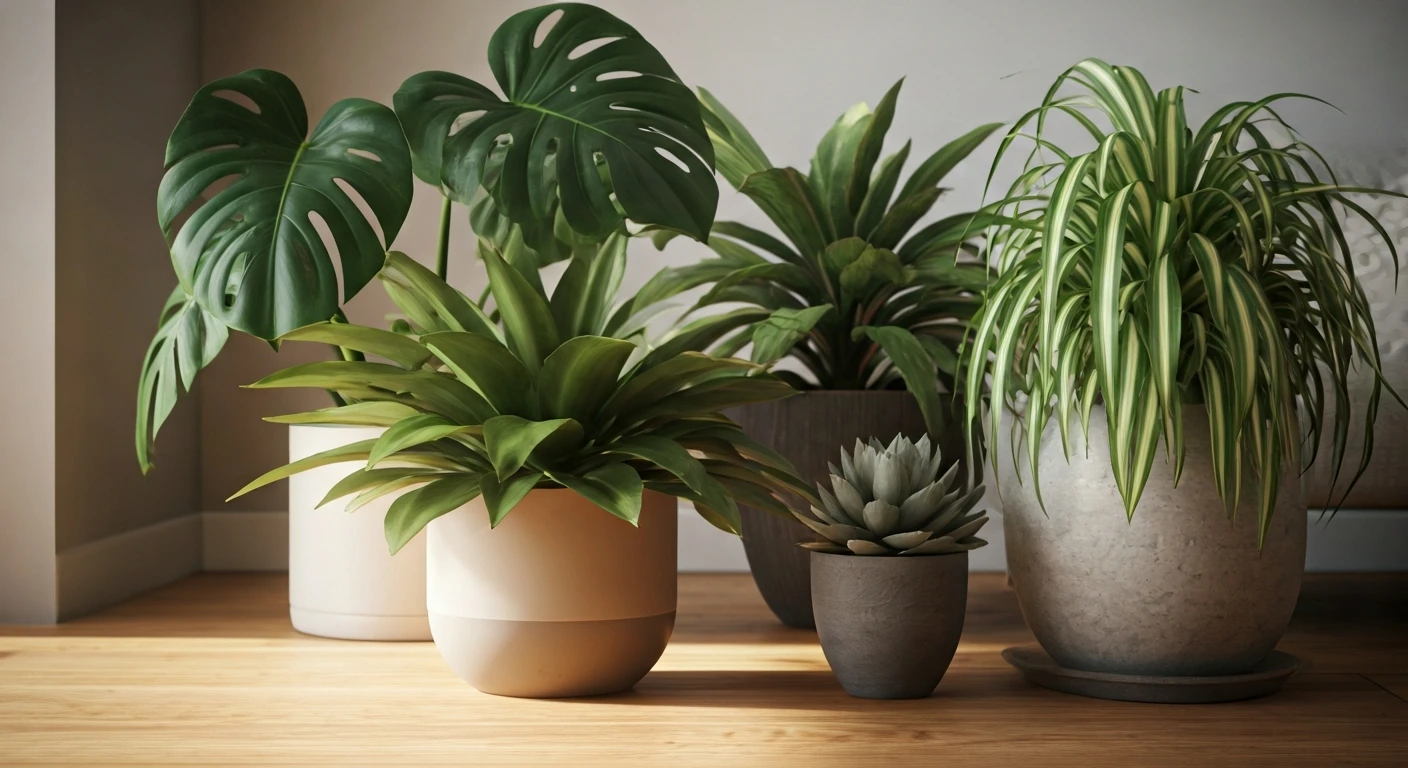
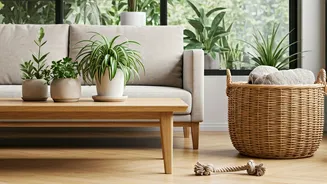
If you're starting your pet-friendly jungle, begin with the classics. The Spider Plant (Chlorophytum comosum) is the undisputed champion, famous for its air-purifying qualities and arching leaves that are non-toxic if nibbled. Similarly, the Boston Fern (Nephrolepis exaltata) offers lush, feathery fronds that add texture and humidity to a room, all while being completely safe for cats and dogs. Both are relatively easy to care for and create a timeless, verdant look. Place a Spider Plant on a high shelf to let its 'pups' cascade down, or use a Boston Fern to fill an empty corner with a splash of vibrant green.
For a Pop of Pattern and Color
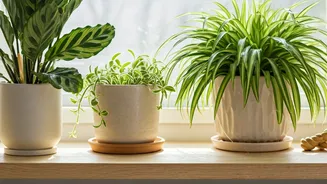
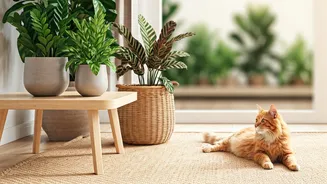
A pet-safe home doesn't have to be a boring one. Several plants offer stunning visual interest without the risk. The Prayer Plant (Maranta leuconeura) is a showstopper, with intricate, veined leaves that fold up at night as if in prayer. Its red, cream, and green patterns add a touch of the exotic. Another fantastic option is the Polka Dot Plant (Hypoestes phyllostachya), whose leaves look like they’ve been splattered with pink, white, or red paint. These plants tend to stay compact, making them perfect for tabletops or desks—just be sure they’re out of the way of a cat who likes to knock things over for sport.
Make a Statement with Pet-Safe Trees
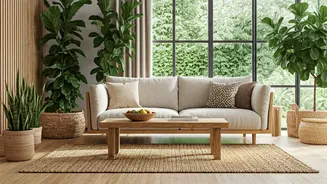
To create real 'jungle' vibes, go big. While the popular Fiddle Leaf Fig is notoriously toxic to pets, there are incredible large-scale alternatives. The Parlor Palm (Chamaedorea elegans) is a classic Victorian favorite for a reason: it's elegant, thrives in lower light, and is perfectly safe for curious pets. For a more tropical feel, consider a Banana Plant (Musa). Its enormous, paddle-like leaves create an instant vacation atmosphere, and the plant is non-toxic to both cats and dogs. A large statement plant can anchor a room, drawing the eye and making the space feel more intentional and grand.
The High-Shelf Strategy
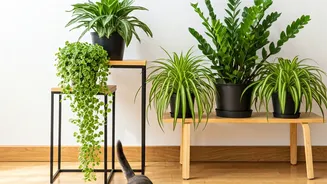
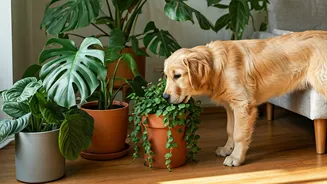
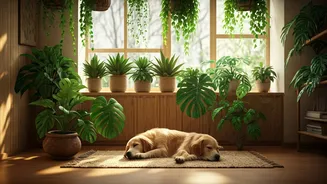
Let's be realistic: some pets are determined chewers. Even with non-toxic plants, you may not want your prized Calathea to become a salad bar. This is where strategic placement becomes a design tool. Use hanging planters to keep delicate ferns and vines far from reach. Floating shelves or high bookcases can become a stage for your plant collection, creating a beautiful 'green wall' effect that is safely out of a pet's path. This approach allows you to enjoy your plants as living art, protecting both them from your pet and your pet from the temptation to dig in the soil.
A Quick 'Never' List
While this is about what you *can* have, knowing what to avoid is critical. According to the ASPCA, many of the most popular houseplants are unfortunately toxic and should be kept out of homes with pets. This list includes all types of Lilies (extremely toxic to cats), Sago Palms, Snake Plants (Sansevieria), ZZ Plants (Zamioculcas zamiifolia), Pothos, and Philodendrons. Ingestion of these can cause everything from mild mouth irritation to severe vomiting, kidney failure, or worse. When in doubt, always look up a plant on the ASPCA's official plant list before bringing it home. It's the most important step in creating your shared sanctuary.