




An Invitation to Slow Down
We book vacations with an implicit pressure to *do*. Our itineraries are packed with hikes, museum visits, and reservations, a checklist of experiences to conquer before returning home. A sunny day demands action; its brightness seems to mock idleness.
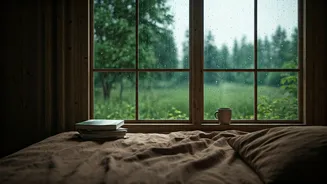
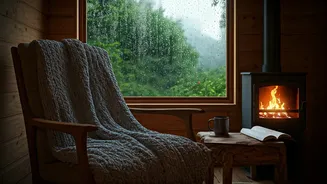
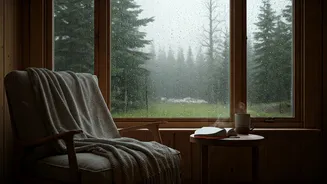
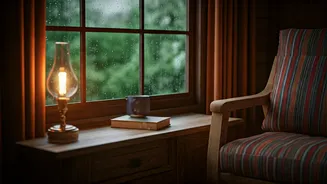
But rain offers a gentle, unassailable excuse to stop. It washes away the frantic need to be somewhere else and invites you to be right where you are. Suddenly, the homestay is no longer just a basecamp for your adventures; it becomes the destination itself. The overstuffed armchair you barely noticed is now the best seat in the house. The book you packed 'just in case' becomes your main event. Rain dissolves the tyranny of the schedule, forcing a slowdown that our over-stimulated lives rarely permit. This imposed stillness is the first step toward a more personal connection with your surroundings. You’re not just seeing a place; you’re inhabiting it.
The Comfort of the Enclosure
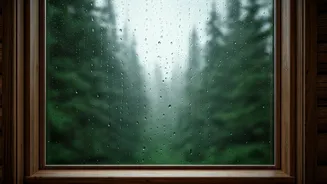
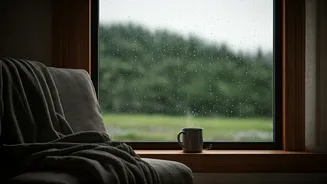
There's a primal comfort in being warm and dry while nature puts on a show outside. Watching rain streak down a windowpane from the safety of a cozy room creates a powerful psychological boundary between 'us' and 'it.' This feeling, elegantly captured by the Danish concept of *hygge*, is about creating an atmosphere of warmth, contentment, and security. A rainy day is a natural catalyst for it. The act of brewing tea, lighting a fire, or wrapping yourself in a blanket becomes a small ritual of self-care. The rhythmic drumming of rain on the roof provides a soothing, constant soundtrack that quiets the mind. The homestay transforms from a simple rental property into a genuine shelter, a sanctuary from the elements. This feeling of being protected and cared for fosters a deep sense of gratitude and peace, making the space feel less like a temporary lodging and more like a home, if only for a few days.
Seeing a Place in Full Color
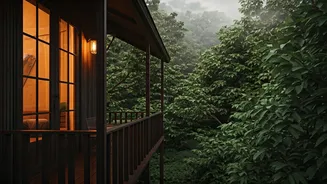
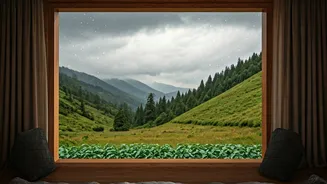
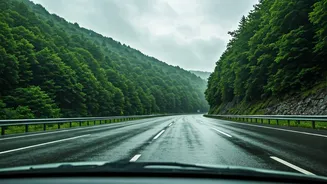
A destination's sunny-day persona is its most marketed, but often least revealing, self. It’s the glossy image on the postcard. Rain, however, reveals a place’s texture and mood. Colors deepen: the green of the forest becomes a saturated emerald, the gray of wet stone turns to silver, and city lights shimmer and bleed across slick asphalt in a way they never could on a dry night. You notice details that are otherwise lost in the glare of the sun. The intricate path water carves as it runs down a hill, the earthy smell of petrichor rising from the soil, the way fog nestles in a valley. Experiencing a place in its less-than-perfect weather is to experience it more completely. It’s an honest encounter, free from the pretense of perfection. This authenticity creates a far more durable and profound memory than a week of unbroken, generic sunshine ever could.
Turning Inward, Together
When the outdoors is no longer an option, we turn inward—both into the home and into ourselves. For those traveling with partners, family, or friends, a rainy day is an unplanned opportunity for connection. Without the distraction of a busy itinerary, conversation flows more easily. It’s a day for long talks over a shared meal, for resurrecting a dusty board game from a cupboard, or for simply sharing the quiet comfort of reading in the same room. These are the moments of unforced bonding that are often the most cherished parts of a trip. A sunny vacation can sometimes feel like a series of parallel, individual experiences. A rainy one forces a collective experience. The shared goal is no longer to 'see the sights' but to enjoy the moment together. This collaborative nesting strengthens relationships and builds a unique set of shared memories centered not on what you did, but on how you felt.