


A Sea of Milk in Goa
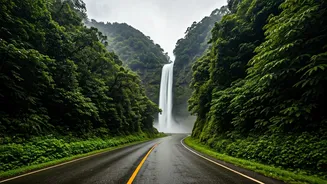
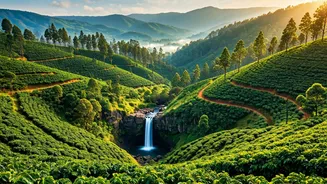
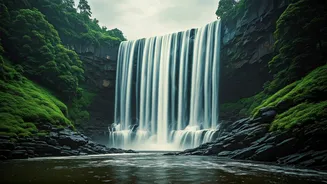
Deep within the lush, tropical forests of Goa on India's western coast lies one of the country's most spectacular natural wonders: Dudhsagar Falls. The name translates to “Sea of Milk,” a poetic description of the four-tiered cascade that, for much of the year,
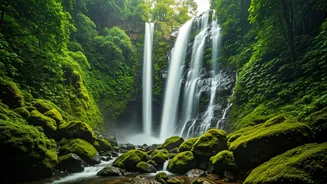
is a beautiful but relatively serene sight. The falls are born from the Mandovi River as it winds its way through the Bhagwan Mahaveer Sanctuary and Mollem National Park, a protected swath of the Western Ghats mountain range, a UNESCO World Heritage Site renowned for its biodiversity. During the dry season, the water splits into distinct, lacy streams that snake down a rock face nearly 2,000 feet high. It’s a postcard-perfect scene, but it’s only a hint of the raw power the falls truly possess.
The Monsoon's Dramatic Arrival
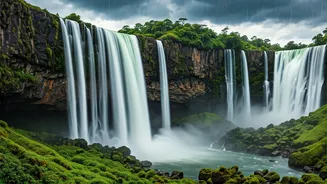
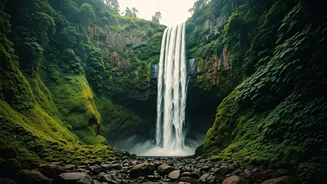
Everything changes in late June. As the annual southwest monsoon sweeps in from the Arabian Sea, it drenches the region in torrential downpours. The Mandovi River, fed by countless engorged tributaries, swells into a raging torrent. This is when Dudhsagar awakens and earns its name. The once-separate streams merge into a single, colossal curtain of white water, so voluminous and forceful that it looks like a massive tanker of milk being poured from the heavens. The gentle splash becomes a thunderous roar that echoes for miles through the valleys. The sheer volume of water atomizes into a cloud of mist that shrouds the base of the falls, soaking everything within a half-mile radius and sustaining the vibrant green canopy of the surrounding jungle. This transformation is the reason the headline rings true; the falls are not just flowing, they are roaring with the full, untamed power of the season.
The Train Through the Waterfall
Adding to the drama is an improbable feat of engineering: a railway line that cuts directly across the face of the falls. A stone arch bridge, built during the British colonial era, carries the South Western Railway route between Goa and Karnataka. For passengers on this train, the journey provides one of the most breathtaking views in the world of rail travel. As the train slows to cross the bridge, travelers are enveloped in the mist, with the deafening cascade just feet from their windows. For those watching from afar, the sight of a tiny train traversing this monstrous wall of water creates a surreal and iconic image, a perfect illustration of the tension between human endeavor and the overwhelming force of nature. It’s a picture many have seen online, a moment of sublime, almost unbelievable beauty that defines the Dudhsagar experience.
A Trek into Nature's Theater
Experiencing Dudhsagar at its peak isn't for the faint of heart. While the train offers a passing glimpse, reaching the base of the falls during the monsoon is an adventure in itself. The usual jeep tracks that ferry tourists through the national park are often washed out or closed for safety reasons, making access difficult and sometimes impossible. The most intrepid visitors embark on guided treks along the railway tracks or through muddy jungle paths, a challenging but rewarding journey. The reward is an unfiltered, multi-sensory experience: the feel of the cool spray on your skin, the earthy smell of the wet forest, and the humbling sight of the falls in their full, glorious rage. It's a powerful reminder of a world operating on a scale far grander than our own, a natural theater where the main event is a celebration of water, gravity, and raw, elemental power.