


The Bluebonnets of Texas Hill Country
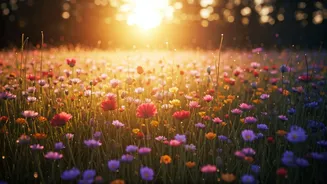
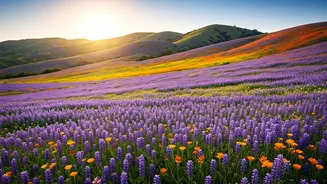
Every spring, a sea of deep blue washes over central Texas. The state flower, the bluebonnet, transforms rolling hills and roadside pastures into a painter's dream. This isn't just a handful of flowers; it's a statewide phenomenon. The prime viewing season
typically runs from late March through April, with towns like Brenham, Fredericksburg, and Marble Falls serving as popular hubs for bloom-seekers. The ultimate experience is a slow drive through the winding roads of Texas Hill Country, stopping for photos in designated fields where walking is permitted. For a concentrated dose of beauty, the town of Ennis, southeast of Dallas, is the "Official Bluebonnet City of Texas" and features over 40 miles of mapped driving trails during its peak season.
California's Elusive Desert Superbloom
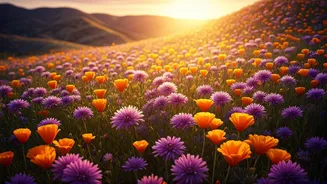
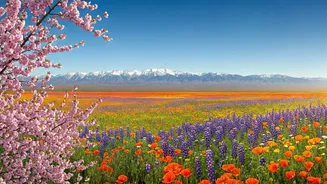
A 'superbloom' is the holy grail for wildflower enthusiasts. It’s a rare, above-average explosion of desert wildflowers that only occurs after a particularly wet autumn and winter. When conditions align, arid landscapes in places like Anza-Borrego Desert State Park, Death Valley National Park, and the Antelope Valley California Poppy Reserve erupt in dazzling carpets of gold, purple, and pink. Because it’s so dependent on rainfall, a true superbloom is unpredictable and doesn’t happen every year, which makes witnessing one a bucket-list event. If you hear whispers of a potential superbloom (usually from late February to April), be ready to act fast. It’s a fleeting spectacle of nature’s resilience and a powerful reminder of the beauty hidden in harsh environments.
The Tulip Fields of Washington's Skagit Valley
You don't need a passport to feel like you've been transported to the Netherlands. Each April, Washington's Skagit Valley, about 60 miles north of Seattle, bursts into millions of tulips. The Skagit Valley Tulip Festival is a month-long celebration where visitors can drive, walk, or bike through meticulously planted fields of rainbow-hued blooms. Farms like RoozenGaarde and Tulip Town offer stunning display gardens and sell bulbs for you to take home. The backdrop of the Cascade Mountains only adds to the magic. It’s a highly organized and accessible floral experience, perfect for families and anyone looking for that perfect, vibrant spring photo op. Just be sure to book accommodations early, as this festival draws crowds from around the world.
Appalachia's Rhododendron Tunnels
While many floral trails are about open fields, the Blue Ridge Parkway offers a different kind of immersion. In late spring and early summer, typically peaking in June, sections of this iconic scenic drive become framed by tunnels of blooming rhododendron and mountain laurel. The higher elevations of the mountains in North Carolina and Virginia explode with brilliant pinks, purples, and whites. One of the most famous spots is Craggy Gardens, just north of Asheville, North Carolina. Here, hiking trails lead you through dense thickets of Catawba rhododendrons, creating a truly magical, otherworldly atmosphere. It feels less like viewing a garden and more like stepping into an enchanted forest.
Washington, D.C.'s Iconic Cherry Blossoms
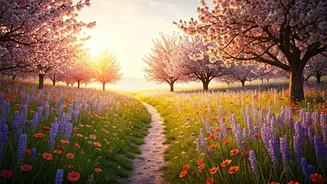
Perhaps the most famous floral pilgrimage in the United States, the blooming of the cherry blossoms in Washington, D.C., is an annual rite of spring. These trees, a gift of friendship from Japan in 1912, encircle the Tidal Basin, creating a delicate canopy of pale pink and white. The National Cherry Blossom Festival celebrates this spectacle for several weeks, but the 'peak bloom'—when about 70% of the blossoms are open—lasts only a few days. The timing varies with the weather but often falls between late March and early April. Walking among the blossoms with the Jefferson Memorial and Washington Monument in the background is a quintessential American travel experience, blending natural beauty with national history.