
The End of the Instagram-Perfect Look
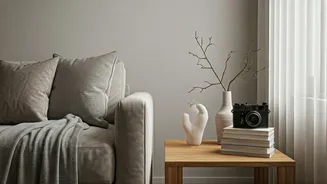
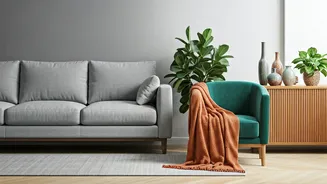
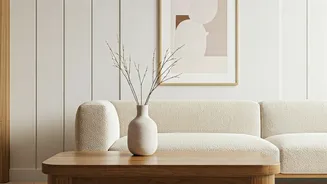
Remember the 2010s? It was the decade of the 'modern farmhouse' and the Scandinavian-inspired minimalist retreat. Walls were painted in 50 shades of gray, furniture was sleek and unobtrusive, and every surface was decluttered to the point of anonymity.
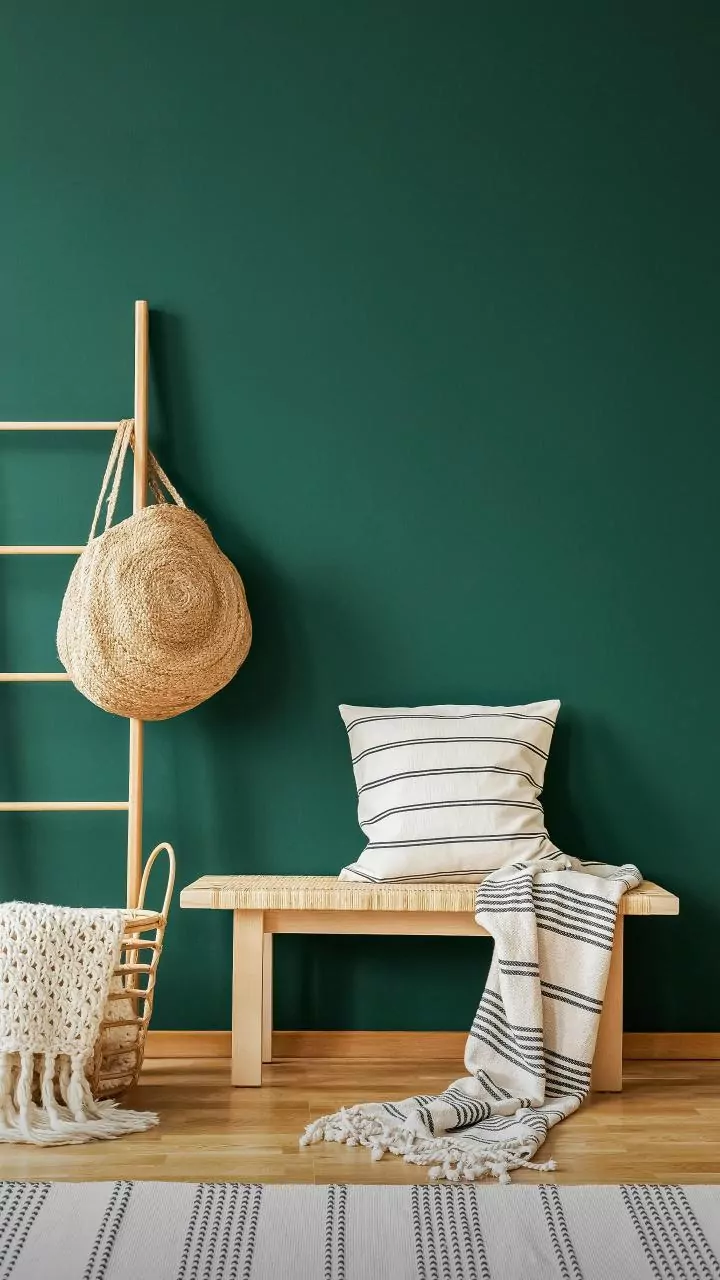
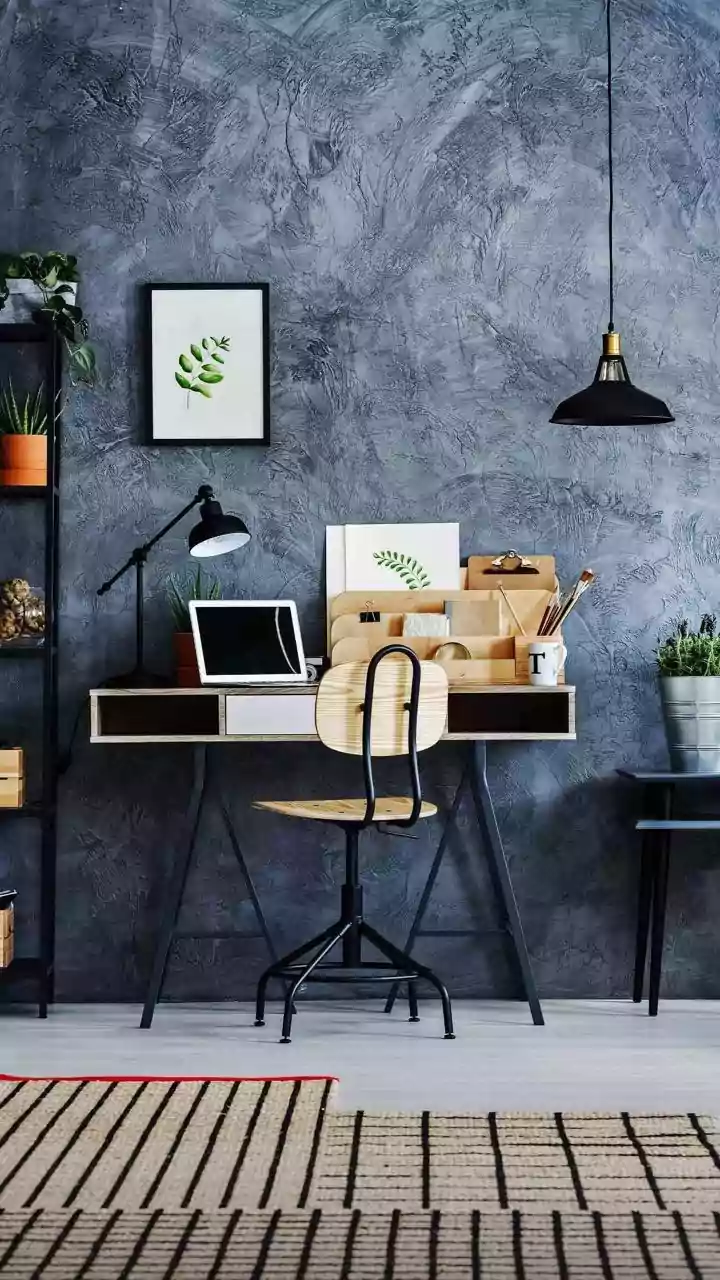
This aesthetic, heavily promoted on Instagram and Pinterest, became the default for 'good taste.' The goal was a polished, professional-looking space that was universally appealing but rarely personal. It was a home designed for an imaginary audience, ready for its close-up at a moment's notice. But a quiet fatigue has been setting in. Critics of this style have dubbed it 'sad beige' or 'the gray-ge era,' pointing out that while these homes are clean and orderly, they often lack warmth, character, and a sense of the people who actually live there. This backlash isn't just about aesthetics; it’s a reaction against the pressure to present a flawless, curated life, starting with the four walls you live within.
Enter 'Dopamine Decor' and 'Cluttercore'
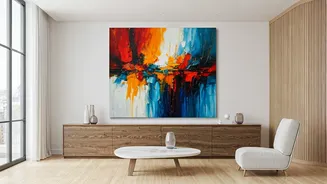
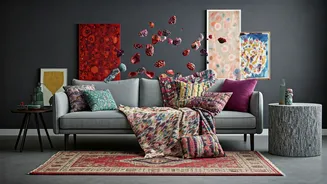
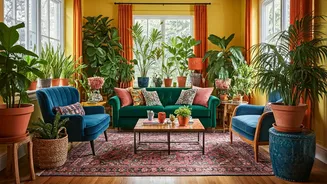
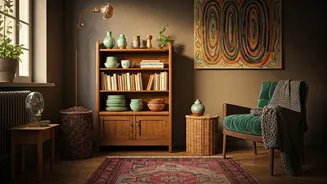
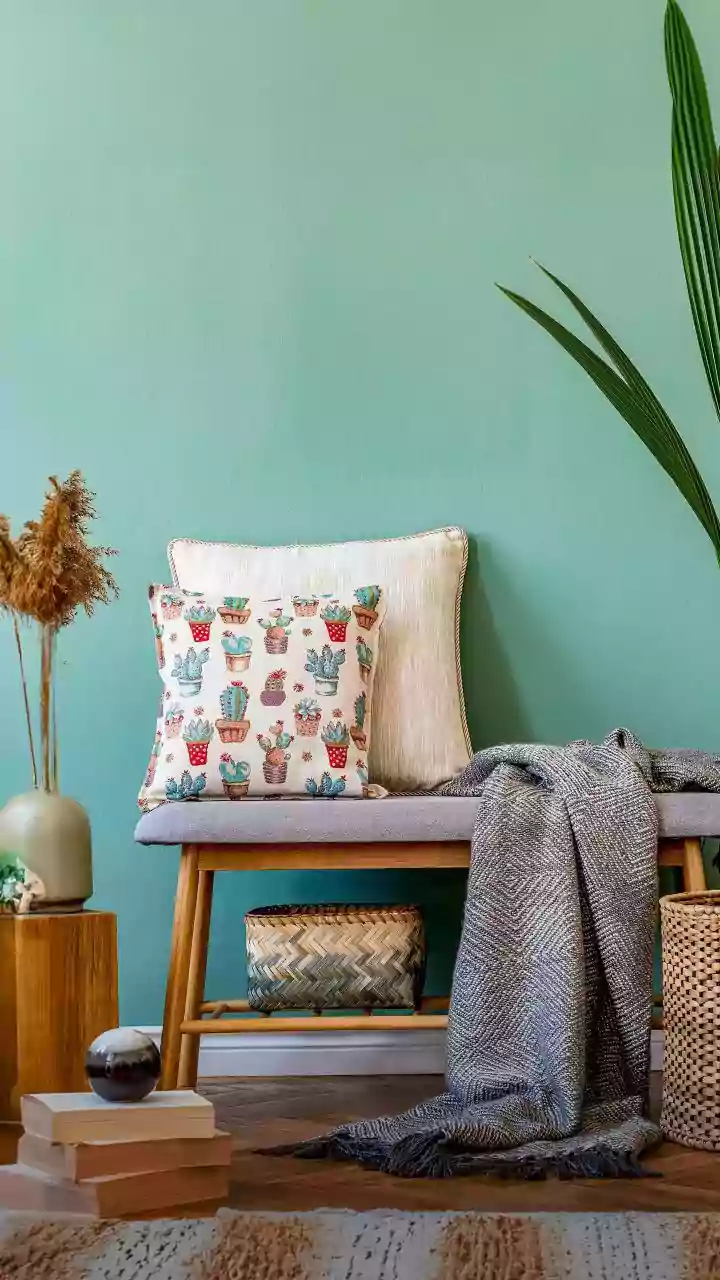
In place of muted palettes, a new philosophy is taking hold: 'dopamine decor.' The idea is simple: surround yourself with colors, textures, and objects that make you happy. This isn't about following a specific rulebook but about listening to your own gut. It could mean painting a living room a vibrant cobalt blue, collecting mismatched vintage glassware, or hanging a gallery wall of quirky art, family photos, and children's drawings. It’s about creating a sensory experience that brings a jolt of joy. Hand-in-hand with this is the rise of 'cluttercore,' a term that celebrates the beauty of a well-loved, well-lived-in space. This is not about hoarding or messiness for its own sake. Rather, it’s a mindful curation of personal belongings. It’s the stack of books on your nightstand, the souvenirs from your travels on a shelf, and the collection of coffee mugs that don't match but each tell a story. It’s the visible evidence of a life being lived, not just staged.
Why Now? A Post-Pandemic Shift
The pandemic acted as a massive catalyst for this change. Forced to spend unprecedented amounts of time at home, people began to see their living spaces differently. A home wasn't just a place to crash after work; it had to function as an office, a school, a gym, and a sanctuary. The sterile, showroom-like aesthetic suddenly felt cold and impractical. This extended lockdown prompted a collective re-evaluation of what makes a home feel good. Comfort, coziness, and personal meaning became top priorities. People started projects, dug out old family heirlooms, and realized they wanted their environment to reflect their inner world, not a generic trend. The home became a cocoon, and we wanted that cocoon to be a true reflection of us—quirks and all. This desire for authenticity is a direct rebellion against the performative perfection that defined pre-pandemic social media culture.
Your Home as a Story, Not a Showroom
Ultimately, this trend is about shifting the purpose of a home from a product to be displayed to a story to be told. A polished home can be bought in a weekend from a big-box store. A personal home is built over time. It’s layered with memories, experiences, and objects that have personal significance. It’s the worn armchair you inherited from your grandmother, the slightly-chipped vase you bought on your honeymoon, the bold wallpaper that just makes you smile every time you see it. This approach democratizes good design. It suggests that you don't need a massive budget or a professional decorator to have a beautiful home. You just need to be yourself. It gives you permission to trust your own taste, to mix high-end with thrift store finds, and to create a space that supports your life instead of just looking good in a photo. The most stylish thing you can have, it turns out, is a home that feels uniquely yours.