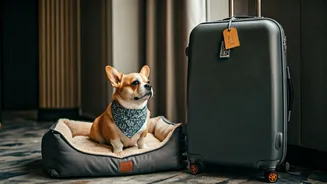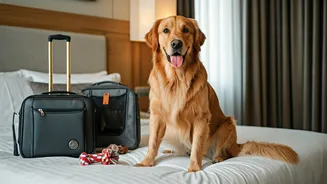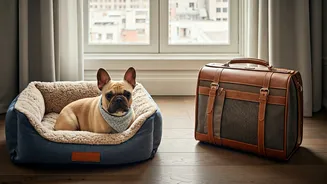





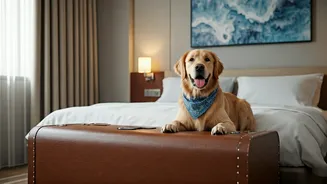

From Cargo Hold to Cabin Class
For decades, traveling with a pet was a logistical nightmare relegated to necessity. It meant navigating complex cargo rules, worrying about your animal’s safety in the belly of a plane, and finding the rare, slightly grim motel on the outskirts of town
that would tolerate their presence. Today, that picture has been completely repainted. The modern urban pet traveler isn’t stuffing a golden retriever into the back of a station wagon for a trip to a national park. They’re booking a seat for their French bulldog in the main cabin, checking into a Kimpton hotel known for its legendary pet perks, and documenting the entire experience for thousands of followers. This shift reflects a deeper change in our relationship with pets. As more millennials and Gen Zers delay or opt out of having children, their animals have become the primary recipients of their nurturing instincts and disposable income. The American Pet Products Association reports that spending on pets has skyrocketed, with a significant portion dedicated to premium services that mimic human experiences. Travel is simply the next frontier in the “pet humanization” trend.
The Economics of the Four-Legged Flex
Make no mistake, this lifestyle is a “flex” precisely because it isn't cheap or easy. It’s a quiet declaration of financial comfort and logistical mastery. First, there’s the cost. Airlines typically charge $100-$150 each way for a pet to fly in the cabin. High-end hotels that roll out the red carpet for animals often charge non-refundable pet fees of $75 to $200 per stay. While they might throw in a custom dog bed and a bowl, the fee is essentially a cover charge for your pet’s presence. Then there’s the gear. The stylish, airline-compliant carrier that fits under the seat can cost more than the human’s carry-on. Add in travel-sized water bowls, anxiety-reducing CBD treats, and maybe even a pre-travel grooming appointment, and the costs multiply. Choosing to absorb these expenses for a non-human companion signals that you have the resources and mental bandwidth to spare. It’s a subtle performance of abundance in a world where many are just trying to afford their own ticket.
The Curated Canine Experience
The travel industry, never one to miss a lucrative trend, has leaned in hard. It's no longer just about being “pet-tolerant” but “pet-welcoming.” Boutique hotel chains now compete on the quality of their pet amenities. You'll find properties offering everything from “yappy hour” socials with complimentary “puppuccinos” to curated city guides highlighting the best dog parks and pet-friendly restaurant patios. Some even offer in-room pet menus with options like grilled salmon or steak tartare. This level of service transforms a simple trip into a curated experience for the animal. It allows the owner to feel like a conscientious, generous provider. When a hotel concierge can arrange a dog walker or point you to a nearby pet bakery, it reinforces the idea that your pet isn't just an accessory to your travel; they are a co-traveler whose enjoyment is a top priority.
Performing Pet Parenthood Online
Of course, a flex isn't a flex unless people see it. The rise of pet-friendly travel is inextricably linked to social media. A photo of a corgi in a tiny hotel bathrobe or a cat gazing out a high-rise window is guaranteed digital gold. It combines two of the internet’s favorite things: cute animals and aspirational lifestyles. For the pet owner, it’s a way to perform their identity as a caring, successful, and adventurous person. The narrative is powerful: “I am so competent that I can navigate the complexities of air travel with a living creature, and I am so financially secure that I can provide it with a luxury experience.” Every tagged photo at a chic café or scenic overlook reinforces this image. The pet becomes a furry, lovable extension of the owner’s personal brand, signaling a life of joy, freedom, and impeccable taste.