






The 15-Minute Fitness Fix
Across India’s bustling cities, the concept of a workout is being redefined. The traditional model—a pre-dawn run or a post-work trip to a crowded gym—is giving way to something far more agile: the micro-workout. These are short, intense, and highly efficient
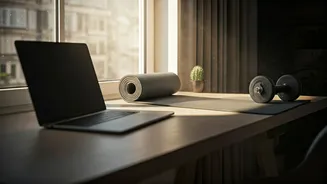
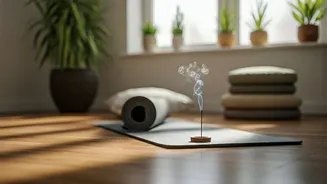
bursts of activity, ranging from 10-minute yoga flows and 15-minute high-intensity interval training (HIIT) circuits to 7-minute guided meditations. Performed in living rooms, home offices, and even on balconies, these brief sessions are designed for maximum impact in minimum time. This isn't about laziness; it's about efficiency. The goal is no longer endurance for its own sake, but maintaining physical and mental well-being amidst a demanding and unpredictable schedule. Fitness is being broken down into convenient, snackable components that can be consumed on-demand, much like a social media feed or a short-form video.
Driven by the New Flexible Workplace
The primary engine behind this trend is the radical transformation of the Indian workplace. While the U.S. grapples with return-to-office mandates, India's massive tech and service industries have leaned heavily into hybrid and remote models. This has created a new class of 'flexible professionals' who may have more autonomy over their location but often face longer, more fragmented workdays. The clear-cut nine-to-five is gone, replaced by a fluid schedule that blends personal and professional time. Early morning calls with U.S. clients and late-night check-ins with Asian counterparts can make a fixed, two-hour workout block an impossible luxury. For this workforce, fitness must adapt to the schedule, not the other way around. Short workouts are the perfect solution, offering a way to de-stress, re-energize, and reclaim a few minutes of personal time in a day that feels boundless.
Tech is the Personal Trainer
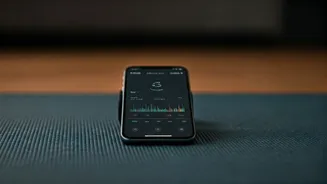
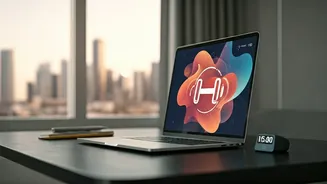
This movement would be impossible without technology. India has one of the largest and most mobile-first internet user bases in the world. This has fueled a boom in 'fitness-tech' platforms that are perfectly positioned to serve the flexible worker. Companies like Cult.fit (formerly Cure.fit), a dominant player in the Indian market, have built entire ecosystems around on-demand fitness. Their apps offer vast libraries of short, guided workouts led by charismatic trainers, catering to every possible need—from post-lunch stretches to pre-deadline breathing exercises. These platforms provide the structure and motivation that might otherwise be lacking in a home setting. They've successfully gamified exercise, creating a sense of community and progress that keeps users engaged without requiring the commitment of a physical gym. For a monthly fee less than the cost of a few drop-in classes, users get a virtual personal trainer in their pocket, ready whenever they have a spare 20 minutes.
A Glimpse of the Global Future
While this trend is accelerating in India, it's not a uniquely Indian phenomenon. It’s a preview of where work and wellness are heading globally. As more U.S. companies embrace flexible work arrangements, they face the same challenge: how to support employee well-being when the workforce is scattered and schedules are fluid. The old model of a corporate gym or subsidized memberships is becoming less relevant. The Indian example suggests the future lies in empowering employees with tools that allow them to integrate wellness into their lives on their own terms. For American businesses, this means thinking beyond traditional perks and considering partnerships with digital health platforms, encouraging 'movement breaks,' and fostering a culture that recognizes that a 15-minute workout is not a distraction, but a vital tool for productivity and resilience in the modern workplace.