
Why Your Plants Die (It's Not Personal)
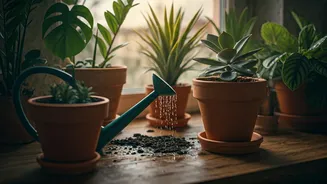
For most new plant parents, the cause of death is almost always water-related. Soil is a tricky medium. It looks dry on top but might be a swamp at the bottom. Or it dries out completely in two days, while the label said “water weekly.” This guessing
game leads to root rot (too much water, not enough oxygen) or dehydration (too little water). Add in potential soil-borne pests and compaction over time, and you have a dozen secret variables working against you. Soil’s biggest flaw is that it hides what’s happening at the roots, turning care into a frustrating exercise in trial and error.
The Soilless Solution: Take Back Control
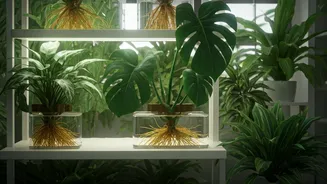
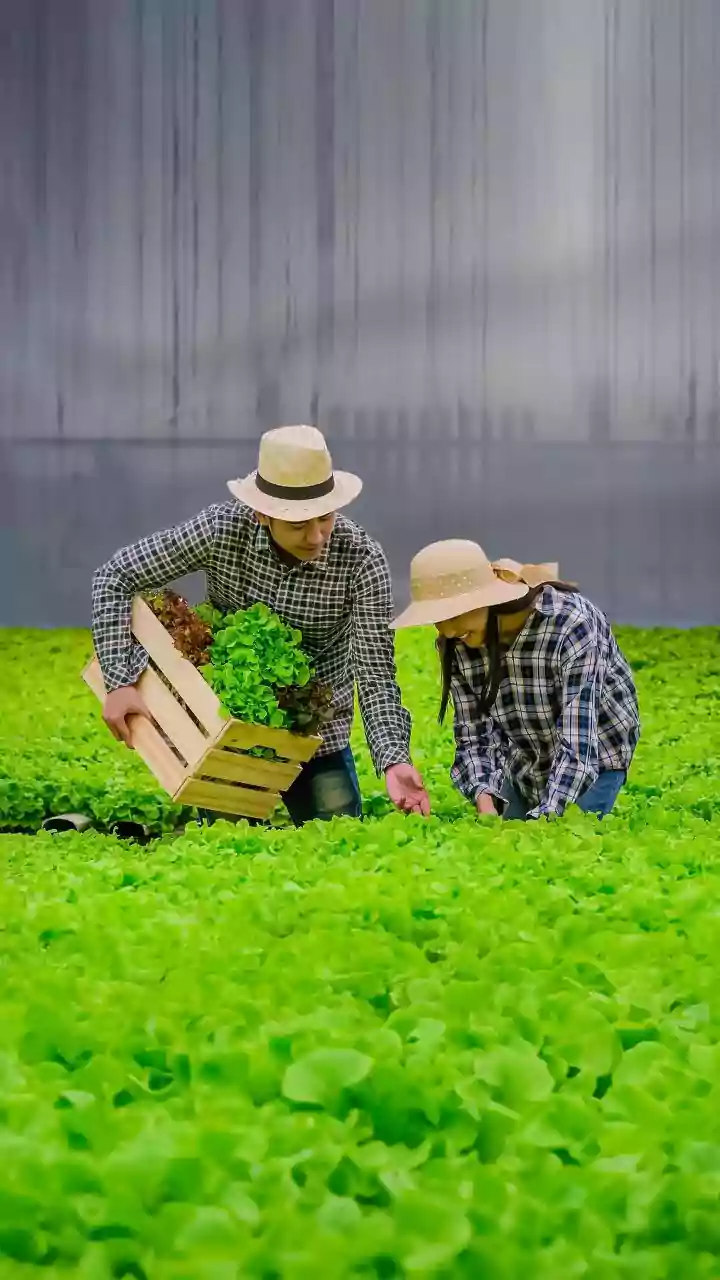
Soilless growing, also known as hydroculture, removes the guesswork by eliminating soil altogether. Instead, plants are grown in water or an inert medium like clay pebbles or perlite. This gives you direct control over the two most critical factors: water and nutrients. There's no over- or under-watering because you can literally see the water level. The roots get exactly what they need, when they need it. This method isn't just for futuristic farms; it’s an incredibly accessible and often easier way to maintain vibrant houseplants at home. It’s cleaner, less prone to pests, and for a chronic plant killer, it’s a game-changer.
Option 1: Passive Hydro with LECA
The most popular entry point into the soilless world is passive hydroponics using Lightweight Expanded Clay Aggregate (LECA). These are little, airy clay balls that don't break down. You pot your plant in a container with LECA instead of soil. This container then sits inside a larger, water-filled reservoir. The LECA wicks the perfect amount of water up to the roots, providing constant, gentle hydration and excellent airflow. Root rot becomes nearly impossible. Converting a plant from soil to LECA takes a little effort upfront—you have to thoroughly clean the roots—but the low-maintenance results are worth it for anyone tired of the watering dance.
Option 2: The Minimalist's 'Just Water' Method
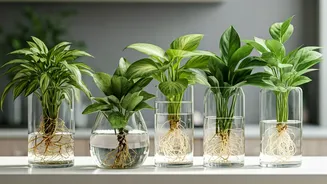
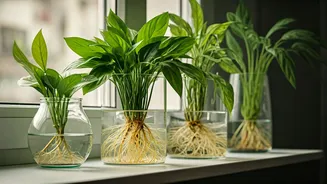
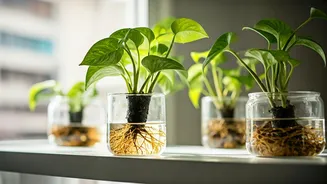
The absolute simplest way to start is by growing plants directly in water. You've seen it: a sprig of something green in a pretty vase on a windowsill. Many common houseplants, especially vining species like Pothos, Philodendron, and Monstera adansonii, will happily live and grow in a simple jar of water for years. The key is to change the water weekly to keep it oxygenated and clean, and to add a few drops of a liquid hydroponic fertilizer every month or so. It's the lowest barrier to entry and offers a clean, modern aesthetic.
Option 3: Foolproof Countertop Hydroponic Kits
If you want a truly set-it-and-forget-it experience, consider a countertop hydroponic system. These all-in-one kits manage everything for you. They come with a built-in water reservoir, a pump to circulate oxygen and nutrients, and an automated grow light on a timer. You simply pop in the seed pods (often for herbs or lettuces, but some models support flowering plants), fill the reservoir, and add the nutrient solution. The machine does the rest, alerting you when it’s time for a refill. It's technology designed to defeat even the most determined plant killer.
The One Thing You Can't Forget
Soil contains trace nutrients, but water and LECA have none. This means you *must* provide food for your plant. Regular houseplant fertilizer won’t cut it and can burn the roots in a soilless system. You will need a specially formulated hydroponic nutrient solution. These contain all the micro and macronutrients your plant needs to thrive. It’s a non-negotiable part of the process, but it’s as simple as adding a few drops or a capful to the water every week or two.