



1. Treat Your Scalp Like Your Skin
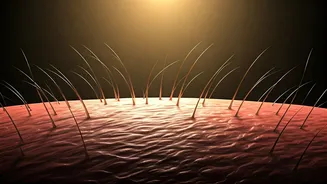
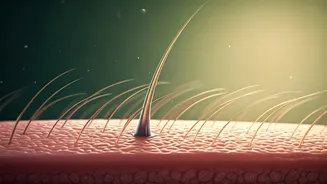
We often forget that healthy hair is a harvest, and the scalp is the soil. If your scalp is clogged, irritated, or dry, your hair will show it. The easiest way to improve scalp health is to give it the same consideration you give your face. When you shampoo,
use the pads of your fingers—not your nails—to gently massage your scalp. This not only cleanses effectively but also boosts circulation, which can encourage healthy growth. Don't scrub your hair into a tangled mess; the main event is cleaning the scalp, where oil and product build up. The suds that run down the strands are enough to clean the rest of your hair without stripping it.
2. Wash Smarter, Not Harder
There's no universal rule for how often to wash your hair, but a simple principle applies: wash as often as you need to, but do it gently. Using scalding hot water can strip your scalp and hair of its natural protective oils, leaving it dry and brittle. Instead, opt for lukewarm water. Apply shampoo primarily to the roots and conditioner primarily to the mid-lengths and ends. This simple trick ensures you’re cleaning the oiliest part (the scalp) and moisturizing the oldest, most fragile part (the ends) without weighing down your roots. After conditioning, a quick cool rinse can help seal the hair cuticle, adding a boost of shine.
3. Turn Down the Heat
If there's one villain in the story of hair damage, it's excessive heat. High temperatures from blow dryers, flat irons, and curling wands can boil the water within your hair strands, creating tiny, damaging bubbles inside the hair shaft. Over time, this leads to breakage, split ends, and a dull appearance. The easy fix? Use heat less often, and when you do, turn down the temperature. Most modern tools don't need to be on the highest setting to be effective. Always use a heat protectant spray, and never, ever use hot tools on damp hair. Even letting your hair air dry 80% of the way before finishing with a dryer on a low-heat, low-speed setting makes a massive difference.
4. Handle With Care (Especially When Wet)
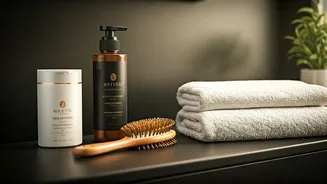
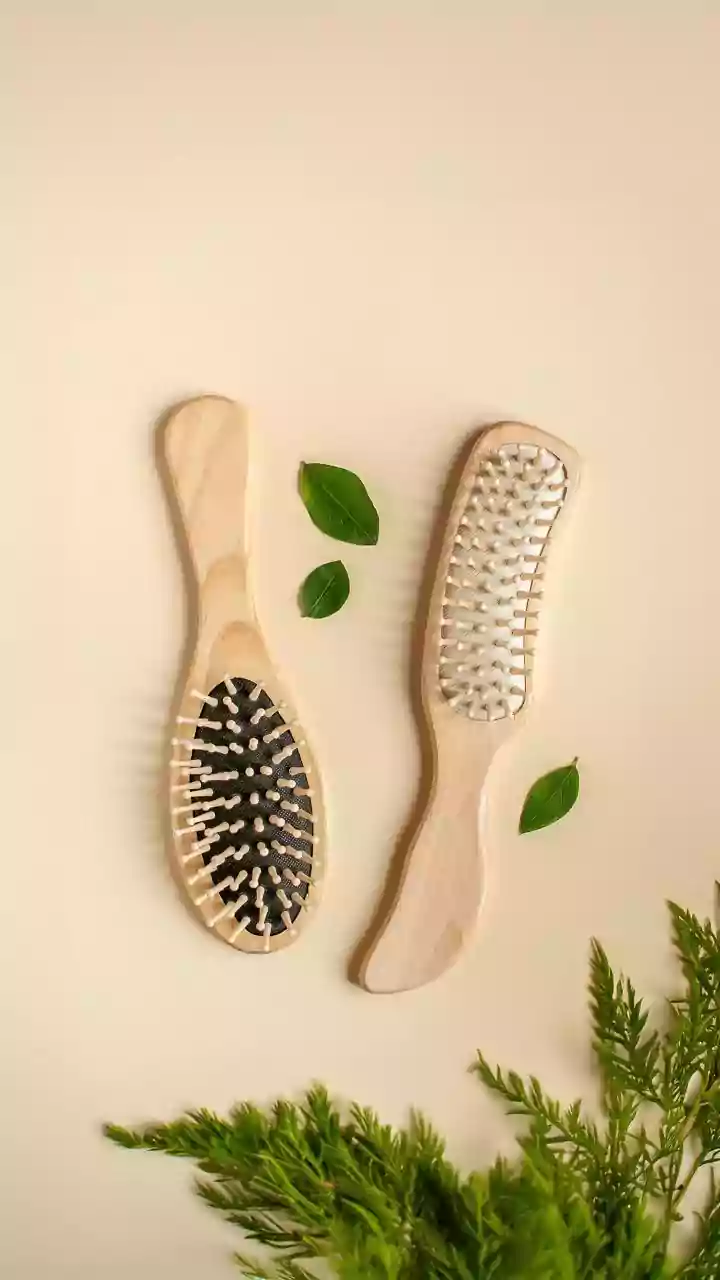
Your hair is at its most vulnerable when it's wet. The water swells the hair shaft, making it more elastic and far more susceptible to snapping. That vigorous towel-rubbing you do post-shower? It’s a major cause of frizz and breakage. Instead, gently squeeze or blot your hair with a soft towel (a microfiber towel or even an old t-shirt is best). When it comes to detangling, start from the bottom and work your way up using a wide-tooth comb. This method prevents you from yanking a knot from the top all the way down, creating a bigger tangle and breaking strands along the way. This gentle approach extends to hairstyles—avoiding constantly tight ponytails or buns can reduce tension and breakage around the hairline.
5. Feed Your Hair From the Inside
While topical products can protect your hair's exterior, the building blocks for strong strands come from your diet. Hair is primarily made of a protein called keratin, so ensuring you get enough protein from sources like eggs, lean meats, fish, nuts, and beans is crucial. Other key nutrients include iron, which helps red blood cells carry oxygen to your follicles, and biotin, found in foods like salmon and avocados. You don't need to buy expensive, exotic supplements. A balanced, common-sense diet rich in vitamins and minerals is the most effective and “easy” way to support your hair's long-term health from its very foundation. Hydration matters, too—so don't forget to drink enough water.