





A Landscape Torn From A Storybook
Ranthambore National Park is not your typical lush, green jungle. Instead, it presents a dramatic, almost theatrical stage. The landscape is a canvas of dusty scrubland, dry deciduous forests, and serene lakes that shimmer like mirages under the Rajasthani
sun. Dotted throughout are ancient banyan trees with roots that seem to grip centuries of secrets. But what truly sets the scene are the ruins. Crumbling cenotaphs, abandoned guard posts, and vine-choked pavilions are scattered across the terrain, remnants of a bygone era of maharajas and Mughal conquerors. It’s a place where you half-expect to see a royal procession from the past emerge from the trees, until the roar of a very different kind of royalty reminds you exactly where you are.
Enter the Apex Predator
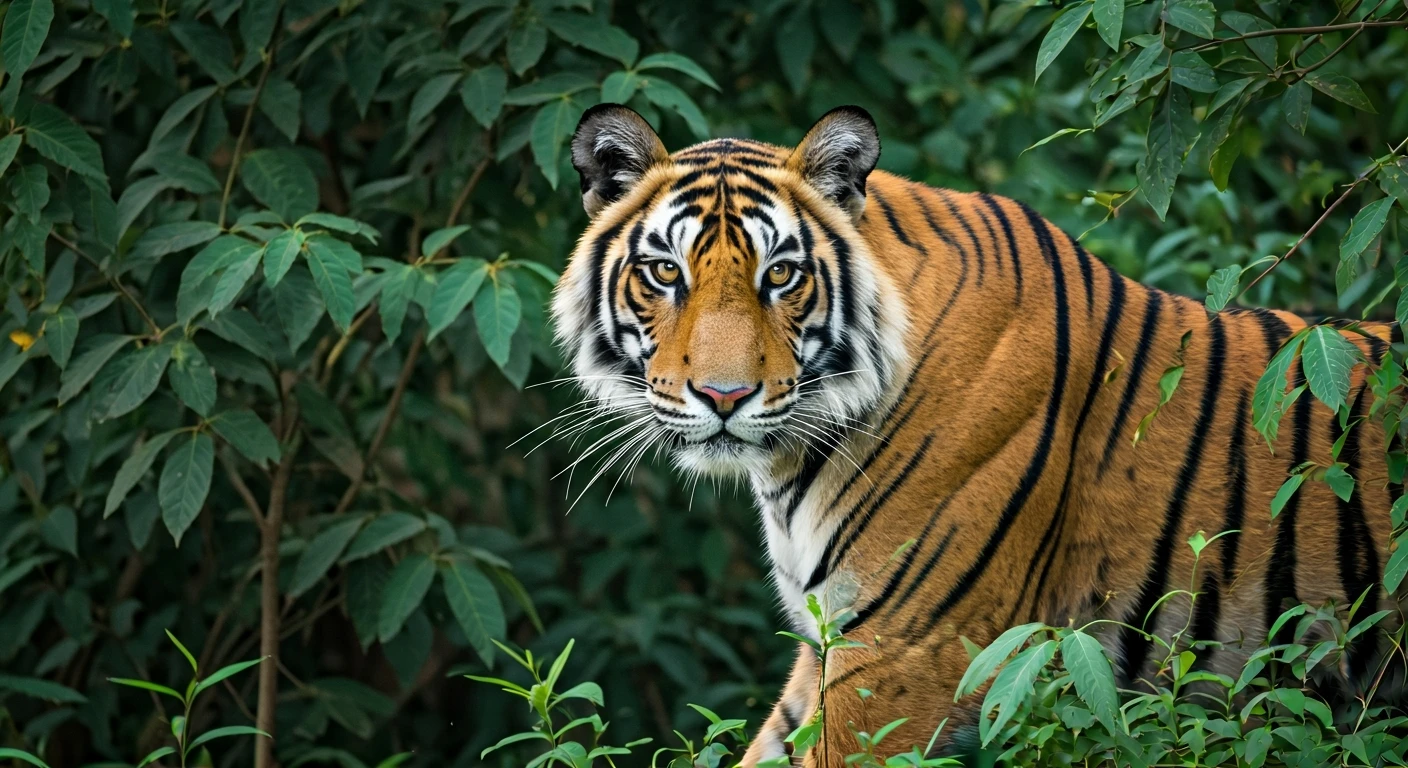
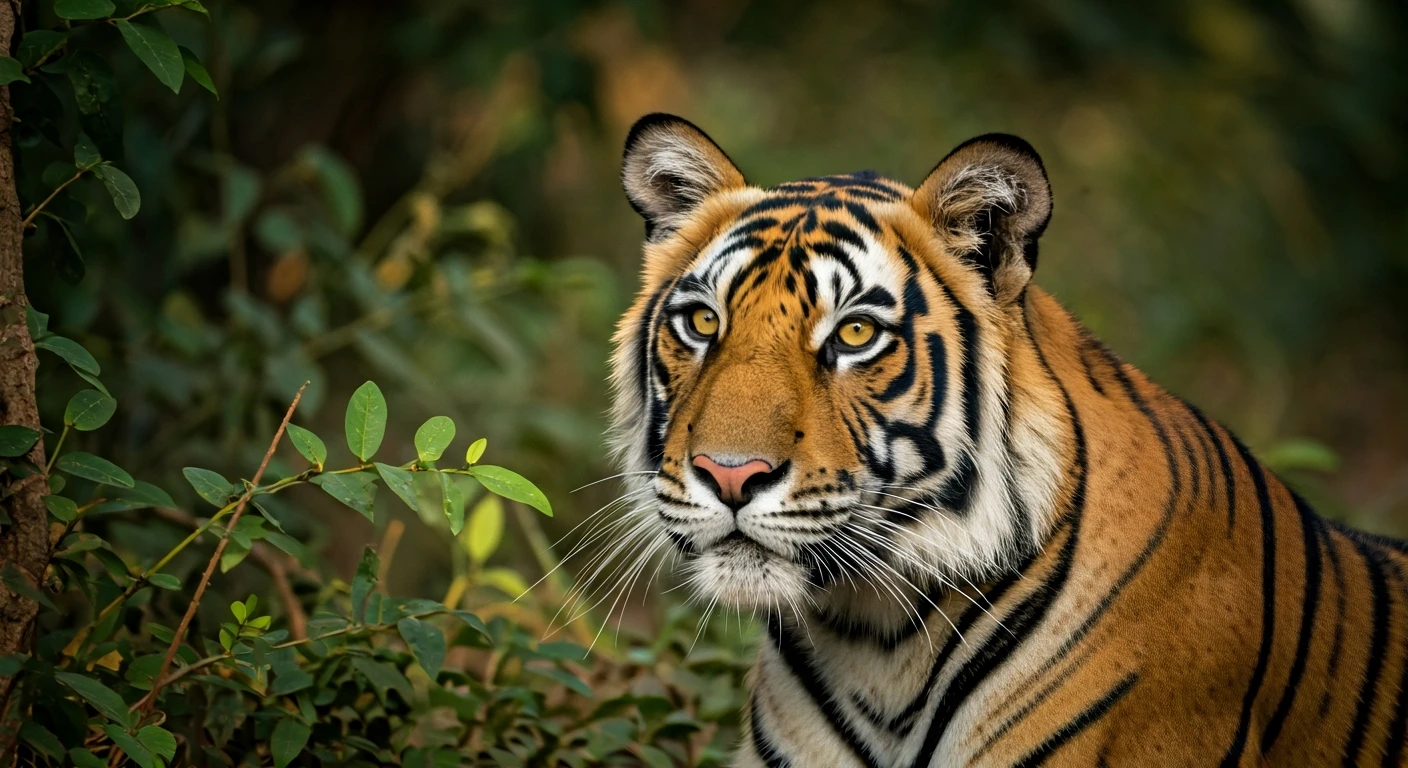
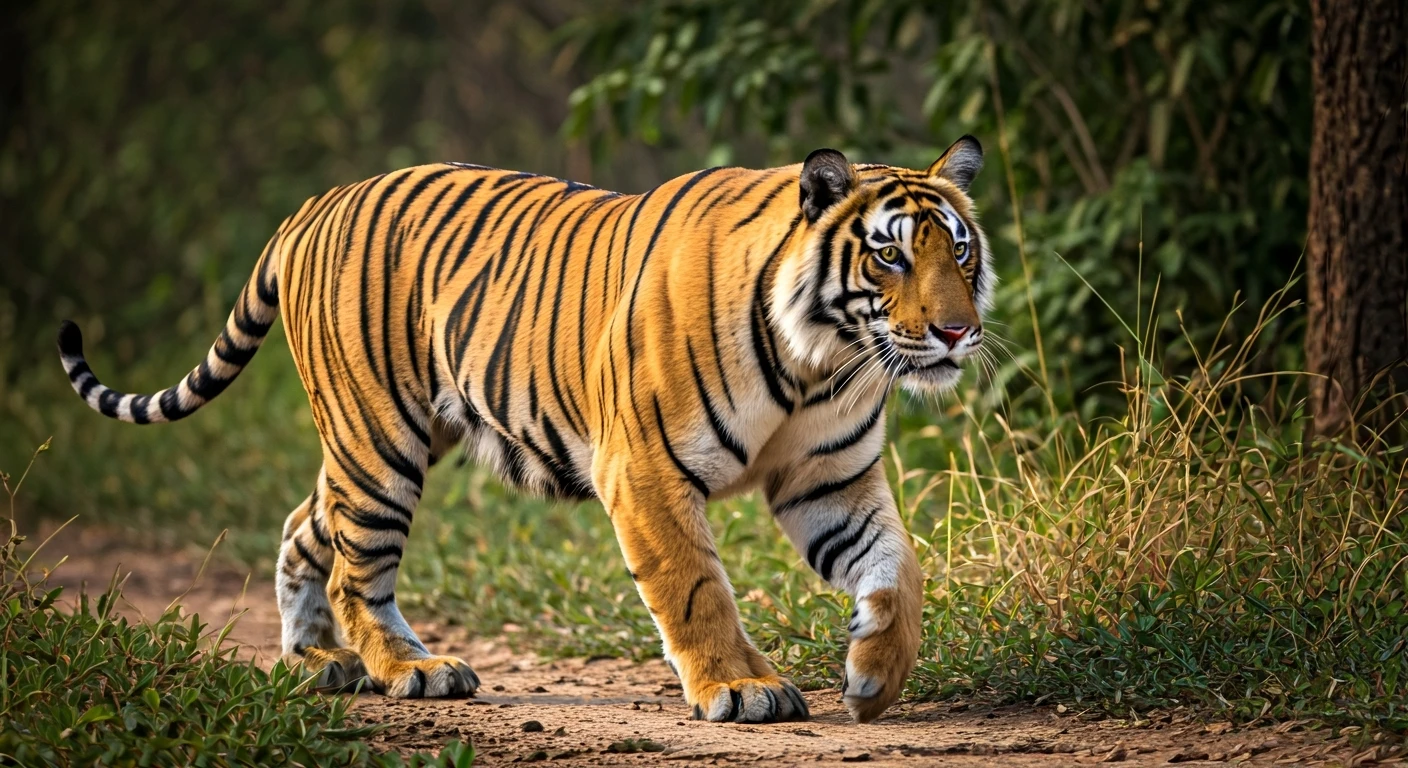
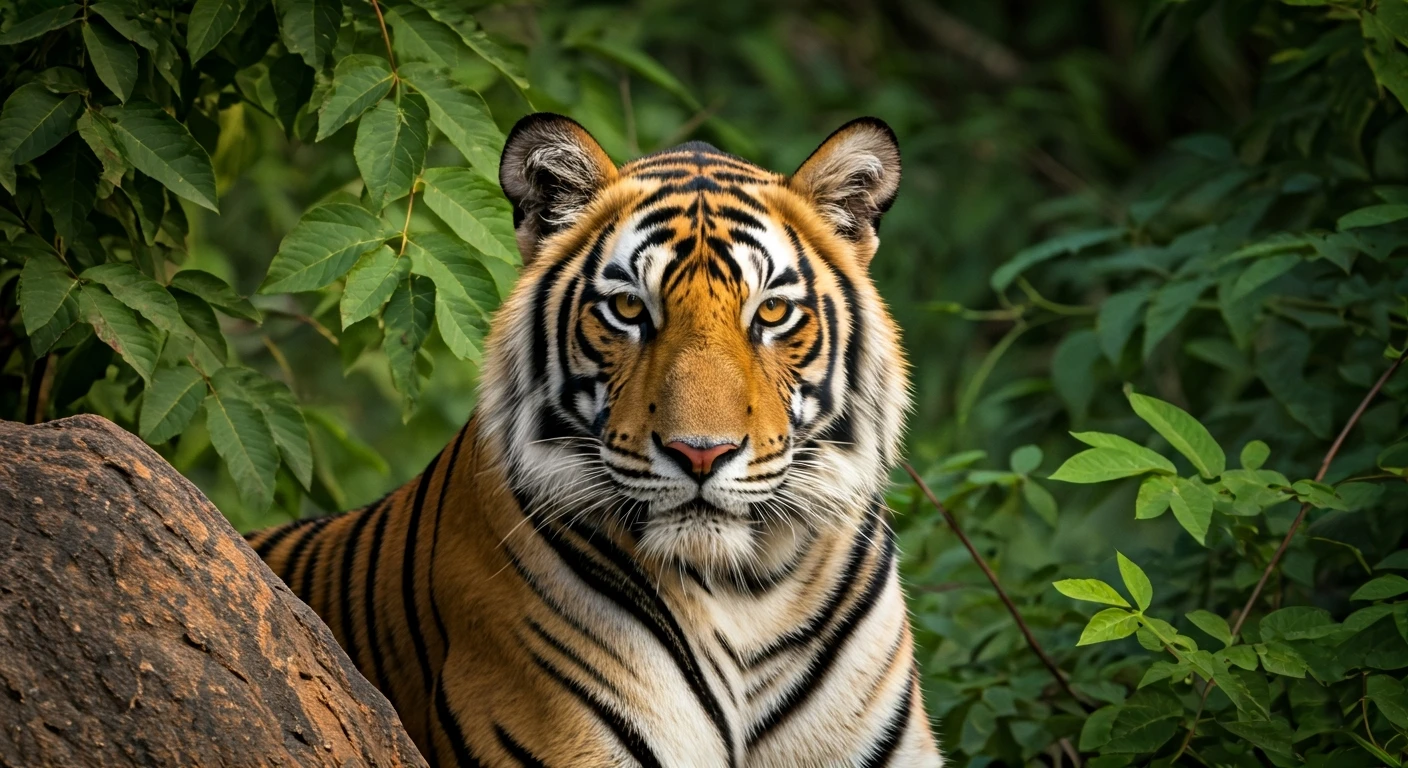
The true star of Ranthambore is, without question, the Bengal tiger. A safari here is an exercise in thrilling anticipation. The open-topped gypsy vehicle bounces along dusty tracks as guides and trackers scan for paw prints and listen for the tell-tale alarm calls of deer and monkeys. The search can be long and quiet, building a palpable tension. And then, it happens. A flash of orange and black emerges from the tall grass, muscles rippling. Seeing a tiger in the wild is a primal experience. They move with an effortless confidence, a quiet power that commands the entire landscape. Ranthambore's tigers are particularly famous, often given names and followed by generations of wildlife enthusiasts. They are not just animals; they are characters in a long-running drama, like the legendary queen Machli, who became a global icon for her strength and resilience.
The Silent, Towering Co-Star
Looming over the entire park is the Ranthambore Fort, a colossal 10th-century stronghold and UNESCO World Heritage site. This is the park’s silent, stoic co-star. Driving up to its massive gates feels like traveling back in time. The fort has witnessed centuries of battles, sieges, and royal intrigue. It was a strategic outpost for Rajput kings and later fell to Mughal emperors. Today, its battlements, temples, and palaces are slowly being reclaimed by nature. Monkeys skitter along walls that once held sentries, and peacocks fan their iridescent tails in courtyards where royalty once strolled. The fort isn't just a historical artifact; it's an integral part of the ecosystem. It provides dens for leopards, vantage points for birds of prey, and a constant, powerful reminder that human empires are fleeting, while nature endures.
Where History and Wilderness Collide
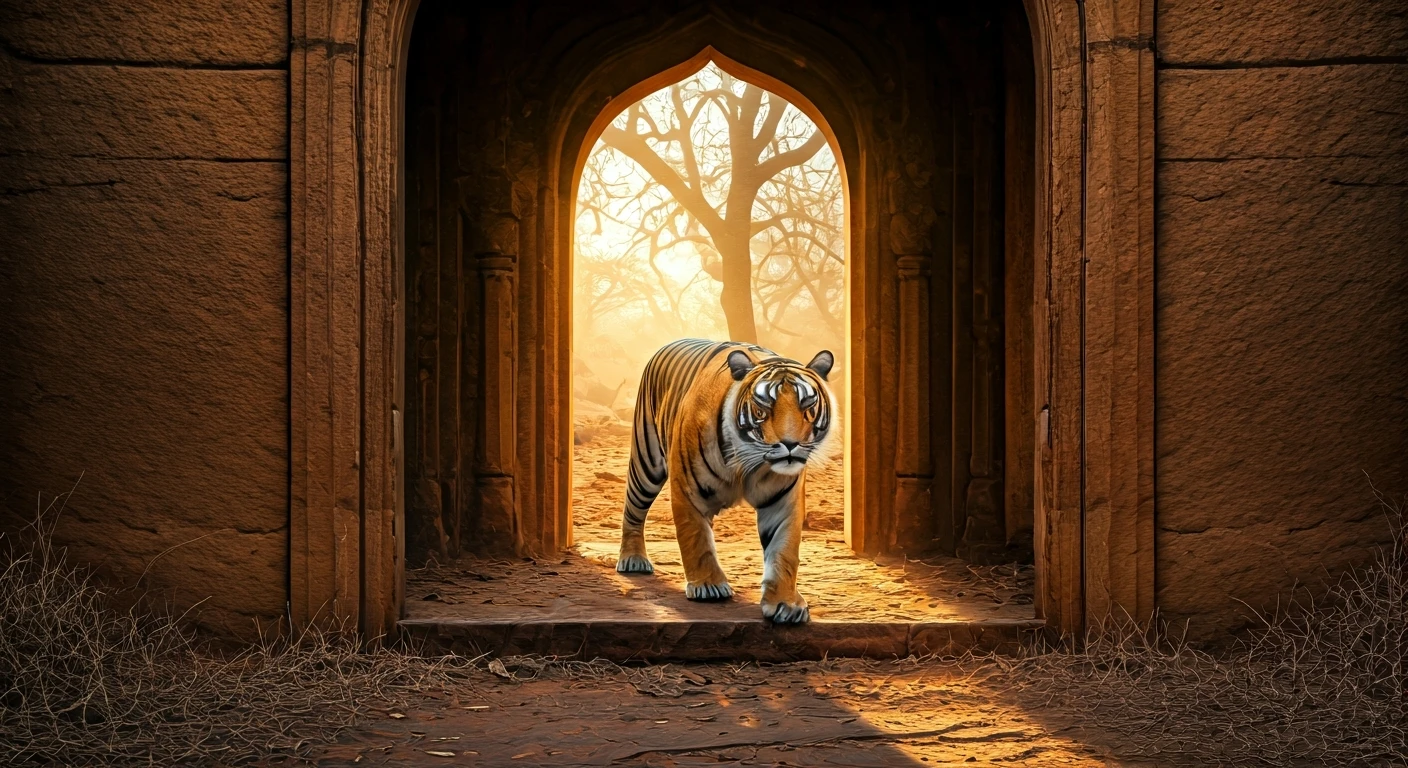
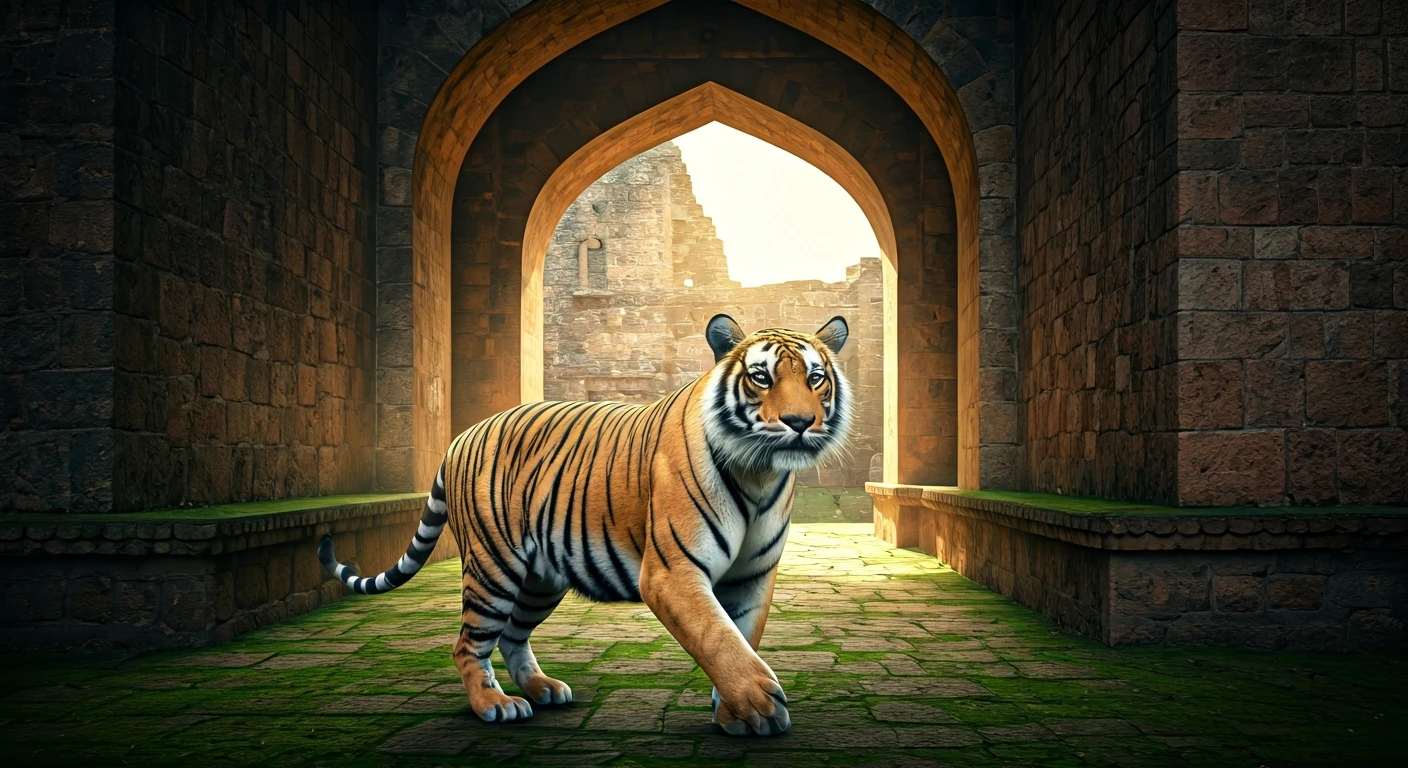
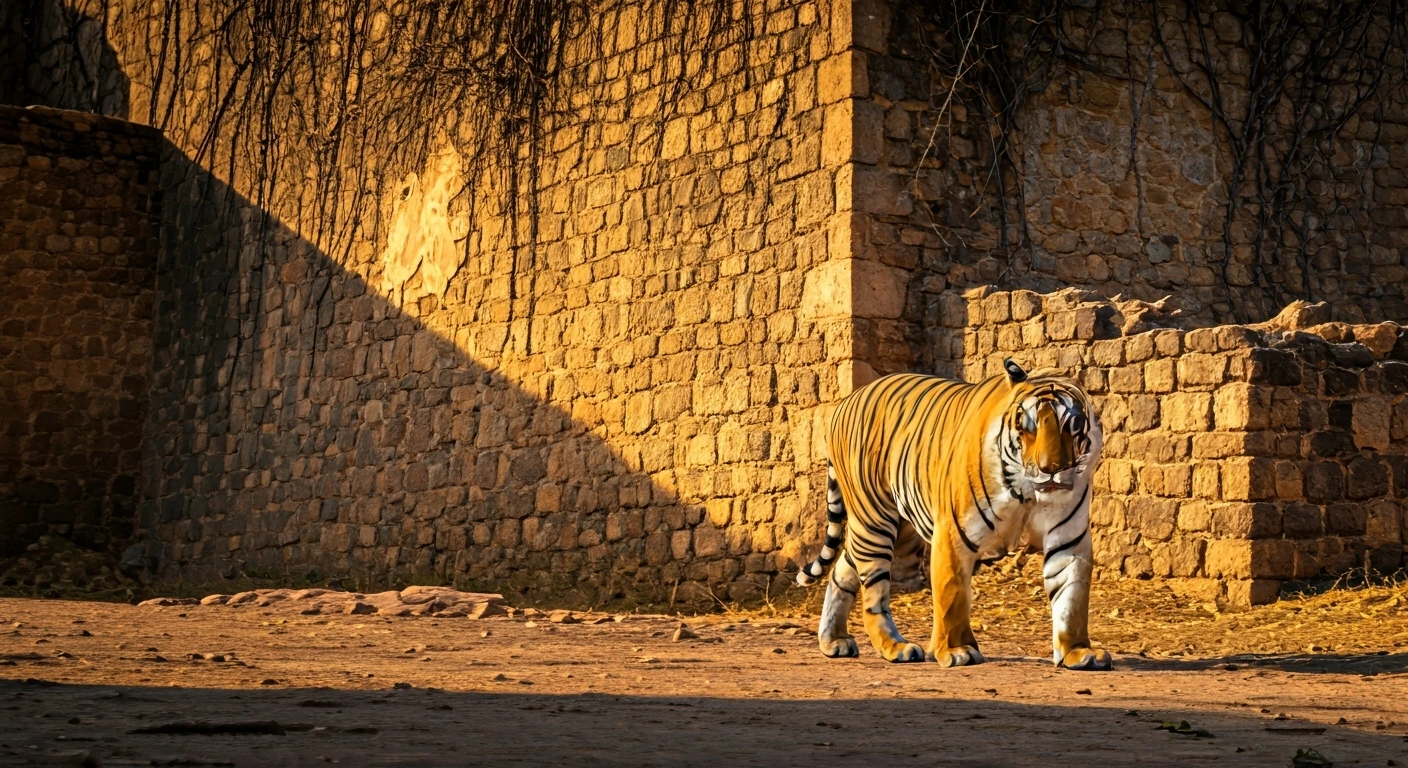
This is the source of Ranthambore’s “main character energy.” It’s the fusion of these two powerful narratives. Seeing a tiger is breathtaking anywhere. But seeing a tiger resting in the shade of a 1,000-year-old temple, or walking past a fortress wall etched with the marks of cannon fire, elevates the experience into something profound. The fort provides a historical weight and a sense of story to the wildlife, while the tigers lend a wild, unpredictable energy to the ancient stones. It’s a place where history isn’t confined to museums and nature isn’t just a backdrop. They are active participants in a single, magnificent narrative. You are not just a tourist viewing an attraction; you are an audience member watching a live, unscripted epic unfold.