
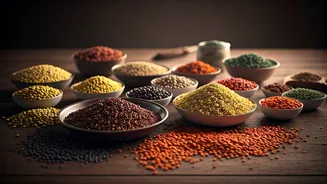
So, What Exactly Are Millets?
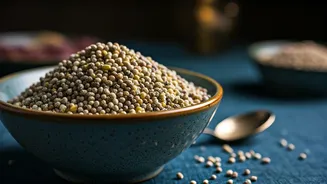
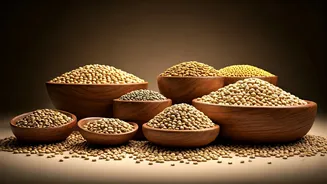
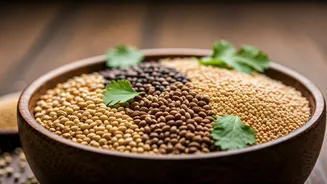
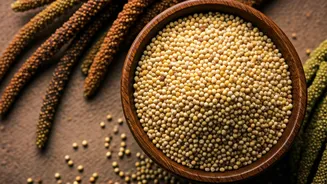
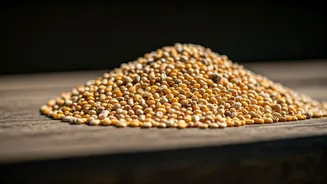
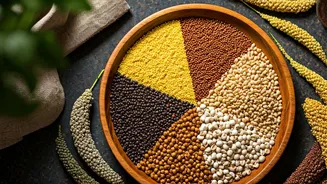
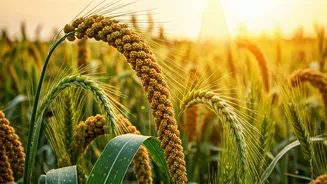
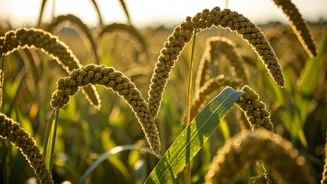
Before you can flex, you need to know what you’re flexing. Millet isn’t a single grain but a diverse group of small-seeded grasses that have been cultivated for thousands of years across Africa and Asia. Think of them as the hardy, unsung heroes of the ancient
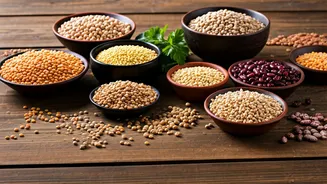
pantry. While wheat and rice became global staples, millets like jowar (sorghum), bajra (pearl millet), and ragi (finger millet) remained regional powerhouses, particularly in India, where they formed the backbone of rural diets for centuries. Unlike the refined flour in your fluffy naan or the polished grains in your biryani, millets are nutrient-dense powerhouses. They offer a wonderfully nutty, earthy flavor and a texture that can range from fluffy like couscous to hearty and chewy. For years, they were dismissed in urban India as “coarse grains” or peasant food. But now, they’re being reclaimed for what they’ve always been: a versatile, delicious, and incredibly resilient food source.
The Comeback Kid of Grains
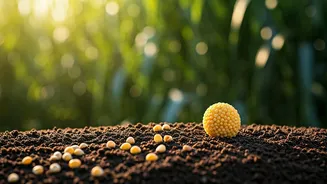
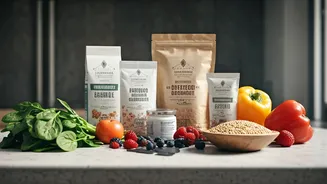
So why are millets suddenly appearing on sophisticated tasting menus in New York and San Francisco? The trend isn’t accidental. It’s a perfect storm of health-consciousness, sustainability concerns, and a global culinary rediscovery, supercharged by the United Nations declaring 2023 the “International Year of Millets.” First, there’s the health angle. Millets are naturally gluten-free, making them an easy win for a huge portion of diners. But the benefits go deeper. They are packed with protein, fiber, and essential minerals like magnesium and iron. With a low glycemic index, they provide sustained energy without the blood sugar spike associated with refined carbohydrates—a major plus for anyone mindful of their metabolic health. Then there’s the planet. Millets are what agricultural experts call “climate-smart” crops. They are incredibly drought-resistant, require far less water than rice or wheat, and can thrive in poor soil without heavy chemical inputs. In an era of climate change and water scarcity, choosing millet is a subtle nod to environmental stewardship. It’s a vote for a more sustainable food system, made right from your dinner plate.
From Humble Porridge to Haute Cuisine
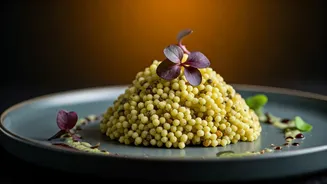
The real magic is happening in the kitchen. For years, American diners’ experience with Indian food was limited to a specific, Northern-Indian-heavy menu of creamy curries, tandoori meats, and wheat-based breads. But a new generation of Indian chefs in the U.S. is pushing boundaries, eager to showcase the subcontinent’s vast culinary diversity. Millets are their secret weapon. They’re swapping out rice and semolina for millet in classic dishes. Imagine a crispy, delicate dosa made not from rice batter but from fermented millet, served with artisanal chutneys. Picture a savory upma—traditionally made with semolina—reimagined with foxtail millet, studded with mustard seeds and fresh vegetables. Chefs are using millet flour to create earthy, flavorful flatbreads (rotis), and using whole millets as a base for complex, layered biryanis that feel both lighter and more texturally interesting than their rice-based counterparts. They’re even making their way into desserts, like creamy kheer (pudding) made with little millet, offering a nutty counterpoint to the sweetness.
The 'Smart' Part of the Flex
Ordering the millet dish is more than just trying something new. It’s a signal. It tells the chef and the restaurant that you’re an engaged, curious diner who is interested in the full spectrum of Indian food, not just the greatest hits. It shows you’re in on a global conversation about health and sustainability. In a dining culture often obsessed with extravagance—the biggest steak, the rarest wine—the millet flex is quieter and more intellectual. It’s a move that says you value resilience over refinement, nutrition over empty calories, and authenticity over familiarity. It demonstrates a palate that appreciates nuance and a conscience that considers the story behind the food. It’s not about showing off wealth; it’s about showing off awareness. And in today’s world, that’s the most valuable currency you can bring to the table.