





The Promise After the Storm
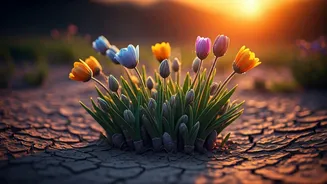
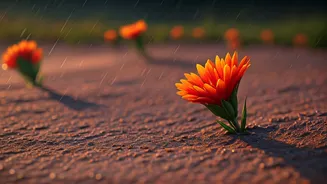
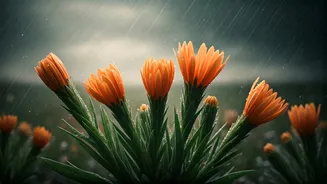
“Overnight flowers” isn’t a scientific category you’ll find in a botany textbook. It’s a term of endearment, a piece of folk poetry for a real and wonderful phenomenon: ephemeral plants that burst into bloom with breathtaking speed following a good rain.
These aren’t your garden-variety perennials that bloom on a predictable schedule. These are nature’s opportunists, specialists in patience and sudden glory. They spend weeks, months, or even years as unassuming bulbs, roots, or seeds, waiting quietly underground. They are a lesson in dormancy, conserving their energy for the perfect moment. When a soaking rain finally arrives, it’s the starting gun they’ve been waiting for. The moisture and often the nitrogen delivered by thunderstorms trigger a rapid, almost magical transformation. What was a bare patch of lawn or a drab corner of the garden yesterday can, quite literally, be studded with jewels of color this morning.
Meet the Rain Lily
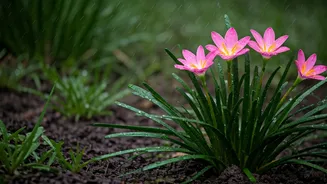
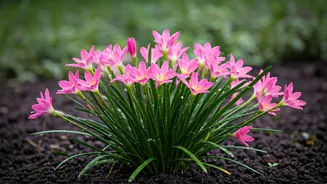
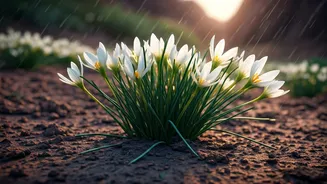
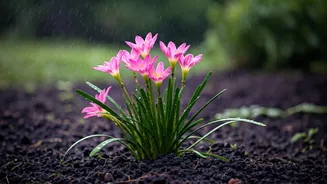
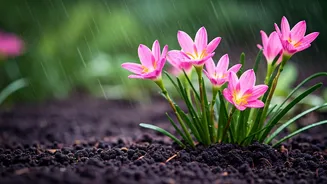
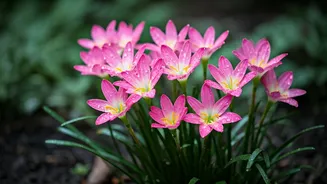
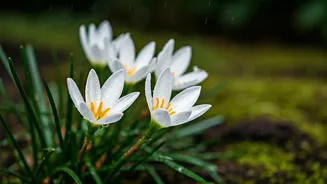
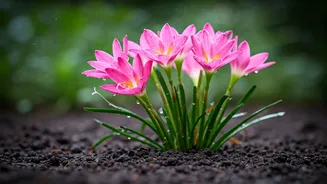
The quintessential overnight flower is the Rain Lily (genus Zephyranthes). Native to the Americas, these delicate, crocus-like flowers are the masters of the surprise entrance. Their name says it all. For most of the year, a patch of rain lilies is just a clump of grassy, unremarkable foliage, easily overlooked. But a few days after a significant summer downpour, slender stalks shoot up, seemingly from nowhere, each topped with a perfect, star-shaped flower in shades of white, pink, or yellow. The trigger is so specific that gardeners in the know can almost predict their arrival. It’s the combination of a dry spell followed by a heavy soaking that signals the bulb to expend its stored energy in a mad dash to reproduce. This dramatic flowering makes them a delight in gardens across the southern and central U.S., a fleeting, beautiful reward for weathering a thunderstorm.
The Magic of a Desert Superbloom
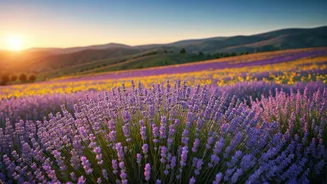
Nowhere is the phenomenon of rain-triggered life more spectacular than in the desert. In arid places like California's Death Valley or the Atacama in Chile, the landscape can appear barren for years on end. The seeds of desert wildflowers, however, are simply waiting. Protected by a tough outer coating, they can lie dormant in the dry soil for decades. When an unusually wet season arrives, often thanks to weather patterns like El Niño, the desert undergoes a miraculous transformation. This isn't just a few flowers; it's a 'superbloom.' Entire valleys and hillsides are carpeted in a riot of color—purple, yellow, orange, and white—as millions of seeds germinate and bloom in unison. It’s a race against time to flower and produce new seeds before the scorching sun and dryness return. These rare, breathtaking events draw visitors from around the world, all hoping to witness the desert’s brief, glorious secret.
Cultivating Your Own Surprise
You don’t have to live in the desert to experience this magic. Bringing this sense of wonder to your own backyard is surprisingly easy. Besides Rain Lilies, consider planting Evening Primrose (Oenothera). While not exclusively rain-triggered, many species put on a show that feels just as sudden. Their flowers famously unfurl at dusk, sometimes so quickly you can watch it happen over the course of a few minutes—a different kind of “overnight” magic. Other bulbs, like certain species of Crocus or Colchicum (Autumn Crocus), also have a habit of appearing with startling speed after the first cool rains of fall. The key is to embrace the surprise. By planting these botanical treasures, you’re not just adding a plant to your garden; you’re planting a future moment of joy, a colorful secret that will only be revealed after the next storm passes.