




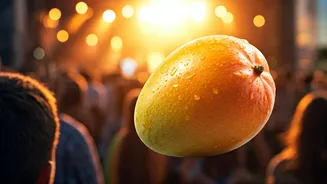


The Arrival of the King
In the United States, seasons are marked by pumpkins or peaches. In India, a nation of 1.4 billion people, staggering diversity, and 22 official languages, the transition from spring to the sweltering heat of summer is defined by one thing: the arrival
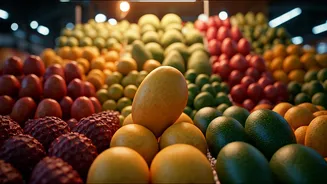
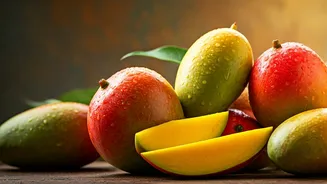
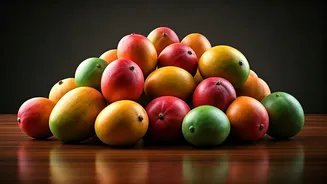
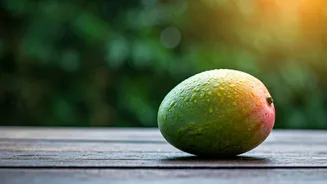
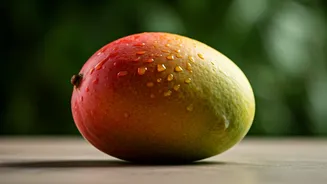
of the mango. Known affectionately as the 'King of Fruits,' its appearance in markets from Kerala to Kashmir triggers a nationwide fervor. The first sighting of a fragrant, perfectly ripe mango isn't just a culinary event; it's a cultural announcement. Summer is here, and with it comes its golden, glorious reward. For a few precious months, the mango dominates conversations, menus, and family rituals in a way no other food can.
A Uniquely Democratic Pleasure
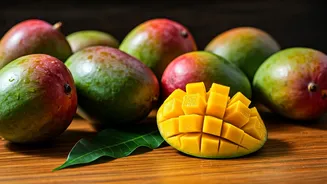
India is a land of hierarchies, starkly divided by caste, class, religion, and region. Yet, the love for mangoes is a great leveler. The joy of splitting open a ripe fruit, the juice running down your chin, is a universal experience shared by Mumbai billionaires and village farmers alike. It’s a taste of nostalgia for nearly every Indian, a connection to childhood summers spent climbing trees or waiting for a parent to return from the market with a bag of fragrant treasure. This shared sensory memory creates a powerful, if temporary, bond. In a country where so much can divide, the simple, unadulterated pleasure of a mango is a point of deep and abiding consensus.
An Obsession with Regional Pride
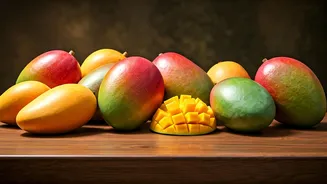
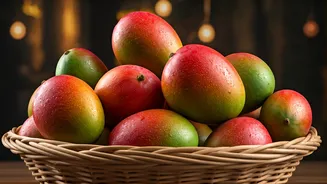
While the love for mangoes is universal, it also fuels intense, good-natured regional rivalries. India is home to over 1,500 varieties of mango, and every region fiercely defends its local champion. For the residents of Maharashtra, nothing compares to the perfumed, fiberless flesh of the Alphonso, often called the 'Hapus.' Travel to Gujarat, and you’ll hear impassioned arguments for the sweet, saffron-hued Kesar. In the north, the slender, honey-sweet Dasheri of Uttar Pradesh reigns supreme, while the south boasts its own favorites like the Banganapalli. These debates aren't divisive; they are part of the shared culture. Arguing over which mango is best is a national pastime, a way of celebrating the country's rich agricultural biodiversity while expressing deep local pride.
More Than Just a Fruit
The mango’s significance goes far beyond the dinner table. Its presence is woven into the very fabric of Indian culture, religion, and art. The paisley pattern, a globally recognized design motif, is said to be inspired by the shape of a mango. Mango leaves are considered auspicious in Hinduism and are strung across doorways during weddings and festivals to signify blessings and prosperity. The fruit appears in ancient Sanskrit texts, Mughal miniature paintings, and Bollywood song-and-dance numbers. It is a symbol of love, fertility, and abundance. To give a box of the season’s first mangoes to friends or family is not just a gift; it is an expression of affection and a central part of social etiquette during the summer months.