


The Great Unplugging
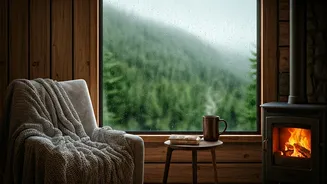
After years of digital saturation, the ultimate luxury is no longer hyper-connectivity but the freedom to disconnect. Travelers are increasingly seeking refuge from the relentless ping of notifications and the curated perfection of social media feeds.
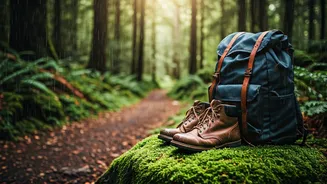
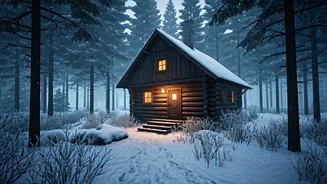
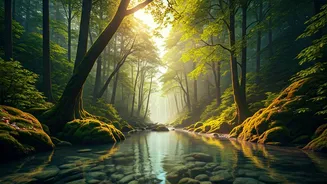
This isn't about Luddism; it's about intentionality. A trip into a dense forest or a sprawling national park forces a cognitive reset. The goal is to replace the blue light of a screen with the dappled green light filtering through a canopy of leaves. Travel experts note a significant rise in searches for 'digital detox,' 'off-grid cabins,' and 'remote nature stays.' This shift indicates a collective burnout and the growing recognition that true rest requires a change of scenery not just for our bodies, but for our overstimulated minds. The new travel dream isn’t about posting in real-time but having a story to tell when you get back.
Wellness Through Wilderness
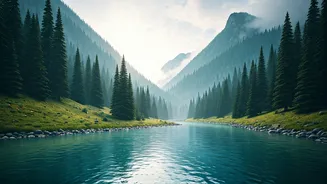
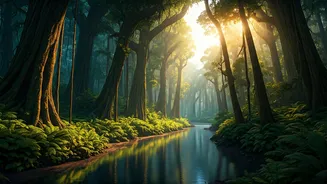
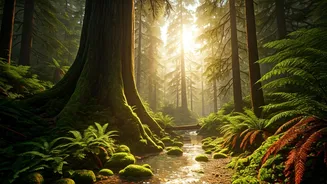
The pursuit of wellness has officially left the spa. The Japanese practice of *shinrin-yoku*, or 'forest bathing,' has entered the mainstream American consciousness, and for good reason. It’s the simple act of immersing oneself in nature and absorbing the atmosphere of the forest. Scientific studies have linked it to reduced stress, lower blood pressure, and improved mood. This concept has become a powerful driver for travel choices. Instead of booking a week of massages, people are planning hikes through the verdant trails of the Pacific Northwest, kayaking on the placid lakes of Minnesota, or simply finding a quiet spot in the Great Smoky Mountains to sit and breathe. This isn't about conquering nature, but collaborating with it for mental and physical restoration. The green landscape itself is the amenity.
Sustainability Becomes Aspiration
For a growing number of travelers, especially younger generations, ethics and aesthetics are intertwined. The desire for a 'green' vacation is now two-fold: a landscape that is literally green and a trip that is environmentally conscious. Ecotourism is no longer a niche market; it's a core value. Destinations like Costa Rica, which has built its entire tourism identity around conservation and biodiversity, have become bucket-list items. Travelers are actively seeking out lodges that run on solar power, tour operators that contribute to wildlife conservation, and experiences that support local communities. This represents a move away from consumptive tourism toward regenerative travel, where the goal is to leave a place better than you found it. A beautiful view is even more beautiful when you know it's being protected.
America's Backyard Renaissance
While international destinations offer exotic appeal, the trend toward green landscapes has also sparked a massive renaissance in domestic travel. The U.S. National Park System has seen record-breaking or near-record attendance in recent years. Americans are rediscovering the staggering diversity of their own country, from the lush, temperate rainforests of Olympic National Park in Washington to the rolling hills of Shenandoah in Virginia and the unique 'river of grass' in Florida's Everglades. This trend is supported by the accessibility of road trips and the appeal of exploring regions that offer both adventure and tranquility without the complexities of international flights. It’s a reminder that a world-class natural wonder might be just a few hours' drive away, offering a profound sense of escape close to home.
The Allure of the 'Green and Pleasant Land'
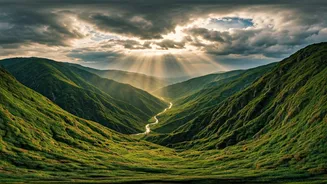
Globally, certain landscapes have become synonymous with this new travel ideal. The Scottish Highlands, with their dramatic, heather-covered glens and moody lochs, promise a sense of ancient solitude. New Zealand’s South Island, made famous by fantasy films, offers an almost impossibly pristine vision of mountains, fjords, and forests. Ireland’s 'Emerald Isle' reputation is a powerful draw for those seeking storybook scenery and a connection to mythic, pastoral lands. These places don't offer the frenetic energy of a global metropolis. Instead, they offer something more elemental: clean air, vast open spaces, and the simple, profound beauty of a world that is still wild and green. They are the physical embodiment of the peace and quiet so many travelers are now desperately seeking.