




The Myth of 'No Days Off'
The “go hard or go home” mentality is deeply embedded in American fitness culture. We celebrate pushing limits, grinding through pain, and maximizing every minute for calorie burn. Fitness trackers buzz with reminders to close our rings, and social media
is filled with sweaty selfies captioned #nodaysoff. This relentless pursuit of output can create a cycle of guilt around rest. We’ve been conditioned to believe that if we aren’t actively working out, we’re backsliding. But exercise science tells a different story. The real physical adaptations—the muscle growth, the improved endurance, the strength gains—don’t happen while you’re lifting a weight or running a mile. They happen in the hours and days that follow, during periods of recovery.
Where the Real Magic Happens
A workout is essentially a controlled form of stress. When you lift weights, for example, you create microscopic tears in your muscle fibers. This isn’t a bad thing; it’s the stimulus that signals your body to rebuild. During recovery, your body gets to work repairing these fibers, not just to their previous state, but to be slightly stronger and more resilient than before. This process is called muscle protein synthesis. Without adequate time and resources (like protein and sleep), this repair process is incomplete. Furthermore, intense exercise depletes your muscles’ primary fuel source, glycogen. Recovery days are your body’s chance to refuel these stores, ensuring you have the energy you need for your next session. Pushing through with depleted tanks and damaged fibers doesn't make you tougher; it just digs a deeper hole.
It's Not Just Your Muscles
Have you ever felt mentally foggy, irritable, or unmotivated to train, even if your muscles aren't particularly sore? That's likely your central nervous system (CNS) crying out for a break. The CNS, composed of your brain and spinal cord, is the command center that recruits your muscles and tells them how to fire. It gets fatigued just like your muscles do. Chronic, high-intensity training without sufficient rest can lead to CNS fatigue, which manifests as decreased performance, poor coordination, mood disturbances, and a general feeling of burnout. This is a key component of Overtraining Syndrome, a state where your body breaks down faster than it can repair itself. Ignoring these signals is a surefire way to hit a plateau or, worse, get injured.
How to Recover Smarter, Not Harder
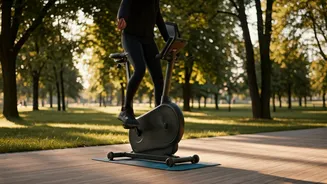
Recovery isn't just about being a couch potato (though sometimes that’s exactly what you need). It’s a proactive strategy. There are two main types: passive and active. Passive recovery includes the foundational elements of health: getting 7-9 hours of quality sleep per night, staying hydrated, and eating a nutrient-dense diet rich in protein and complex carbohydrates. These are non-negotiable. Active recovery, on the other hand, involves low-intensity movement that promotes blood flow to your muscles without adding significant stress. This can help clear out metabolic waste and reduce soreness. Great active recovery options include a gentle walk, a leisurely bike ride, foam rolling, dynamic stretching, or a restorative yoga class. The key is to keep the intensity low—your heart rate should stay down, and you should be able to hold a conversation easily. Choosing the right type of recovery depends on how you feel and the intensity of your previous workouts.
Listen to Your Body's Data
Your fitness watch provides data, but your body provides wisdom. Learning to listen to it is the most advanced fitness skill you can develop. Pay attention to your resting heart rate (a consistently elevated rate can be a sign of over-reaching), your sleep quality, your mood, and your motivation levels. Is your chronic soreness getting worse instead of better? Are you dreading workouts you used to enjoy? These are signals that you need more recovery. Instead of blindly following a rigid schedule, allow for flexibility. If a planned high-intensity workout feels impossible, swap it for an active recovery session. Your body will thank you, and your long-term progress will be far more sustainable.