




Why These Plants Are 'Goals'
Forget a finicky fiddle-leaf fig. The new aspiration for city dwellers with a green thumb is a garden that works for its space—one that offers fragrance, flavor, and a connection to culture. Enter Tulsi (Holy Basil) and the curry leaf plant (Murraya koenigii).
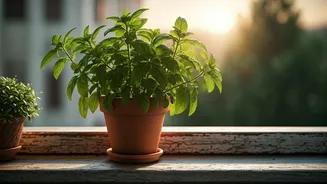
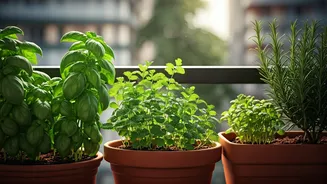
These aren't just decorative; they are functional, aromatic, and deeply rooted in South Asian culinary and wellness traditions. Growing them on a balcony, patio, or sunny windowsill provides a direct link to the vibrant flavors and calming rituals they represent. They transform a small patch of personal space into a sensory and culinary resource, making them the ultimate 'goals' for a modern, mindful urban garden.
Meet Tulsi: The Queen of Herbs
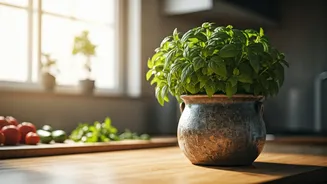
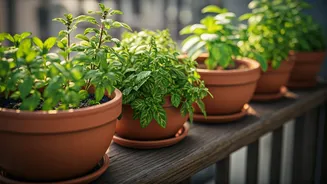
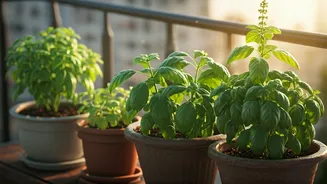
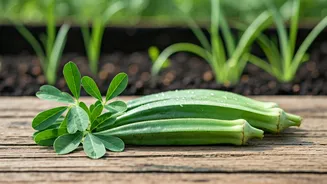
Often called Holy Basil, Tulsi is one of the most sacred plants in Hinduism and a cornerstone of Ayurvedic medicine. It's distinct from Thai basil or the sweet basil used in pesto, possessing a peppery, clove-like aroma. In India, a Tulsi plant is a common sight in household courtyards, revered for its purifying properties. For the urban gardener, it's a relatively easy-to-grow herb that offers immense reward. The leaves are most popularly used to make a soothing, healthful tea, but they can also be incorporated (sparingly) into dishes for their unique flavor. Simply having a pot of Tulsi on your balcony releases a gentle, pleasant fragrance whenever you brush past it, creating a small sanctuary in the city.
How to Grow Tulsi in the City
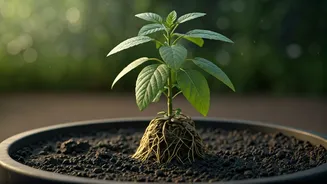
Tulsi is a forgiving plant, making it perfect for novice gardeners. It thrives in containers and loves warmth and sunlight. * **Light:** Give it at least 4-6 hours of direct sunlight per day. A south-facing window or balcony is ideal. * **Soil:** Use a well-draining potting mix. Good drainage is key to preventing root rot. * **Water:** Water regularly, but allow the top inch of soil to dry out between waterings. It doesn't like to be waterlogged. * **Pruning:** Regularly pinch off the flower heads to encourage the plant to become bushier and produce more leaves. This also prevents it from putting all its energy into seed production. You can use these pruned tops in tea or simply discard them.
Meet the Curry Leaf Plant: The Flavor Powerhouse
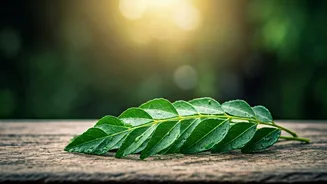
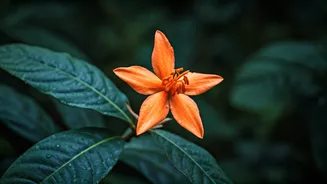
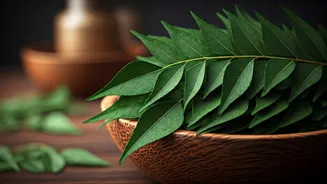
The curry leaf plant is the source of the fresh, aromatic leaves that are indispensable in South Indian cooking. Its flavor is complex—a little citrusy, nutty, and slightly pungent—and it’s what gives dishes like sambar and thoran their signature taste. It’s crucial to note: this plant has no relation to curry powder, which is a blend of spices. The flavor of fresh curry leaves is something that cannot be replicated by dried versions. For anyone who loves to cook regional Indian food, having a fresh supply is a game-changer. The plant itself is a handsome, small tree with glossy green leaves, making it an attractive addition to a patio garden.
Growing Curry Leaves: A Rewarding Challenge
The curry leaf plant can be a bit more particular than Tulsi, but the payoff is well worth the effort. * **Light:** It’s a true sun-worshipper. Give it as much direct sun as you can—at least 6-8 hours is best. * **Care:** This plant is sensitive to being moved and can be a slow grower, especially when young. Be patient. In colder U.S. climates, it must be brought indoors for the winter. It will likely go dormant, dropping some leaves. This is normal. Reduce watering during this period. * **Pests:** They can be prone to pests like scale and spider mites, especially when grown indoors. Regularly inspect the leaves and treat with insecticidal soap if needed. * **Harvesting:** Don't be shy about harvesting. Pick leaves from different parts of the plant to encourage balanced growth. The flavor is best when leaves are sizzled in hot oil or ghee at the start of cooking, a technique known as 'tadka' or 'chaunk'.