




Your Brain on the Hybrid Clock
The boundary between work and home has evaporated for millions of Americans. Whether you’re fully remote or on a hybrid schedule, the kitchen is often just a few steps from your desk. This unprecedented access has transformed snacking from a deliberate
break into a constant, mindless graze. Before, you had to pack a snack or visit a vending machine. Now, the entire pantry is your co-worker. This matters because the type of fuel you choose directly impacts cognitive function. Grabbing sugary, processed snacks—like cookies, candy, or soda—causes a rapid spike in blood sugar, followed by an inevitable crash. That crash is what we feel as brain fog, irritability, and an inability to focus. In a work environment that demands constant connectivity and mental agility, derailing your focus for a fleeting sugar rush is a productivity killer. Your brain needs sustained energy, not a rollercoaster of highs and lows.
The Mood-Food Connection Is Real
We’ve always known that what we eat affects how we feel physically, but the link to our mental and emotional state is becoming clearer. The modern world is stressful. We’re juggling economic uncertainty, social pressures, and an always-on work culture. In this context, using food as a coping mechanism is common, but it can backfire spectacularly. Simple carbohydrates and sugary treats may offer a momentary dopamine hit, but they disrupt the delicate balance of our gut microbiome, which scientists increasingly call our “second brain.” An unhealthy gut has been linked to higher rates of anxiety and mood disorders. When you consistently reach for snacks that are low in nutrients and high in inflammatory ingredients (like refined sugars and unhealthy fats), you’re not just feeding your hunger—you’re potentially feeding your anxiety. A snack should be a tool for stabilization, not a trigger for emotional volatility.
Inflation Is Coming for Your Vending Machine
Let’s talk dollars and cents. The convenience of that daily coffee shop muffin, bag of chips from the corner store, or food delivery app order comes at a steep price—one that’s getting steeper. With inflation impacting grocery bills and restaurant prices, the small, frequent costs of unsatisfying snacks add up fast. A $4 fancy coffee and a $3 pastry every workday can easily top $1,700 a year. This isn't just about the money you’re spending; it’s about what you’re getting for it. Most convenience snacks are designed for hyper-palatability, not nutritional value. They leave you hungry again in an hour, creating a cycle of spending and consumption. By making more intentional choices—like buying ingredients for simple, satisfying snacks in bulk—you not only save a significant amount of money over time but also invest in food that actually provides lasting energy and satiety. In today’s economy, every dollar counts, and wasting them on empty calories is a luxury few can afford.
Snacking as a Strategy for Resilience
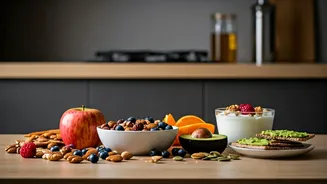
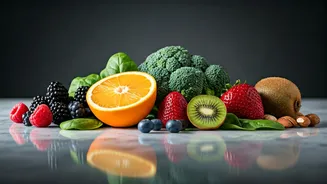
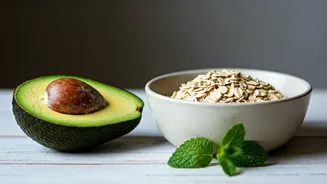
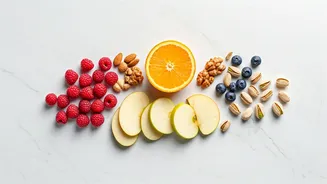
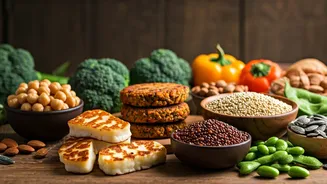
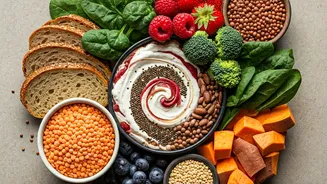
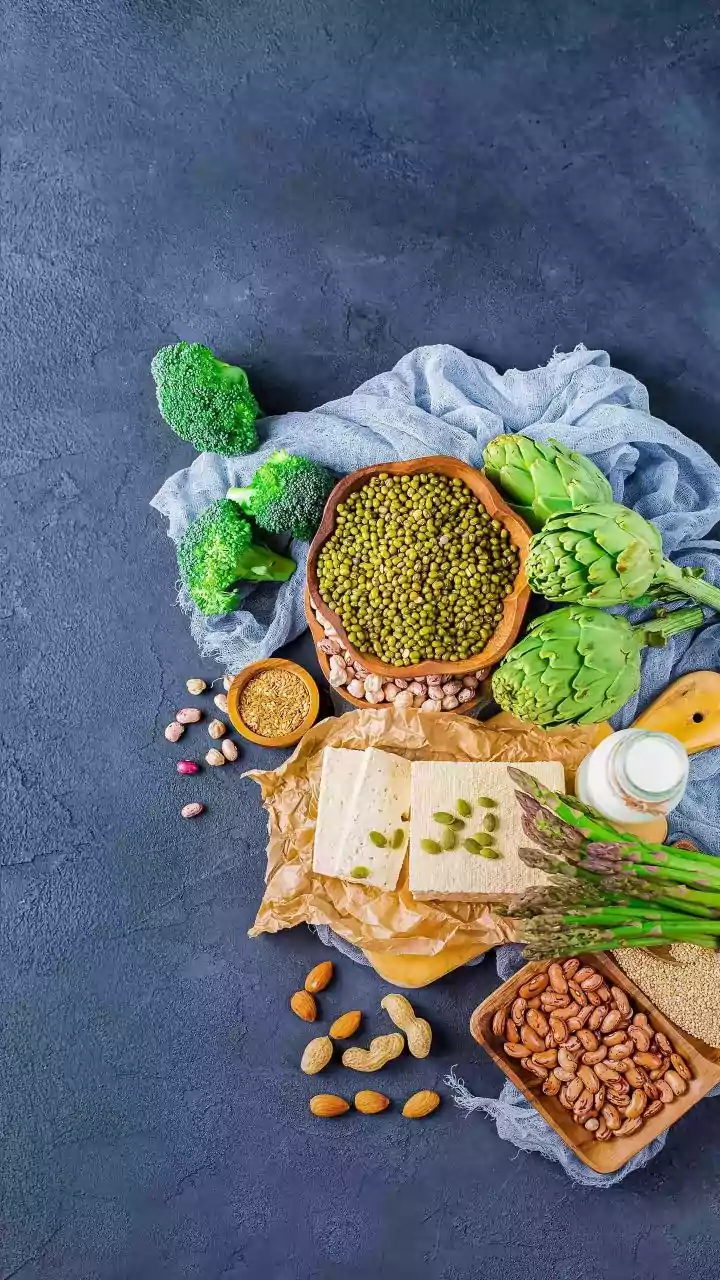
The solution isn’t to stop snacking. It’s to start snacking with intention. Instead of seeing it as a mindless habit, reframe snacking as a strategic opportunity to support your body and mind. The goal is to choose foods that stabilize your blood sugar and provide a steady stream of energy. Think protein, healthy fats, and fiber. A handful of almonds, an apple with peanut butter, Greek yogurt, a hard-boiled egg, or baby carrots with hummus are all excellent choices. These snacks do the opposite of their sugary counterparts: they prevent energy crashes, support stable moods, and keep you feeling full and focused for hours. Preparing them might take a few minutes more than grabbing a candy bar, but the payoff in productivity, emotional well-being, and financial savings is immense. Think of it as a small investment in your own resilience, helping you better navigate the demands of the day.