






The Rise of 'Cozy Travel'
For decades, the ideal couple’s getaway has been synonymous with sun-drenched locales: turquoise water, white sand, and a cocktail in hand. But a quiet rebellion is brewing against the tyranny of the perfect tan. Enter the 'rain escape,' a travel trend
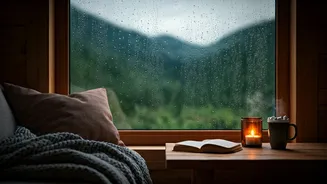
centered on moody atmospheres, cozy interiors, and the romantic appeal of a storm brewing outside. Instead of packing sunscreen and swimsuits, these travelers are bringing wool sweaters, waterproof boots, and a stack of good books. This shift, sometimes called 'cozy travel' or 'pluviophile tourism' (for lovers of rain), taps into a desire for a different kind of relaxation—one that’s introspective, restorative, and free from the pressure to be constantly active and social. It’s a direct counterpoint to the performative perfection often seen on social media, swapping bright, filtered beach photos for candid shots of misty mornings and fireside chats.
Why We Crave the Gloom
So, what’s behind the allure of a deliberately damp vacation? Psychologically, it’s about lowering the stakes. A sunny day at a resort comes with an unspoken obligation to *do something*—go to the beach, swim, sightsee. A rainy day, however, grants permission to slow down. The steady drumming of rain can be deeply calming, reducing anxiety and promoting a sense of peace. This taps into concepts like the Danish *hygge* (a quality of coziness and comfortable conviviality) or the Scottish *coorie* (the art of snuggling in). On a rain escape, the goal isn't to conquer a destination; it's to inhabit it. The lack of pressure to have an 'epic' day allows couples to reconnect without a packed itinerary, focusing instead on conversation, shared meals, and simply being together. The moody weather becomes a romantic backdrop, turning a simple cabin or historic inn into a private, insulated world.
Hotspots for a Cold Front
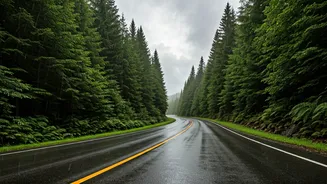
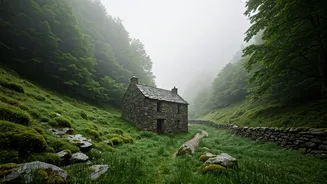
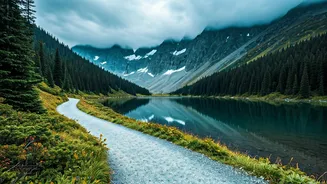
While you can find rain almost anywhere, certain destinations have become epicenters of this moody movement. Scotland is a prime example, with travel companies now marketing its dramatic, windswept Highlands and drizzly lochs as a feature, not a bug. The appeal lies in dramatic landscapes made more mysterious by fog and the promise of a warm pub or distillery tour at the end of a brisk walk. Similarly, the Pacific Northwest—particularly the coasts of Washington and Oregon—has long been a haven for those who appreciate a misty forest and a rugged shoreline. Towns like Forks, Washington, forever cemented in pop culture as a bastion of gloom, draw visitors seeking that specific atmosphere. Ireland, with its rolling green hills under perpetually shifting skies, offers ancient castles to explore on a gray day and cozy pubs with live music at night. Even New England states like Vermont and Maine in the 'shoulder seasons' of late fall or early spring provide the perfect setting for a quiet, contemplative retreat.
An Itinerary of Atmosphere
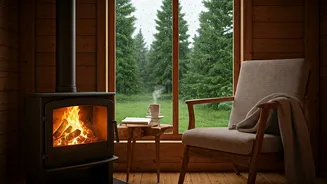
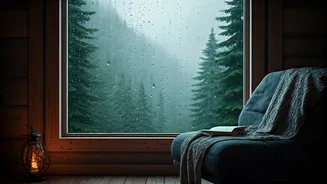
A rain escape isn’t about being trapped indoors. The itinerary is simply built around the atmosphere rather than against it. A typical day might involve a morning hike through a misty forest where the damp earth and pine smell sharp and clean. An afternoon could be spent exploring a quiet, cobblestoned town, ducking into antique shops and bookstores without the crush of peak-season crowds. The centerpiece of the day is often the return to a cozy home base—a cabin with a wood-burning stove, a historic hotel with a grand fireplace, or a bed-and-breakfast with deep armchairs perfect for reading. The culinary experience is also key. Forget light salads and tropical fruit; this is the time for hearty stews, freshly baked bread, robust red wines, and hot toddies. It’s a sensory experience designed to make you feel warm, safe, and sheltered from the elements, turning the weather from an adversary into an essential part of the vacation's charm.