








The Fading Glory of the 'Big Trip'
Remember the classic American vacation? Two weeks in July, packed into the family station wagon, heading for a national park or a crowded beach. For decades, this annual pilgrimage was a cornerstone of work-life balance—a single, massive release valve
for a year’s worth of pressure. But the pedestal on which we placed the 'one big trip' is starting to crumble. The planning is a part-time job, the financial hit is substantial, and the pressure for it to be perfect is often overwhelming. If the weather is bad, the kids are grumpy, or the destination doesn’t live up to the brochure, the entire year's vacation budget can feel like a bust. More Americans are looking at this all-or-nothing model and wondering if there isn’t a better, more sustainable way to rest and recharge.
Enter the 'Micro-Cation'
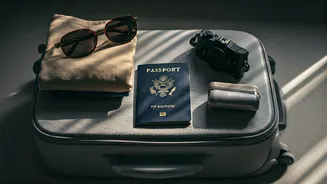
The antidote to big-trip burnout has a name: the 'micro-cation.' This isn’t just a last-minute weekend away; it’s an intentional, planned short trip of two to four nights, designed specifically to maximize relaxation and experience without draining your bank account or your entire allotment of PTO. Think of it as travel in bite-sized, manageable doses. Instead of one huge, potentially stressful marathon, you get several delightful sprints spread throughout the year. A three-day weekend to explore a nearby city in the spring, a four-day escape to a national park in the fall, a quick trip to visit friends a few states over. This approach diversifies your 'leisure portfolio,' reducing the risk of a single bad experience ruining your only break and allowing for a steady stream of things to look forward to.
It's the Economy, Obviously
Let’s be honest: a major driver of this shift is money. With inflation affecting everything from groceries to gas, the idea of dropping thousands of dollars on a single 10-day holiday is becoming less feasible for many households. Flights, hotels, and rental cars for a family of four can easily spiral into a five-figure expense. Short escapes, by contrast, are far more budget-friendly. You can drive instead of fly, stay in a more modest rental for three nights instead of ten, and eat out for a few special meals rather than every single one. This financial accessibility makes travel feel less like a once-a-year luxury and more like a regular part of life. It allows people to satisfy their wanderlust without taking on debt or sacrificing other financial goals.
Fighting Burnout, One Trip at a Time
The modern workplace is a breeding ground for burnout. Even with more flexible remote work options, the 'always-on' culture means many people find it harder than ever to truly disconnect. Waiting 11 months for your next big vacation is a recipe for exhaustion. The micro-cation model offers a more effective psychological solution. Studies and travel experts suggest that the positive effects of a vacation—the anticipation, the break itself, and the afterglow—are potent but can be short-lived. Having multiple trips on the calendar provides a consistent cycle of anticipation and recovery. It breaks up the monotony of work and provides regular, achievable milestones for mental and emotional decompression, helping to keep chronic stress and burnout at bay.
More Experiences, Less Pressure
The shift also aligns perfectly with the 'experience economy,' where consumers increasingly prioritize doing things over owning things. A single, long vacation often means choosing just one type of experience: the beach trip, the European city tour, the mountain retreat. A series of short escapes allows for far more variety. You can be a foodie in New Orleans one season, a hiker in the Catskills the next, and an art lover in Chicago after that. This approach satisfies a craving for novelty and personal growth. It removes the immense pressure to make one destination fit every desire and instead fosters a sense of ongoing exploration and discovery, making leisure time feel richer and more dynamic.