

It Introduces Unbeatable Texture
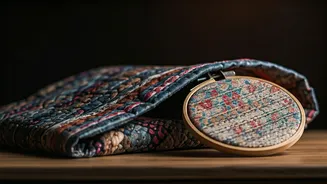
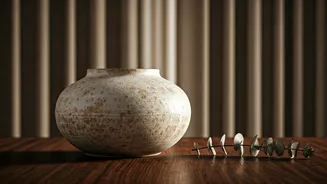
Look closely at a machine-made object. Its lines are perfect, its surface uniform. Now, compare that to a hand-thrown ceramic vase or a hand-knotted rug. You’ll notice subtle variations—the faint trace of a fingerprint in the clay, the slight inconsistencies
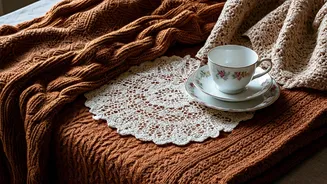
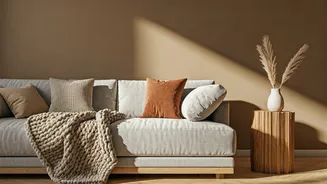
in the weave. These imperfections are not flaws; they are texture. This textural depth is something mass production can’t replicate. It invites touch and engages the senses in a way a perfectly smooth, factory-finished surface never can. A chunky, hand-knit blanket on a sofa or a rough-hewn wooden bowl on a coffee table adds a layer of sensory richness that makes a room feel cozy, grounded, and complete.
It Tells a Story
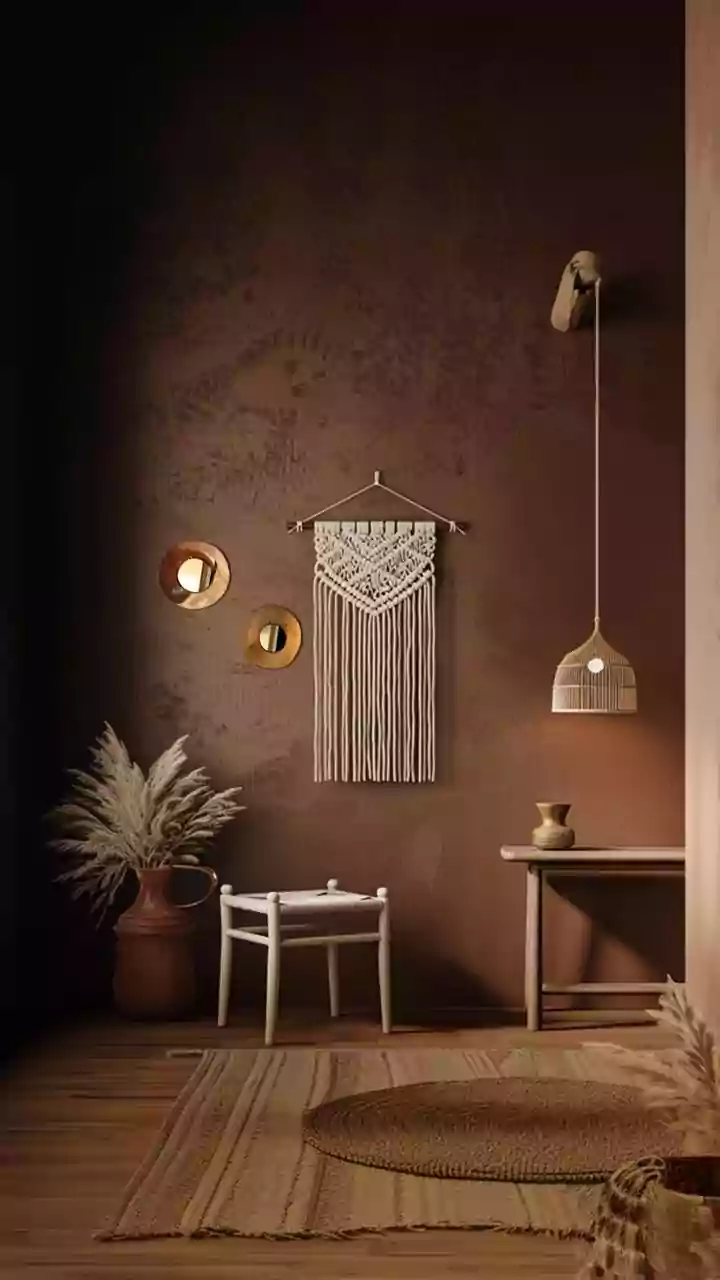
A piece of handmade decor is more than an object; it's a vessel for a story. It could be the story of the artisan who crafted it, their skill passed down through generations. It could be your story—a piece of pottery you bought from a local artist on vacation, a painting from a neighborhood art fair, or even a macrame hanger you made yourself. Unlike a generic print from a big-box store, these items are imbued with memory and meaning. They become conversation starters and daily reminders of a person, a place, or a personal accomplishment. This narrative layer transforms a room from a collection of things into a curated gallery of your life.
It Celebrates Human Imperfection
The Japanese concept of *wabi-sabi* finds beauty in imperfection and transience. Handmade decor is the physical embodiment of this philosophy. A slight wobble in a ceramic mug, the asymmetrical grain of a hand-carved spoon, or the organic shape of a blown glass pendant light are all testaments to the human hand that made them. In a digital world obsessed with flawless filters and perfect angles, bringing these beautifully imperfect items into our homes is a quiet rebellion. It’s a declaration that character is more compelling than perfection, and that warmth is more important than sterile precision. This acceptance of imperfection makes a space feel more forgiving, livable, and authentic.
It Creates a One-of-a-Kind Vibe
When you buy from a major retailer, you're buying a look that thousands, if not millions, of other people have. There's nothing wrong with that, but it makes creating a truly personal space more challenging. When you invest in handmade decor, you are often acquiring a one-of-a-kind piece. Even if an artisan creates items in a series, no two will ever be identical. This inherent uniqueness ensures that your home won’t look like a page from a catalog. By mixing these singular items—a quilt from a small-town maker, a lamp from a local woodworker—you build a decorative palette that is impossible to duplicate, reflecting your specific taste and no one else's.
It Fosters a Deeper Connection
Choosing handmade decor is an act of connection. It connects you directly to the creativity and labor of another person. In an era of anonymous supply chains, knowing the name of the person who wove your wall hanging or glazed your coffee mug is a powerful feeling. It supports small businesses, preserves traditional crafts, and fosters a more sustainable and mindful form of consumerism. This connection infuses the object with a special energy. You're not just decorating a room; you're becoming a patron of the arts, a supporter of a dream, and a custodian of a craft. That positive association radiates throughout the space, making it feel more soulful and intentional.