




The New Rules of Engagement
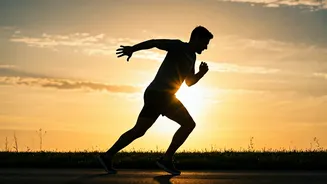
Calling heat-aware fitness “survival training” isn’t an exaggeration. When you exercise in extreme heat, you’re pushing your body’s cooling systems to their absolute limit. Your heart works harder to pump blood to your skin to dissipate heat, leaving
less for your working muscles. You sweat more, risking dehydration and electrolyte imbalances. In this environment, a simple workout becomes a lesson in resource management, risk assessment, and listening to your body’s warning signals—the same core skills needed to survive in any challenging situation. Ignoring these rules can lead to heat exhaustion or, worse, life-threatening heatstroke. Mastering them, however, builds a kind of resilience that goes far beyond cardiovascular health.
Mission Prep: Know Your Environment
Before you even lace up your shoes, your training begins with intelligence gathering. The first rule of survival is to understand the terrain. In this case, your terrain is the thermal environment. Don’t just look at the temperature; check the heat index, which combines temperature and humidity to give you a “feels like” number that more accurately reflects the stress on your body. An 85°F day with 80% humidity is far more dangerous than a 95°F day in a dry climate. Also, check the air quality index (AQI), as heat and pollution often go hand-in-hand. Plan your workouts for the coolest parts of the day—early morning or late evening. This isn't about convenience; it’s a strategic decision to avoid peak danger.
Gear Up: Your Survival Kit
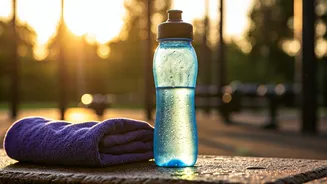
Your gear is your lifeline. Start with clothing: choose lightweight, loose-fitting, light-colored garments made from moisture-wicking synthetic fabrics. These materials pull sweat away from your skin, allowing it to evaporate and cool you down. Cotton, by contrast, gets heavy and traps moisture, acting like a damp blanket. A wide-brimmed hat and UV-protective sunglasses are non-negotiable for sun protection. Most importantly, manage your hydration. Don't wait until you're thirsty. Begin hydrating hours before your workout and carry water with you. For sessions longer than 60 minutes, you'll need to replenish electrolytes—the salts you lose in sweat—with a sports drink or electrolyte tabs. Think of your water bottle as your most critical piece of equipment.
Listen to Your Body: The Most Important Signal
This is the most crucial survival skill. Your body has a built-in early warning system, and you need to learn to interpret its signals. Feeling dizzy, nauseous, or unusually fatigued? Is your headache getting worse? Have you stopped sweating even though you’re hot? These are all red flags for heat exhaustion. Don't be a hero and “push through it.” Stop immediately, find shade, drink cool water, and apply cool cloths to your skin. If symptoms worsen or you suspect heatstroke (marked by confusion, a rapid pulse, or high body temperature), it’s a medical emergency. Learning to distinguish between the discomfort of a hard workout and the danger signals of heat illness is the ultimate test of self-awareness.
Adapt and Overcome: The Payoff
Here’s the good news: your body is an amazing machine built for adaptation. With careful, gradual exposure, you can acclimate to the heat over one to two weeks. This process, known as heat acclimatization, makes your body more efficient. You start sweating sooner and more profusely, your heart rate doesn't spike as much, and you conserve more electrolytes. This physiological adaptation is the ultimate reward of smart heat training. You’re not just getting fitter; you’re upgrading your body’s operating system to better handle thermal stress. This resilience is a powerful tool, not just for your summer 5K, but for navigating a world where extreme heat is an increasing part of life.