





The Ultimate Zero-Waste Statement
Before you dismiss it as a strange social media dare, understand the context. Eating the peel is part of the larger root-to-stem and zero-waste cooking movements that have swept through professional kitchens and into the homes of eco-conscious foodies.
The 'flex' isn't just about being daring; it's about being resourceful. In a world increasingly aware of food waste—where Americans discard about a pound of food per person per day—using every part of an ingredient is a quiet badge of honor. It says you’re not just a consumer, but a thoughtful cook who knows how to unlock hidden value. By eating the peel, you’re maximizing your grocery spend and minimizing your environmental footprint, one of the most practical and impressive skills in the modern kitchen.
A Hidden Nutritional Powerhouse
So, what are you throwing away? A surprising amount of nutrition. Mango peels are densely packed with nutrients that the sweet flesh has in smaller quantities. They are an excellent source of dietary fiber, which is crucial for digestive health and can help you feel fuller longer. The skin also boasts a higher concentration of antioxidants, including polyphenols and carotenoids like beta-carotene, which the body converts into Vitamin A. These compounds help fight cellular damage from free radicals. Furthermore, mango peels contain significant amounts of Vitamin C and Vitamin E. Studies have also pointed to compounds in the peel like mangiferin, which has demonstrated anti-inflammatory and anti-diabetic properties in early research. In short, the peel is where much of the fruit’s defensive and nutritional magic is concentrated.
The Big Question: Is It Safe?
This is the most critical part of the conversation. Yes, mango peels are edible, but with two major caveats. First, pesticides. Like many fruits, non-organic mangoes are often treated with pesticides that can accumulate on the skin. To mitigate this risk, it’s highly recommended to use only organic mangoes if you plan to eat the peel. Regardless, you should wash and scrub the skin thoroughly under running water. Second, an allergen alert. Mangoes belong to the same plant family as poison ivy and cashews. The peel, leaves, and stem contain urushiol, the same compound that causes the infamous itchy rash from poison ivy. While the concentration in the fruit's skin is much lower, people with a known sensitivity to urushiol may experience contact dermatitis—an itchy rash around their mouth. If you’re allergic to poison ivy or have had reactions to cashews, it's best to avoid mango skin. If you’re unsure, try a very small piece first.
Making the Peel Palatable
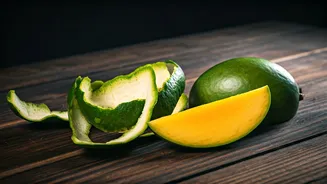
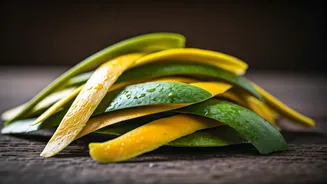
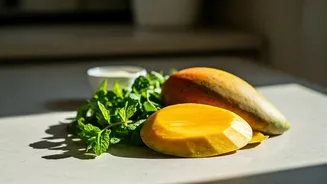
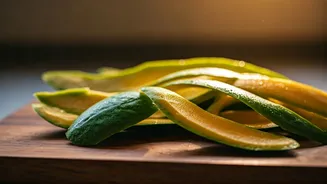
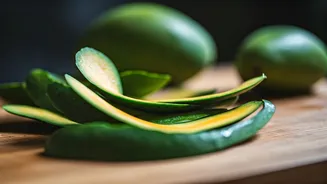
Let’s be honest: the texture and flavor of a raw mango peel can be an acquired taste. It’s tougher and more fibrous than the flesh, and it carries a slightly bitter, resinous flavor that can be overpowering if you just bite into it like an apple. The trick is to incorporate it thoughtfully. The easiest entry point is the smoothie. Just toss the whole washed, chopped mango—skin and all—into a high-powered blender with other ingredients like banana, spinach, and yogurt. The blender pulverizes the fiber, and the other flavors balance out any bitterness. Another great raw application is to use a vegetable peeler or a very sharp knife to slice the peel into paper-thin ribbons. These can be tossed into salads or slaws, where their chewy texture and zesty bite add a welcome complexity, much like citrus zest.
Beyond Raw: Cooking with Mango Skin
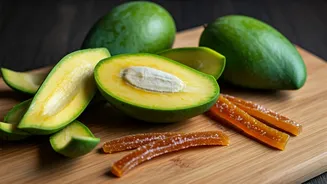
If the raw texture isn't for you, cooking the peel can transform it completely. One popular method is to make a mango-peel pickle or chutney. Simmering the peels with vinegar, sugar, and spices softens them and infuses them with flavor, turning them into a delicious condiment for curries or grilled meats. You can also dehydrate the peels in a low oven or a dehydrator until they are brittle, then grind them into a powder. This 'mango zest' can be sprinkled on desserts, mixed into spice rubs, or used to rim a cocktail glass. Another creative use is to candy the peels by simmering them in a simple syrup, creating a sweet, chewy treat similar to candied orange peel. These methods not only make the peel more approachable but also extend the life of the fruit, giving you a brand new ingredient to play with.