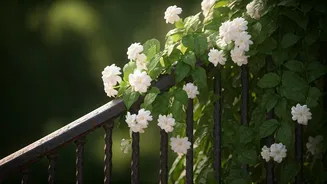


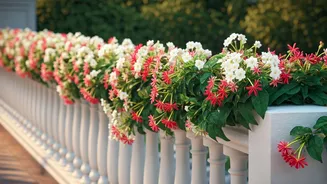
Why a Railing is the Perfect Trellis
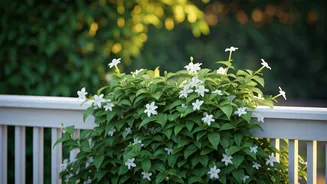
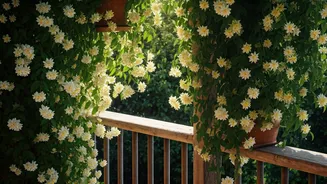
Before you even buy a plant, consider the potential. Railings offer a built-in structure that many climbing plants crave. Using one for vertical gardening is a brilliant space-saving solution, especially for apartments, townhouses, or homes with small
yards. You’re not just adding a plant; you’re creating a living wall that can offer a surprising amount of privacy. In the evening, the fragrance of blooming jasmine can turn a simple porch into a sensory retreat. It softens hard architectural lines, adds immense curb appeal, and connects your home to the garden in a seamless, elegant way. It’s one of the highest-impact, lowest-effort landscaping projects you can undertake.
Choose the Right 'Jasmine'
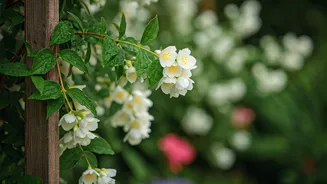
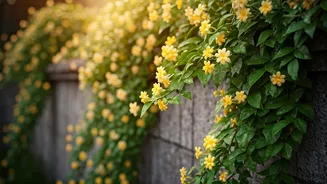
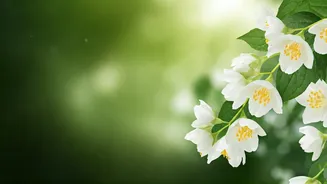
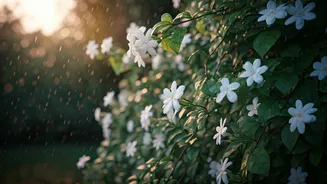
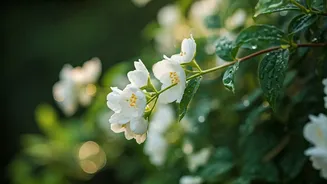
Here’s the most important secret: the plant most people use for this is often not a true jasmine. Star Jasmine (Trachelospermum jasminoides) is the undisputed champion for covering railings in most U.S. climates (USDA zones 8-10). It’s not a member of the Jasminum genus, but it’s beloved for good reason. It’s an evergreen, vigorous, and well-behaved twining vine with glossy dark green leaves and a profusion of powerfully fragrant, star-shaped white flowers in late spring and early summer. It’s also more tolerant of a range of conditions than many true jasmines. If you’re in a colder climate, you might consider a deciduous Common White Jasmine (Jasminum officinale), which is hardy to zone 7 and produces an iconic sweet scent. For a pop of winter color, Winter Jasmine (Jasminum nudiflorum) offers unscented but cheerful yellow flowers on bare green stems, hardy down to zone 6.
Planting for a Strong Start
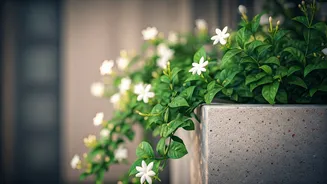
Your success begins at the base of the railing. You can either plant directly in the ground or use a large container. A container is a great option for balconies or for controlling growth. Choose a pot at least 18-24 inches in diameter to give the roots ample room; a cramped plant will never thrive. Whether in a pot or the ground, ensure you use well-draining potting mix or soil. Soggy roots are a fast way to kill a vine. Position the plant’s base as close to one end of the railing as possible. If planting in the ground, amend the soil with compost to give it a nutrient-rich start. After planting, water it thoroughly and add a layer of mulch to help retain moisture and keep the roots cool.
The Gentle Art of Training Your Vine
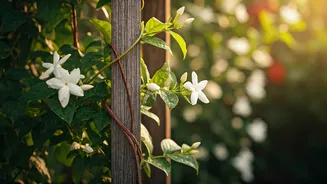
Jasmine vines don't have suction cups like ivy; they climb by twining their stems around a support. Your job is to be the initial guide. When the plant is young, its stems are flexible and eager to please. Gently weave the longest stems horizontally through the balusters or spindles of your railing. Don't pull them tight. The goal is to encourage lateral growth first, creating a dense base. As new shoots emerge, guide them upwards and around the top rail. You can use soft garden twine or green plant tape to loosely secure stems in place, but remove the ties once the vine has gripped the railing on its own to prevent girdling the stem. This initial training period is key—what you do in the first year determines the shape and fullness for years to come.
Long-Term Care and Pruning
Once established, a jasmine-covered railing is surprisingly low-maintenance. Water regularly, especially during hot, dry spells and if the plant is in a container, which dries out faster. Feed with a balanced, all-purpose fertilizer in the spring to encourage lush growth and abundant flowers. The most important task is pruning. The best time to prune flowering vines is right after they finish blooming. This prevents you from accidentally cutting off next year’s flower buds. Don’t be shy about trimming away any wayward shoots to maintain the desired shape. If the vine starts to look sparse at the bottom and woody, you can perform a harder rejuvenation prune by cutting some of the oldest stems back by about a third to encourage new, fuller growth from the base.