



Beyond the Sunday Meal Prep
You’ve probably seen the Instagram posts: seven identical plastic containers filled with chicken, broccoli, and rice. That’s traditional meal prep, and while it works for some, it has a fatal flaw—boredom. By Wednesday, the thought of eating that same
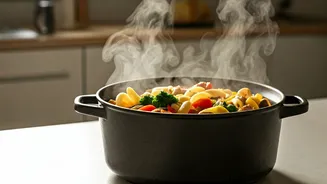
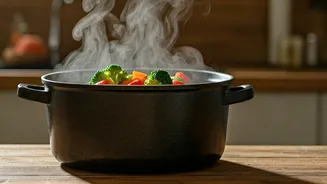
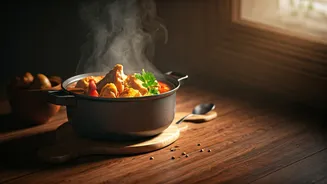
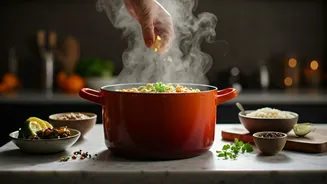
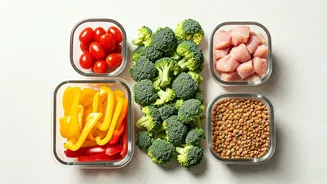
meal again is enough to make you order a pizza. The food trend every student actually needs is an evolution of this idea: component cooking. Think of it less like an assembly line and more like stocking your own personal, healthy deli bar. Instead of making five complete meals, you spend an hour or two on a Sunday preparing a few versatile ingredients—your “components.” These are the building blocks you can then mix and match to create different, interesting meals in minutes throughout the week. It’s the ultimate defense against food fatigue and last-minute takeout temptations.
Stocking Your Kitchen's 'Lego Set'
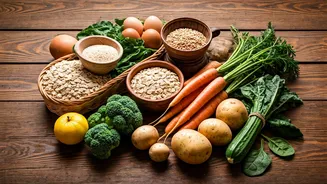
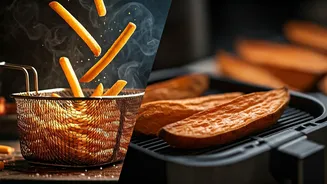
The magic of component cooking lies in its simplicity. You’re not following complex recipes; you’re just preparing a few key items that play well together. A great starting point includes four categories: **A Grain or Carb:** Cook a big batch of quinoa, brown rice, or pasta. You can also roast a tray of cubed sweet potatoes or regular potatoes. **A Versatile Protein:** Roast a whole chicken and shred the meat. Bake a tray of seasoned tofu or tempeh. Or, for the easiest option, rinse and drain a few cans of chickpeas or black beans. **A Go-To Vegetable:** Roasting is your best friend here. A big sheet pan of chopped broccoli, bell peppers, onions, or cauliflower with a little olive oil and salt is incredibly useful. You can also just wash and chop raw veggies like cucumbers and carrots for snacking or salads. **A Simple Sauce or Dressing:** Whisk together a basic vinaigrette (olive oil, vinegar, salt, pepper) in a jar. A lemon-tahini dressing or a yogurt-dill sauce also works wonders and can be made in five minutes.
The Real-World Savings
This approach is tailor-made for a student budget and schedule. First, the time savings are immense. That initial one or two hours of prep buys you back countless weeknights you would have spent cooking from scratch or waiting for delivery. When you get home tired and hungry, a satisfying meal is only five minutes away—the time it takes to assemble a bowl. Second, the financial benefits are undeniable. Buying ingredients like rice, beans, and seasonal vegetables in larger quantities is far cheaper than purchasing individual ready-made meals or ingredients for a single dinner. By consistently having delicious food ready to go, you drastically reduce your reliance on expensive and often unhealthy takeout. That $15 food delivery habit can quickly turn into an extra $100+ in your pocket each month.
A Week of Effortless Meals
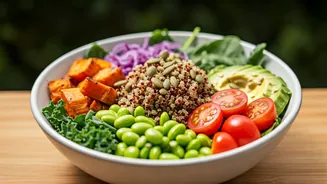
So what does this look like in practice? Let’s say you’ve prepped shredded chicken, quinoa, roasted broccoli, and a vinaigrette. Here’s how your week could unfold with minimal effort: **Monday:** A classic grain bowl. Combine the quinoa, chicken, and broccoli in a bowl and drizzle with your vinaigrette. **Tuesday:** Quick chicken tacos. Heat the chicken and serve it in tortillas (a pantry staple) with some shredded lettuce and maybe a little salsa. **Wednesday:** A loaded salad. Toss the chicken and roasted broccoli with a bag of mixed greens and your dressing for a hearty, filling salad. **Thursday:** A kitchen-sink stir-fry. Sauté the broccoli and chicken with some soy sauce and serve over your quinoa. Each meal feels fresh and different, yet it came from the same core set of ingredients you prepared once. You've outsmarted kitchen burnout.