
The Soul of the Valley: The River
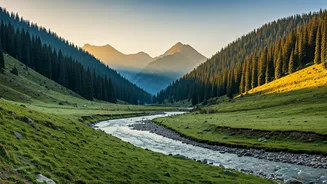
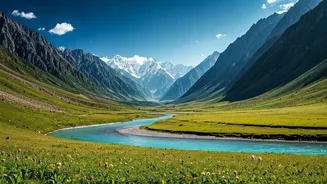
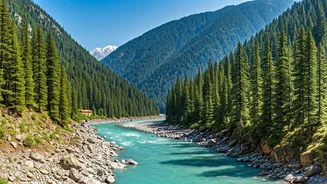
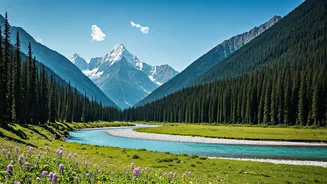
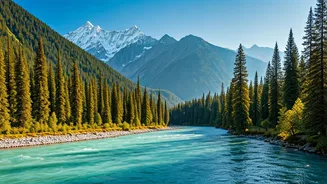
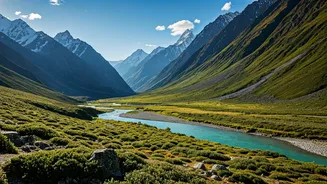
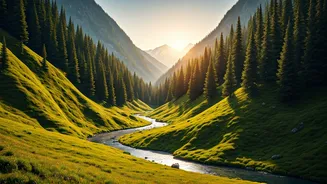
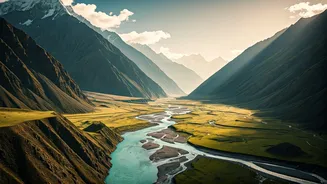
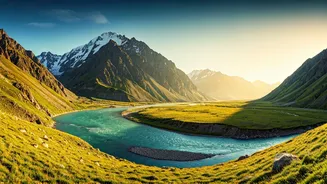
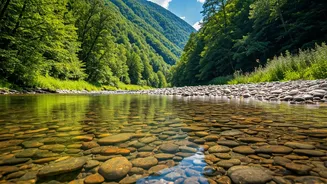
The Tirthan River isn't just a feature of the valley; it is the valley's lifeblood. This is not the wide, sluggish water many Americans are used to. Fed by glacial springs, the Tirthan runs with an almost supernatural clarity, its turquoise waters tumbling
over a bed of smooth, multi-colored stones. In an era where so many waterways are compromised, to see a river this pure is a moving experience. It’s the constant soundtrack to life here, a rushing whisper that soothes the mind. For visitors, the river offers more than just beauty. It's famous for its trout, introduced by the British in the early 20th century. Anglers can spend peaceful hours practicing catch-and-release, standing knee-deep in the cool current. For those less inclined to fish, simply finding a sunny boulder on its banks, dipping your feet in the icy water, and watching the day drift by is an activity in itself. The river connects the small, terraced villages and dictates the rhythm of the day.
A Path for Every Pace: The Trails
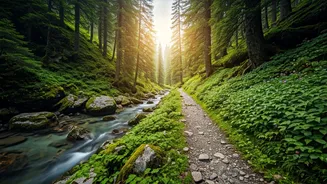
Tirthan Valley is the gateway to the Great Himalayan National Park, a UNESCO World Heritage site, and its network of trails is the key that unlocks it. These paths aren't just for hardcore trekkers aiming for punishing high-altitude passes, though those certainly exist. The real magic lies in the sheer variety of trails that cater to every level of ambition and fitness. You can spend an afternoon on a gentle, meandering path that follows the river, crossing charming wooden bridges and passing through small hamlets where you’ll be greeted with warm smiles. These walks are less about a destination and more about immersion—observing daily life, spotting vibrantly colored birds, and breathing in the clean mountain air. For the more adventurous, multi-day treks lead deep into the National Park's core, a protected zone teeming with elusive wildlife like the Himalayan blue sheep or even the snow leopard. Whether it’s a simple village-to-village walk or a challenging expedition, the trails are your invitation to explore the valley at human speed.
Whispers of the Woods: The Forests
Blanketing the steep slopes of the valley are dense forests of deodar cedar and pine. Stepping into these woods is like entering a cathedral of nature. Sunlight filters through the high canopy, illuminating patches of the forest floor, and the air is thick with the sharp, clean scent of pine resin. These are not manicured parks; they are ancient, living ecosystems. The deodar, considered a sacred tree in Hinduism, can live for a thousand years, and their towering presence lends a sense of timeless gravity to the landscape. Walking through these forests, you’ll find hidden waterfalls cascading down mossy cliffs and clearings filled with wildflowers in the spring and summer. The forests are a vital habitat for a rich diversity of fauna and a crucial part of the valley’s identity as an eco-zone. They are a place for quiet contemplation, a reminder of the power and resilience of the natural world when it is left to thrive.
The Human Element: Culture and Homestays
While its natural assets are the main draw, what makes Tirthan truly special is the seamless blend of nature and culture. The valley is dotted with villages built in the traditional Kath-Kuni style—stacking layers of wood and stone without mortar, an earthquake-resistant technique perfected over centuries. These aren't just architectural curiosities; they are living communities. The best way to experience this is by staying in one of the many family-run homestays. Instead of an impersonal hotel, you’re welcomed into a local family’s home, sharing simple, delicious meals cooked with ingredients from their own garden. It’s an authentic, sustainable form of tourism that directly supports the local economy and provides a connection that no five-star resort could ever offer. This gentle, welcoming human touch is the final ingredient that makes the Tirthan experience feel so complete.