




The Great Migration to the Mountains
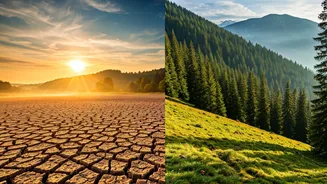
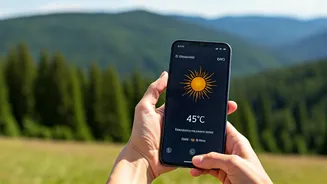
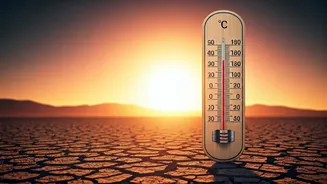
For decades, Indian tourism followed a predictable script: historical forts in Rajasthan, bustling markets in Delhi, or sunny beaches in Goa. But as India faces increasingly severe and prolonged heatwaves, with cities routinely topping 110°F (43°C), a massive
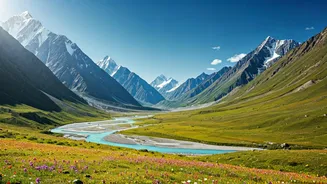
shift is underway. Young Indians, armed with disposable income and a desire for comfort, are flocking to what the travel industry calls “temperature-friendly” destinations. Travel platforms like MakeMyTrip have reported staggering year-over-year growth—sometimes over 60%—in searches and bookings for cooler locales. The beneficiaries are the Himalayan states of Himachal Pradesh and Uttarakhand, the serene landscapes of Kashmir, and the misty hills of the Northeast. Once considered off-the-beaten-path, towns like Manali, Shimla, and Nainital are now prime destinations, especially during the sweltering months from April to July.
More Than Just a Weather Report
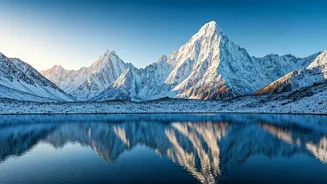
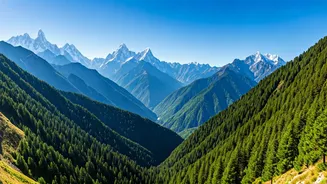
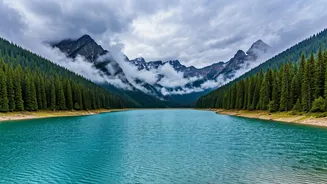
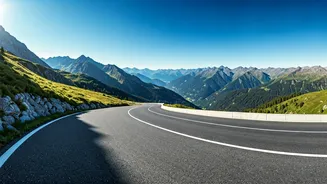
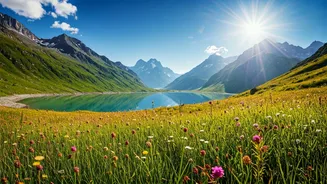
This trend isn’t just about the weather; it’s about a generational mindset. India’s young professionals—a demographic with growing financial independence—are blending work and leisure in new ways. The rise of remote and hybrid work models means a “workation” in a cool mountain cafe is no longer a fantasy. This generation is digitally native, making decisions based on Instagram aesthetics as much as travel guides. The visual appeal of snow-capped peaks, lush green valleys, and cozy cabin stays offers a powerful alternative to the crowded, sun-baked monuments of the past. It’s a move away from checklist tourism toward experiential travel, where the vibe and environment are the main attractions. They aren’t just escaping the heat; they’re curating a better, more comfortable, and highly shareable lifestyle.
Climate Change as a Travel Agent
At its core, this shift is a direct response to a changing climate. When major metropolitan areas like Delhi and Mumbai become nearly uninhabitable due to heat and pollution, a trip to the mountains transforms from a luxury into a necessity for well-being. This is climate adaptation in real-time, expressed through leisure. Young Indians are treating extreme heat not as a temporary inconvenience but as a permanent feature of their environment to be planned around. Travel companies have been quick to capitalize on this, marketing “heatwave getaways” and highlighting destinations where the average temperature remains pleasant. This reactive travel planning is creating new peak seasons and disrupting old ones, forcing the entire industry to rethink its calendar.
A Boom with Consequences
The explosion of interest in these cooler regions is a double-edged sword. For once-sleepy mountain towns, the influx of tourists brings a welcome economic boom. Homestays, cafes, and adventure sports operators are thriving. However, this rapid growth is straining local infrastructure. Hilly roads are choked with traffic, water resources are stretched thin, and waste management is becoming a critical issue. The phenomenon of “overtourism,” once associated with European capitals, is now a real concern in the fragile ecosystems of the Himalayas. While traditional hotspots might be losing summer crowds, these new destinations face the challenge of managing their newfound popularity sustainably. The very peace and natural beauty that travelers are seeking is at risk of being loved to death.