



An Unlikely, Perfect Pairing
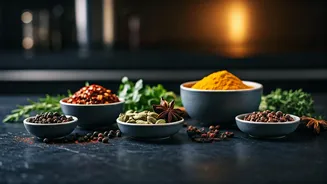
Walk down the international aisle of any well-stocked grocery store, and you’ll see two worlds of flavor. On one side, the building blocks of Indian cuisine: lentils, fragrant basmati rice, and a vibrant spectrum of spices like turmeric, cumin, and coriander.
A few feet away, you might find the staples of the Japanese pantry: nori, dashi, and tubs of fermented soybean paste, or miso. For generations, these ingredients existed in separate culinary universes. Now, innovative chefs and adventurous home cooks are crashing them together with delicious results. From miso-butter naan to dal fortified with a spoonful of the savory paste, this fusion isn't about novelty for novelty's sake. It's a culinary revelation built on a shared foundation of deep, satisfying flavor.
The Science of 'More-ishness'
So, why does this work so well? The answer is a single, powerful word: umami. Often called the fifth taste alongside sweet, sour, salty, and bitter, umami is the savory, mouth-filling, 'more-ish' quality that makes food deeply satisfying. It's the reason a good Parmesan cheese, a ripe tomato, or a slow-simmered broth tastes so complex and fulfilling. Miso is an umami bomb. As a fermented product, it is packed with the glutamates that trigger this sensation on our tongue. Indian cooking has its own traditions for building umami. The process of browning onions, garlic, and ginger, the slow simmering of lentils, and the addition of tomatoes are all techniques that develop deep, savory notes. By adding a spoonful of miso, cooks are essentially adding a concentrated, ready-made layer of that same complexity. It doesn't overwrite the classic Indian flavors; it amplifies them, making them taste even more like themselves.
Beyond the Dal Pot
While stirring miso into dal is the most common entry point, the applications are nearly endless. The salty, funky notes of miso are a brilliant counterpart to the richness of many Indian ingredients. Imagine a marinade for paneer or chicken skewers made with yogurt, spices, and a spoonful of white miso for an extra savory crust. Think about a finishing butter for grilled corn or roasted vegetables, whipped with red miso and a pinch of chili powder. It can add an unexpected depth to a creamy butter chicken, balancing the sweetness of the tomatoes and cream. The key is to see miso not as a Japanese ingredient, but as a universal flavor enhancer, much like a pinch of salt or a squeeze of lemon. It’s a secret weapon that adds a background hum of deliciousness without screaming for attention.
How to Get Started at Home
Bringing this trend into your own kitchen is surprisingly easy. You don't need to be a professional chef to get it right. Start with a tub of white (shiro) miso, which is milder, sweeter, and more versatile for beginners. The next time you're making dal, lentils, or a chickpea curry, let it simmer until it's nearly done. Then, take a small amount of the hot liquid out, stir a teaspoon or two of miso into it until it dissolves, and pour that mixture back into the pot. This prevents the miso from clumping and ensures its delicate probiotics aren't destroyed by boiling. For marinades, simply whisk a tablespoon of miso into your yogurt or oil base along with your other spices. Taste as you go—a little miso goes a long way, and you can always add more.