









The Furnace Before the Storm
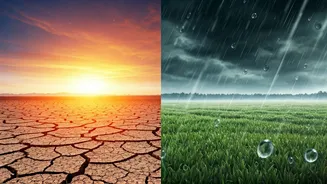
Before the magic, there is the ordeal. In cities like Delhi and across the vast plains of northern India, May and early June are a test of endurance. Temperatures soar past 110°F, turning concrete jungles into ovens. The air is thick with dust and a shimmering
heat haze that distorts the horizon. Life shifts to the cooler margins of the day. Streets that are normally a chaotic riot of traffic and people fall eerily quiet by mid-afternoon. Those who can, stay indoors, curtains drawn, fans and air conditioners working overtime. For millions, however, work must go on. Construction workers, street vendors, and farmers toil under a relentless sun, their resilience a quiet testament to the human spirit's capacity to adapt. This is the 'heat escape' season in spirit, if not in practice—a period of collective waiting, a nationwide prayer for the clouds to gather.
The Southern Awakening
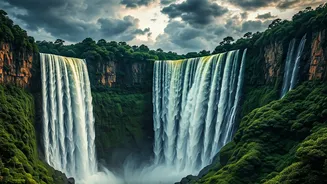
And then, it happens. Usually in late May or early June, the southwest monsoon makes landfall on the coast of Kerala, a state known as 'God's Own Country.' The arrival is not subtle; it's a dramatic, multi-sensory announcement. The sky, once a pale, hazy blue, darkens to a dramatic slate grey. The wind picks up, carrying the scent of the sea and damp earth. The first fat drops of rain are met with cheers, as children run out to greet the downpour. The sound of rain on parched soil is followed by an unforgettable perfume known as 'petrichor'—the smell of life returning. Within days, the landscape is transformed. Dust-caked leaves turn a vibrant, glossy green. Waterfalls that were mere trickles become roaring torrents. This is the 'monsoon magic' in its purest form—a profound, almost spiritual relief that washes over the land.
A Season of Chai and Romance
As the monsoon progresses northward over the weeks, it changes more than just the scenery; it changes the national mood. The season is deeply embedded in Indian culture, celebrated in poetry, film, and song for centuries. It’s a time for romance, for sitting on a veranda with a hot cup of chai and a plate of crispy, fried pakoras while watching the downpour. Roadside stalls pop up selling roasted corn on the cob, another monsoon staple. In Bollywood, a sudden rainstorm is a classic trope for a pivotal, romantic scene. The rains dictate agricultural cycles, replenishing the rivers and reservoirs that sustain over a billion people. While the deluges can bring challenges like flooding and traffic chaos, the overwhelming sentiment is one of gratitude and joy. The monsoon is not just weather; it's the subcontinent’s lifeblood.
The Great Escape to the Hills
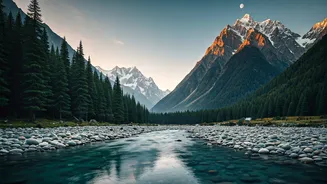
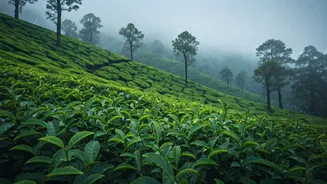
While the south welcomes the rain, those still sweltering in the north look for a different kind of relief. This is where the 'heat escape' becomes literal. For those who can afford it, the pre-monsoon months trigger a mass exodus to India’s hill stations—cool, breezy mountain towns, many of which were established by the British as summer retreats from the oppressive heat of the plains. Places like Shimla, Manali, and Darjeeling in the Himalayas, or Ooty in the south, see a surge in visitors. Families decamp from the cities for cooler climes, trading blistering heat for crisp mountain air, pine forests, and stunning vistas. These towns become bustling hubs of activity, offering a temporary reprieve for those fleeing the furnace below. It's a parallel narrative: while one part of the country finds magic in the rain, another finds salvation in elevation.